Beef Antitrust Settlement for Utah Residents: How to Claim
Last updated May 05, 2026 · By Class Action Buddy
📋 FILE THIS CLAIM
Fastest way: Class Action Buddy is a free app that auto-fills the form in 60 seconds.
Or file directly with the administrator at overchargedforbeef.com.
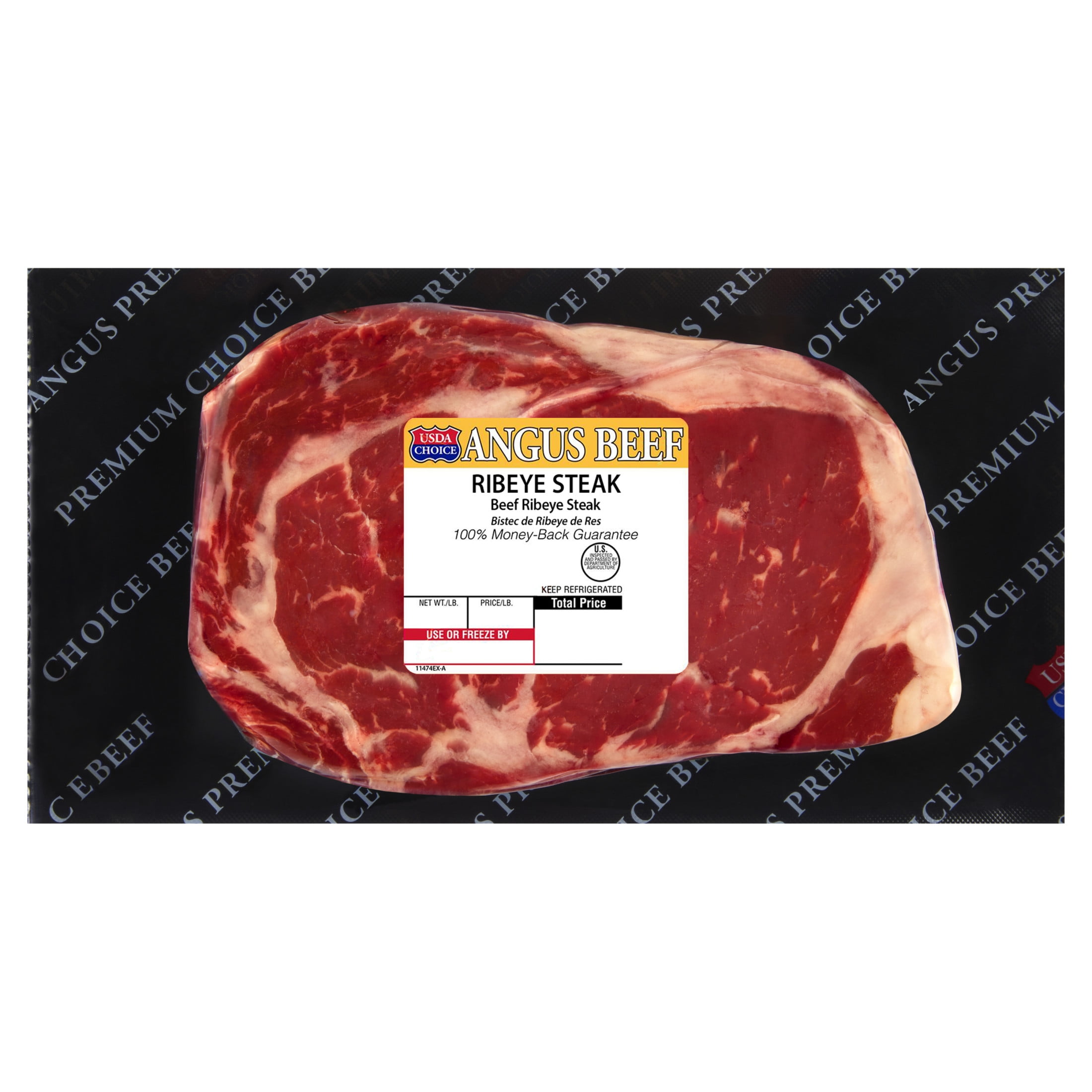
Yes, Utah residents qualify for the Beef Antitrust settlement and can claim up to $200 per household for beef purchases made between 2015 and 2020. This class action lawsuit alleges that major beef producers JBS, Tyson, Cargill, and National Beef conspired to fix prices, artificially inflating what Utah families paid for beef products.
The settlement covers a wide range of beef purchases, from ground beef at grocery stores to steaks at restaurants. Utah residents have until June 30, 2026, to submit their claims, giving plenty of time to gather receipts or estimate purchases.
What makes this settlement particularly convenient is the modern payment method – approved claims will be paid directly via Venmo, eliminating the traditional wait for paper checks. The claims process is straightforward and doesn't require extensive documentation for smaller purchase amounts.
If you're a Utah resident who bought beef products during the specified timeframe, you're likely eligible for compensation. Even without receipts, you can submit a claim based on reasonable estimates of your household's beef purchases during the five-year period when the alleged price-fixing occurred.
Why Utah Made the Eligible List
Utah is included in this beef antitrust settlement due to the state's strong consumer protection framework and the geographic scope of the alleged price manipulation. The four major beef processors named in the lawsuit – JBS, Tyson, Cargill, and National Beef – control a significant portion of the national beef market, affecting pricing across multiple states including Utah.
Utah's inclusion likely stems from the state's consumer protection statutes that allow residents to seek damages when companies engage in anti-competitive practices that harm consumers. The Utah Consumer Sales Practices Act provides a legal foundation for residents to participate in class action settlements involving price-fixing schemes.
Additionally, Utah's position in the western United States places it within the distribution networks of these major beef processors. The alleged collusion from 2015-2020 would have directly impacted Utah grocery stores, restaurants, and ultimately consumers who purchased beef products throughout the state.
The technical aspects of class action law, including statute of limitations considerations and where the original lawsuit was filed, also influence which states are included in settlement agreements like this one.
Eligibility for Utah Residents
Utah residents are eligible for the Beef Antitrust settlement if they purchased beef products between 2015 and 2020 from retailers, restaurants, or other establishments within the state. This includes a broad range of beef products such as ground beef, steaks, roasts, processed beef items, and beef served at restaurants and food service establishments.
The settlement covers both direct and indirect purchases, meaning you're eligible whether you bought beef at grocery stores like Smith's, Walmart, or local butcher shops, or consumed beef at restaurants throughout Utah. There's no minimum purchase requirement, and you don't need to have saved receipts for every transaction.
Eligible households can claim up to $200 without providing detailed documentation. The settlement administrators understand that most consumers don't keep grocery receipts for years, so reasonable estimates of beef purchases are acceptable for claims.
However, there are some exclusions to be aware of. Purchases made outside of Utah during the timeframe don't qualify, and the settlement specifically covers the period from 2015 to 2020. Business purchases for resale may have different requirements or limitations compared to household consumer purchases.
How to File from Utah
Filing a claim as a Utah resident is straightforward and can be completed online through the official settlement website. The process typically requires basic information such as your name, address, and an estimate of your household's beef purchases during the 2015-2020 period.
For the fastest filing experience, Utah residents can use Class Action Buddy, which auto-fills the settlement form in approximately 60 seconds. This service streamlines the process by guiding you through the necessary information and helping calculate reasonable purchase estimates based on household size and typical consumption patterns.
One of the most convenient aspects of this settlement is the payment method. Unlike traditional class action settlements that issue paper checks months later, approved claims will be paid directly through Venmo. This means faster payment processing and immediate access to your settlement funds once your claim is approved.
Make sure to file before the June 30, 2026 deadline. While that seems far away, it's better to submit your claim early to avoid any potential issues or last-minute website traffic that could delay submission.
Frequently Asked Questions
Do I need receipts to file a claim as a Utah resident?
No, receipts are not required for claims up to $200. You can submit a reasonable estimate of your household's beef purchases in Utah between 2015-2020 based on your family size and typical consumption.
Does beef purchased at Utah restaurants count toward my claim?
Yes, beef consumed at restaurants, cafeterias, and other food service establishments in Utah during the 2015-2020 period is covered by the settlement and counts toward your claim amount.
How will I receive my settlement payment as a Utah resident?
Settlement payments will be made via Venmo, which is faster than traditional paper checks. You'll need a valid Venmo account to receive your payment once your claim is approved.
Can I file a claim if I lived in Utah for only part of the 2015-2020 period?
Yes, you can file for the portion of time you lived in Utah and made beef purchases within the state. Your claim should only include purchases made while you were a Utah resident during the eligible timeframe.
Utah residents have a valuable opportunity to recover money spent on overpriced beef products due to alleged industry collusion. With up to $200 available per household and a generous deadline of June 30, 2026, there's ample time to file your claim.
The streamlined process, combined with Venmo payments and no receipt requirements, makes this one of the more accessible class action settlements in recent years. Whether you're estimating grocery store purchases or restaurant meals, your beef consumption during 2015-2020 likely qualifies for compensation.
Don't let this opportunity pass by – file your claim today and join thousands of other Utah residents seeking fair compensation for the alleged price-fixing that affected beef markets across the state.

Related guides
Hand-picked from our settlement library to give you the full picture.