Biometric Privacy Class Action Lawsuits
Last updated April 29, 2026 · By Class Action Buddy
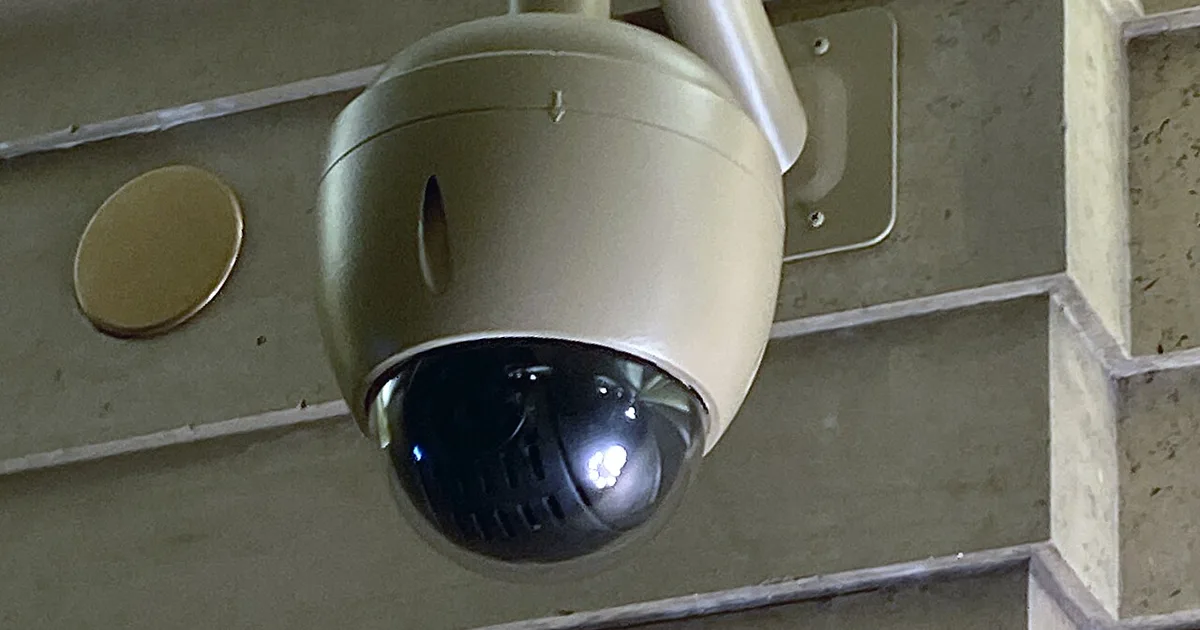
Biometric privacy class action lawsuits arise when companies collect, store, or use individuals' biometric identifiers—such as fingerprints, facial geometry, voiceprints, or retina scans—without proper consent or disclosure. These cases primarily stem from violations of state biometric privacy laws, most notably Illinois' Biometric Information Privacy Act (BIPA), which provides statutory damages and attorney fees for violations.
The significance of these lawsuits extends beyond individual privacy rights to broader concerns about corporate data collection practices in an increasingly digital world. As facial recognition technology becomes ubiquitous in social media, retail establishments, and workplace environments, the potential for unauthorized biometric data collection grows exponentially.
These lawsuits affect millions of consumers who may unknowingly have their biometric data collected through everyday activities like using social media platforms, shopping at stores with facial recognition systems, or using fingerprint scanners for timekeeping at work. The settlements can range from millions to hundreds of millions of dollars, making them among the most valuable privacy-related class actions available to consumers.
History and Legal Background
Illinois enacted the Biometric Information Privacy Act in 2008, becoming the first state to create a comprehensive framework for biometric data protection. The law requires companies to obtain written consent before collecting biometric identifiers and establishes statutory damages of $1,000-$5,000 per violation, creating a powerful enforcement mechanism for plaintiffs' attorneys.
The first major BIPA case gained traction in 2015 with Rosenbach v. Six Flags Entertainment Corp., where a mother sued after the amusement park scanned her son's fingerprint without proper consent. The Illinois Supreme Court ruled in 2019 that no actual injury was required to bring a BIPA claim, opening the floodgates for lawsuits.
Texas and Washington subsequently passed their own biometric privacy laws, though neither provides the private right of action that makes Illinois' law so potent for class action litigation. The Facebook facial recognition settlement in 2020 for $650 million demonstrated the massive financial exposure companies face under these statutes, fundamentally changing how businesses approach biometric data collection and retention practices.
Notable Cases and Settlements
Facebook/Meta BIPA Settlement (2020) — $650 million settlement Facebook's facial recognition technology violated BIPA by scanning users' faces in photos without proper consent.
TikTok Biometric Privacy Settlement (2021) — $92 million settlement TikTok allegedly collected biometric identifiers and biometric information from users without adequate disclosure or consent.
Snapchat Biometric Privacy Settlement (2022) — $35 million settlement Snapchat's filters and lenses allegedly collected users' biometric data through facial recognition technology without BIPA compliance.
Clearview AI Settlement (2022) — $9 million settlement The facial recognition company settled claims over scraping billions of photos from social media to build its database.
White Castle BIPA Settlement (2023) — $17 million settlement The restaurant chain's fingerprint timekeeping system for employees violated BIPA's consent and disclosure requirements.
Shutterfly BIPA Settlement (2021) — $6.8 million settlement The photo service allegedly used facial recognition technology to identify people in uploaded photos without proper consent.
Who Is Eligible to Claim?
Eligibility for biometric privacy class actions typically requires proving that a company collected, captured, purchased, or otherwise obtained your biometric identifiers or biometric information within the relevant statute's geographic jurisdiction. For BIPA cases, you must demonstrate the collection occurred while you were an Illinois resident, regardless of where the company is headquartered.
The most common qualifying activities include having your photo tagged on social media platforms, using fingerprint scanners at work or retail locations, participating in facial recognition systems at stores or venues, or using mobile apps with biometric features like filters or voice recognition. You generally don't need to prove actual harm or damages, as statutory violations alone can establish standing under laws like BIPA.
Documentation requirements are typically minimal—you need evidence of using the service or being in the location where biometric collection occurred during the specified time period. This could include employment records, social media account history, purchase receipts, or simply credible testimony about your interaction with the defendant's biometric systems.
How to File a Claim
Most biometric privacy class actions are filed as opt-out classes, meaning eligible individuals are automatically included unless they choose to exclude themselves. When settlements are reached, class members typically receive notice via email, mail, or publication, detailing how to submit claims for compensation.
The claim filing process usually requires basic personal information, confirmation of your residence during the relevant period, and attestation that you used the defendant's services or encountered their biometric collection systems. Class Action Buddy can auto-fill these forms in 60 seconds, streamlining the often tedious claim submission process and ensuring you don't miss critical deadlines.
Key tips include saving confirmation emails from claim submissions, monitoring settlement websites for updates, and responding promptly to any requests for additional documentation. Many settlements have relatively short claim periods, so acting quickly is essential to secure your portion of the settlement fund.
Frequently Asked Questions
Do I need to prove my biometric data was actually stored or misused?
No, under laws like BIPA, simply collecting biometric identifiers without proper consent constitutes a violation regardless of how the data was subsequently used or stored. The act of collection itself triggers statutory damages.
Can I participate if I'm no longer a resident of Illinois but was when the violation occurred?
Yes, BIPA eligibility is typically based on where you resided when the biometric collection took place, not your current residence. Former Illinois residents can often participate in BIPA class actions.
What types of damages can I recover in biometric privacy cases?
BIPA provides statutory damages of $1,000 for negligent violations and $5,000 for intentional or reckless violations, plus attorney fees. Settlement amounts vary widely but have ranged from hundreds to thousands of dollars per class member.
How long do companies have to delete biometric data under these laws?
BIPA requires deletion when the initial purpose for collection is satisfied or within three years of the last interaction, whichever comes first. Companies must also publish retention schedules and deletion guidelines.
Are there time limits for filing biometric privacy claims?
BIPA claims must be filed within five years of the violation under Illinois' statute of limitations. However, some courts have ruled that each day of retention constitutes a separate violation, potentially extending the limitations period.
Biometric privacy class action lawsuits represent one of the fastest-growing areas of consumer protection litigation, with settlements reaching unprecedented amounts as courts recognize the fundamental importance of biometric data protection. As technology companies increasingly integrate facial recognition, fingerprint scanning, and voice analysis into everyday products and services, the potential for violations—and resulting settlements—continues to expand.
Class Action Buddy helps you stay informed about these valuable settlements and automatically fills out claim forms in 60 seconds, ensuring you don't miss opportunities to recover compensation for privacy violations.

Related guides
Hand-picked from our settlement library to give you the full picture.