False Advertising Class Action Settlements for Moms
Last updated April 30, 2026 · By Class Action Buddy
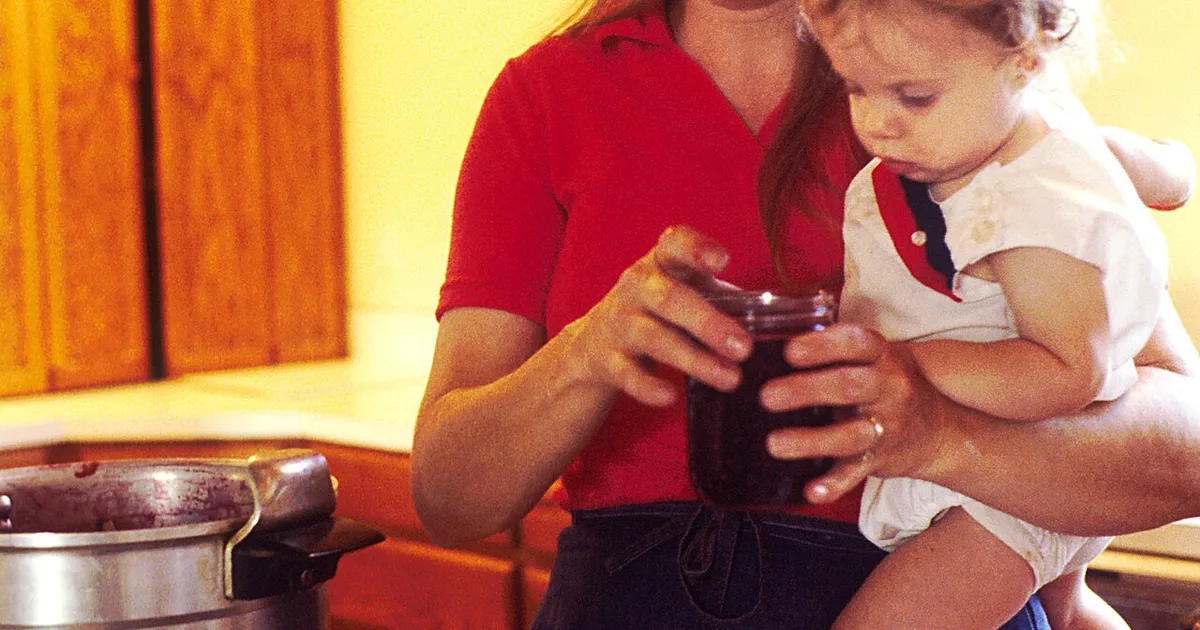
As a mom, you make countless purchasing decisions for your family every week – from baby formula and diapers to household cleaners and kids' snacks. When companies make false claims about their products, they're not just breaking the law; they're betraying the trust of parents who rely on accurate information to keep their families safe and healthy.
False advertising class action settlements can put money back in your pocket when companies mislead consumers. These cases are particularly relevant for moms because many involve products specifically marketed to families and children.
Take the recent Similac formula settlement that paid eligible parents up to $300 for misleading claims about brain development benefits. Or consider the multiple class actions against baby food companies for failing to disclose heavy metal contamination. These settlements exist because courts recognize that false advertising causes real financial harm to consumers who relied on deceptive marketing when making purchases.
When companies lie about their products, moms shouldn't have to bear the financial burden alone.
Why False Advertising Cases Affect Moms
Moms are disproportionately targeted by false advertising because they make approximately 80% of household purchasing decisions and often prioritize their family's health and safety over price. Companies know this and frequently make exaggerated claims about products being "natural," "organic," "non-toxic," or "clinically proven" to appeal to health-conscious parents.
False advertising cases that specifically impact moms often involve baby products, children's foods, household cleaners, and personal care items. These products command premium prices based on health and safety claims that may be misleading or entirely false.
Recent settlements have involved everything from "all-natural" baby wipes containing synthetic ingredients to children's vitamins with inflated nutritional claims. When you pay extra for products based on false promises, class action settlements can help recover those premium costs while holding companies accountable for their deceptive practices.
Notable False Advertising Settlements
Enfamil Formula (2022) — $60 million settlement Parents who purchased certain Enfamil products received up to $300 for misleading brain development claims.
Honest Company Products (2017) — $7.35 million settlement Customers received refunds for products falsely marketed as "natural" and "plant-based" that contained synthetic chemicals.
Gerber Baby Food (2019) — $40 million settlement Parents received compensation for baby foods marketed as nutritious despite containing heavy metals and lacking disclosed nutrients.
Johnson's Baby Powder (2020) — $100 million settlement Families received payments for products marketed as safe despite potential asbestos contamination concerns.
Happy Baby Organics (2021) — $4 million settlement Parents got refunds for organic baby food products that allegedly contained heavy metals above safe levels.
Beech-Nut Baby Food (2022) — $7.5 million settlement Compensation for baby foods marketed as healthy despite heavy metal contamination issues.
Eligibility for Moms
Most false advertising class action settlements require proof of purchase, but many accept alternative forms of evidence that moms commonly have. Store loyalty card records, bank statements showing purchases at specific retailers, and even sworn affidavits can often qualify you for compensation.
The key eligibility factor is typically purchasing the specific product during the defined class period – usually spanning several years. You don't need to prove you were personally deceived by the advertising, just that you bought the product when the false claims were being made.
Many settlements offer different payment tiers: higher amounts with proof of purchase receipts, and smaller payments with alternative proof or sworn statements. Some settlements specifically include subscription purchases, auto-delivery orders, and bulk purchases that moms commonly make through warehouse stores or online retailers.
How to File
Filing a false advertising class action claim is typically straightforward, but gathering the required information can be time-consuming. Most claims require basic personal information, purchase details including dates and locations, and proof of purchase when available.
The traditional process involves visiting settlement websites, reading lengthy legal documents, and manually filling out forms that can take 30-45 minutes per claim. You'll need to provide details about when and where you purchased products, how much you spent, and sometimes answer questions about your purchasing habits.
Class Action Buddy streamlines this entire process by auto-filling settlement forms in just 60 seconds. The platform tracks active settlements, determines your eligibility, and completes the paperwork using information you provide once. This is especially valuable for busy moms who may be eligible for multiple settlements but lack time to file individual claims.
Instead of spending hours researching and filing claims manually, Class Action Buddy handles the tedious paperwork so you can focus on your family while still recovering money from false advertising settlements.
Frequently Asked Questions
Do I need receipts to claim false advertising settlements as a mom?
Not always. Many settlements accept bank statements, store loyalty card records, photos of products in your home, or sworn affidavits. Some offer smaller payments without proof of purchase.
Can I file claims for baby products I bought years ago?
Yes, if the purchase occurred during the class period specified in the settlement. Class periods often span 3-7 years, and many baby product settlements cover extended timeframes.
What if I bought products with coupons, during sales, or using store rewards?
You can still file claims regardless of discounts used. Most settlements base payments on the actual amount you paid, not the original retail price.
Are subscription or auto-delivery purchases eligible for false advertising settlements?
Yes, recurring purchases are typically eligible and may actually increase your settlement amount since they demonstrate consistent purchasing of the falsely advertised product.
How long does it take to receive money from false advertising class action settlements?
Most settlements pay within 6-12 months after the filing deadline. You'll receive updates about payment timing, and funds are typically distributed via check or electronic payment.
False advertising class action settlements offer moms a meaningful way to recover money spent on products that didn't live up to their marketing promises. With Class Action Buddy's automated filing system, you can pursue these claims without the time investment that typically prevents busy parents from participating.
Don't let companies profit from misleading marketing at your family's expense. Class Action Buddy makes it simple to hold corporations accountable while putting money back in your household budget where it belongs.

Related guides
Hand-picked from our settlement library to give you the full picture.