Food Mislabeling Class Action Lawsuits
Last updated April 29, 2026 · By Class Action Buddy
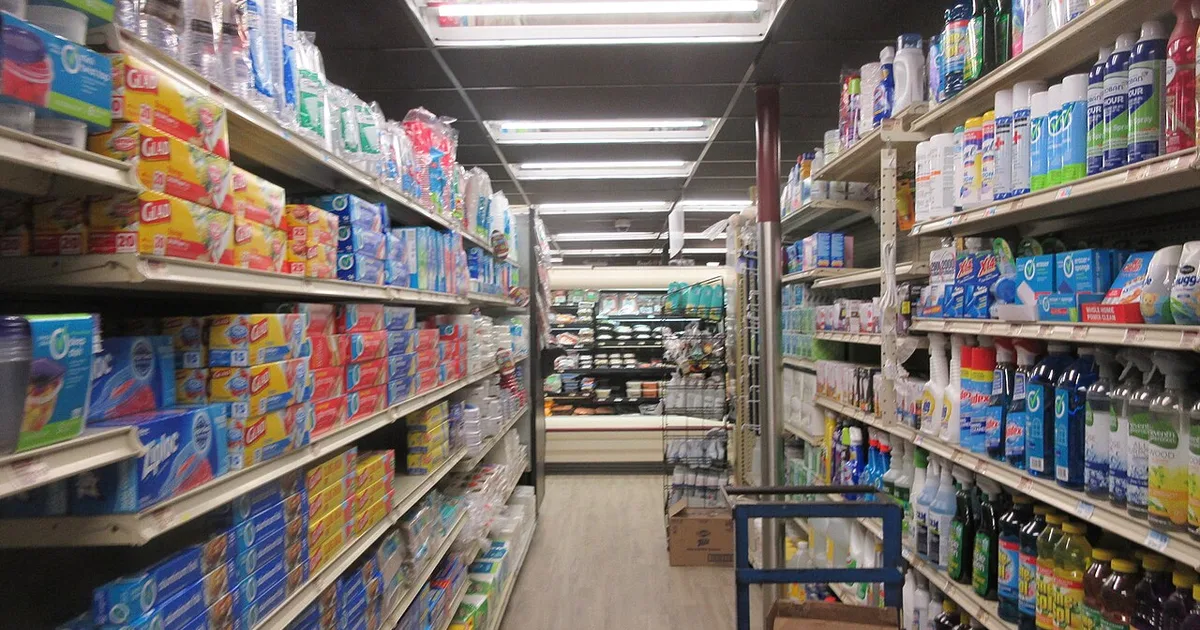
Food mislabeling class action lawsuits target manufacturers who make false or misleading claims about their products' ingredients, nutritional content, or production methods. These cases typically involve deceptive marketing terms like "natural," "organic," "healthy," or "non-GMO" when products don't meet the legal standards for such claims.
The FDA, USDA, and state agencies regulate food labeling, but enforcement gaps allow misleading products to reach consumers. When companies violate labeling laws, affected consumers can band together in class action lawsuits to seek compensation and force corrective labeling practices.
These lawsuits matter because they protect consumer trust in the food supply and ensure companies cannot profit from deceptive marketing. They affect millions of consumers who rely on accurate labeling to make informed purchasing decisions based on health, dietary, environmental, or ethical concerns. Settlement amounts often reflect the widespread nature of consumer harm from mislabeled products.
History and Legal Background
Food labeling litigation gained momentum following the Nutrition Labeling and Education Act of 1990, which established FDA authority over health claims. Early cases in the 2000s focused on basic nutritional misrepresentations and false health benefits.
The organic food boom of the 2000s created new litigation opportunities as the USDA's National Organic Program (2002) established strict certification requirements. Cases like *In re General Mills Kix Cereal Litigation* (2012) addressed "natural" claims on processed foods, establishing that synthetic ingredients preclude "natural" labeling.
The 2010s saw explosive growth in food mislabeling class actions as consumer awareness increased. Notable developments included challenges to "natural" claims on products containing GMOs, synthetic ingredients, or pesticide residues. The *Hampton Creek Just Mayo* litigation (2014-2015) highlighted FDA enforcement of standardized food names, while numerous "natural" cases against major brands like Coca-Cola, PepsiCo, and General Mills created substantial precedent for consumer protection in food marketing.
Notable Cases and Settlements
Wesson Oil "Natural" Claims (2020) — $3 million settlement Richardson International settled claims that calling their vegetable oils "natural" was misleading when products contained GMO ingredients.
Bear Naked Granola "Natural" (2019) — $1.87 million settlement Kellogg resolved allegations that Bear Naked products labeled "natural" contained synthetic and artificial ingredients including synthetic vitamins.
Blue Diamond Almond Breeze "Natural" (2018) — $1.25 million settlement Blue Diamond settled claims that almond milk products labeled "natural" contained carrageenan and other processed ingredients.
Truvia "Natural" Sweetener (2016) — $5.35 million settlement Cargill settled allegations that Truvia sweetener was misleadingly marketed as "natural" when it contained highly processed erythritol and synthetic flavors.
Naked Juice "Natural" Claims (2013) — $9 million settlement PepsiCo resolved claims that Naked Juice products contained synthetic ingredients despite "All Natural" labeling and "Nothing But" marketing campaigns.
Who Is Eligible to Claim?
Class members typically must have purchased the mislabeled product during a specific time period, usually spanning several years before the lawsuit filing. Geographic restrictions often limit eligibility to residents of certain states where the lawsuit was filed or where specific consumer protection laws apply.
Proof requirements vary by case but generally require evidence of purchase such as receipts, credit card statements, or store loyalty card records. Some settlements accept sworn declarations for small purchases when documentation is unavailable, though documented purchases typically receive higher compensation.
Eligibility often excludes wholesale purchasers, retailers, and employees of the defendant company or their families. Some cases require that class members purchased products primarily for personal or household use, not commercial resale. The specific mislabeling claims determine additional criteria—for example, "organic" cases may require purchases of products specifically marketed with organic claims rather than the manufacturer's entire product line.
How to File a Claim
Filing claims in food mislabeling settlements typically involves completing online forms or mailing paper submissions before court-imposed deadlines. Required information usually includes personal details, purchase timeframes, and product identification. Class Action Buddy can auto-fill these forms in 60 seconds, streamlining the often complex submission process.
Documentation strengthens claims significantly. Save receipts, photograph product labels, and maintain records of store loyalty cards that track purchases. Even without perfect documentation, many settlements accept reasonable estimates of purchase quantities and timeframes under penalty of perjury.
Monitor settlement websites for specific requirements, as each case has unique procedures and deadlines. Some settlements require minimal information while others demand detailed purchase histories. Submit claims promptly after settlements receive court approval, as late submissions are typically rejected regardless of merit. Consider photographing misleading labels on products you currently purchase, as these cases often take years to develop and resolve.
Frequently Asked Questions
How much compensation can I expect from a food mislabeling settlement?
Compensation varies widely based on settlement size, number of claimants, and purchase documentation. Typical payments range from $5-50 per household, though well-documented claims in smaller classes may receive $100 or more.
Do I need receipts to participate in food mislabeling class actions?
Receipts help but aren't always required. Many settlements accept sworn statements about purchase timeframes and quantities when documentation is unavailable. However, documented purchases typically receive higher compensation than undocumented claims.
How long do these lawsuits typically take to resolve?
Food mislabeling class actions usually take 2-4 years from filing to final settlement approval. Complex cases involving multiple products or technical labeling issues may take longer, while some settle quickly if the mislabeling is clear-cut.
Can I still buy the product while participating in the lawsuit?
Yes, participating in a class action doesn't restrict your purchasing decisions. However, compensation typically only covers purchases made during the specific class period defined in the lawsuit, not future purchases.
What happens to companies after food mislabeling settlements?
Companies typically must change their labeling practices and may face ongoing monitoring. They often reformulate products or modify marketing claims to comply with settlement terms, though they rarely admit wrongdoing as part of settlement agreements.
Food mislabeling class actions provide crucial accountability for deceptive marketing practices while compensating affected consumers. These cases continue evolving as new labeling trends emerge and regulatory standards develop.
Staying informed about active settlements ensures you don't miss compensation opportunities for products you've purchased. Class Action Buddy tracks food mislabeling settlements automatically, alerting you to relevant cases and helping you file claims quickly when settlements become available.

Related guides
Hand-picked from our settlement library to give you the full picture.