T-Mobile False Advertising Class Action Lawsuits
Last updated April 30, 2026 · By Class Action Buddy
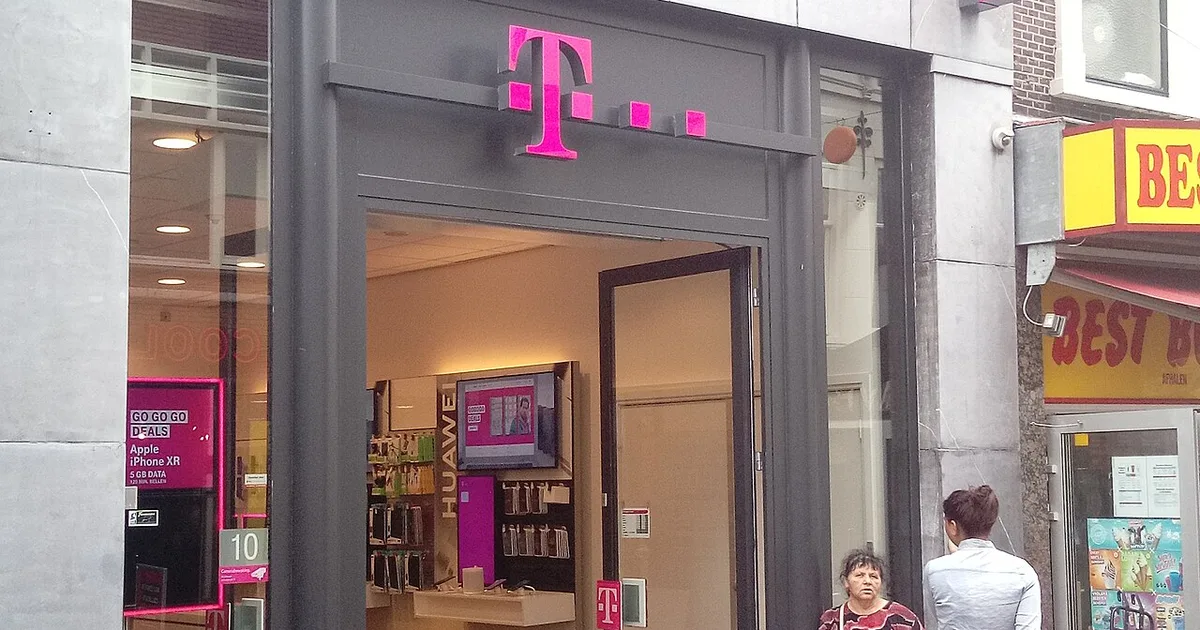
T-Mobile, one of the nation's largest wireless carriers, has faced scrutiny over various business practices throughout its history. While the company markets itself as the "Un-carrier" that breaks industry norms, consumers have occasionally challenged T-Mobile's advertising claims through legal action.
False advertising class action lawsuits against major telecommunications companies are relatively common, as these firms make numerous claims about network coverage, speeds, pricing, and service quality. T-Mobile has dealt with several consumer protection issues and regulatory challenges over the years.
However, major false advertising class actions specifically targeting T-Mobile are less prevalent compared to other types of consumer lawsuits the company has faced, such as data breach settlements or billing disputes. Most advertising-related concerns have been addressed through regulatory actions rather than large-scale class action settlements.
Notable T-Mobile False Advertising Cases
Sprint/T-Mobile Merger Litigation (2019-2020) — Various consumer protection concerns State attorneys general challenged merger claims about maintaining competition and pricing, though this was regulatory rather than a traditional false advertising class action.
General Telecom False Advertising Patterns — Varying settlements Major carriers including T-Mobile have faced FTC and FCC enforcement actions over misleading "unlimited" data claims and coverage map accuracy.
Data Speed Claims Investigations — Ongoing regulatory oversight Wireless carriers periodically face scrutiny over network speed advertisements and coverage claims, typically resolved through regulatory compliance rather than class action settlements.
Who Is Eligible to Claim?
Customers who might qualify for T-Mobile false advertising settlements would typically include those who experienced significant discrepancies between advertised services and actual service delivery. This could involve misleading claims about network coverage in specific areas, data speeds that consistently underperformed advertised rates, or promotional pricing that included undisclosed fees or restrictions.
Eligibility often requires documentation showing you were a T-Mobile customer during specific timeframes and experienced the advertised service issues. Class members usually need to demonstrate they relied on the allegedly false advertisements when making their purchasing decisions. Geographic restrictions may apply based on where the misleading advertising occurred or where affected services were provided.
How to File a Claim
If T-Mobile false advertising class actions arise, affected customers typically don't need to actively "file" to join most class action settlements. Once a settlement is approved, eligible class members usually receive notification by mail, email, or text message with instructions for claiming compensation.
The claims process generally involves submitting proof of eligibility, such as account records showing T-Mobile service during relevant periods. Required documentation might include billing statements, service contracts, or evidence of the advertising claims you relied upon.
Class Action Buddy can streamline this process by automatically filling out settlement claim forms in approximately 60 seconds. The platform tracks active settlements and helps users quickly submit required information, ensuring you don't miss important deadlines for compensation you may be entitled to receive.
Frequently Asked Questions
Has T-Mobile faced major false advertising class action settlements?
While T-Mobile has faced various consumer protection challenges and regulatory actions, large-scale false advertising class action settlements specifically against T-Mobile are not widely documented. Most advertising-related issues have been addressed through FCC or FTC regulatory enforcement.
What types of false advertising claims could affect T-Mobile customers?
Common telecom false advertising issues include misleading coverage maps, exaggerated data speeds, hidden fees in promotional pricing, and unclear terms for 'unlimited' data plans. These issues could potentially lead to class action litigation if widespread enough.
How would I know if I'm eligible for a T-Mobile advertising settlement?
Class action notices are typically sent to affected customers via mail, email, or text. Eligibility usually requires being a T-Mobile customer during specific periods and experiencing the advertised service issues that form the basis of the lawsuit.
Do I need a lawyer to join a T-Mobile class action?
No, joining most class action settlements doesn't require hiring your own attorney. Class counsel represents all members, and you typically just need to submit a claim form with required documentation to receive compensation.
While T-Mobile hasn't faced major false advertising class action settlements to date, the telecommunications industry regularly sees consumer protection challenges. Staying informed about potential settlements ensures you don't miss compensation opportunities. Class Action Buddy automatically tracks settlement developments and helps you quickly file claims when eligible. Sign up today to monitor T-Mobile and other class action settlements that might affect you.

Related guides
Hand-picked from our settlement library to give you the full picture.