Food & Beverage Class Action Lawsuits in Illinois
Last updated April 30, 2026 · By Class Action Buddy
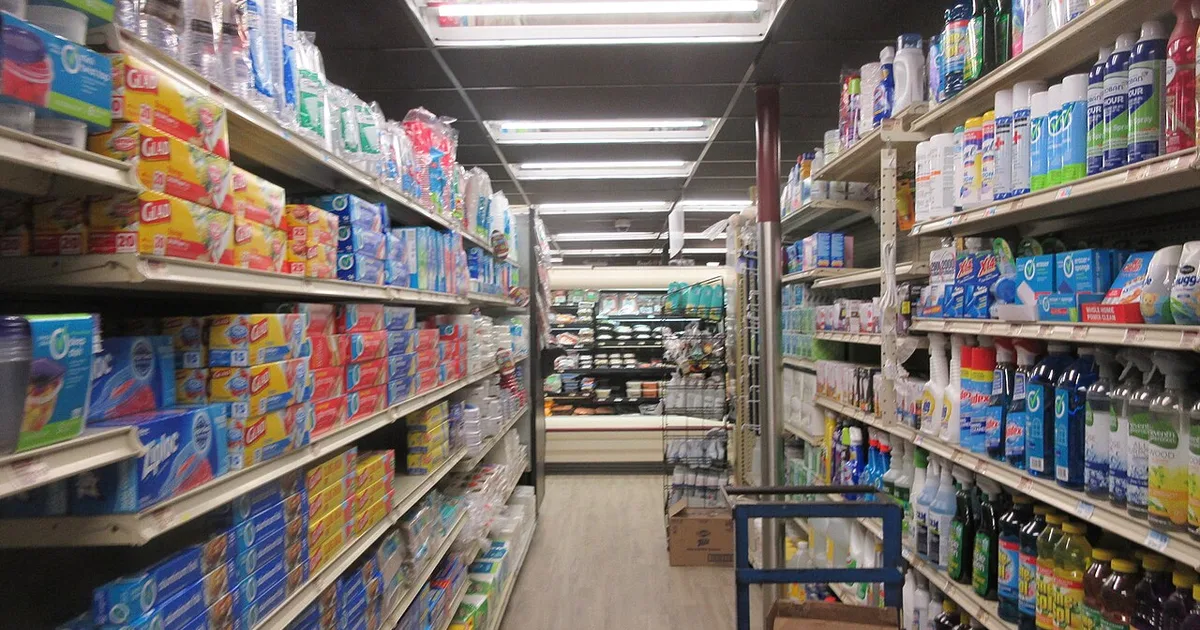
Food and beverage class action lawsuits in Illinois arise when companies engage in deceptive marketing practices, mislabel products, or sell contaminated items that harm consumers. These cases typically involve misleading claims about ingredients, nutritional content, or health benefits that violate consumer protection laws.
Illinois residents are frequently affected by nationwide food labeling disputes, product recalls due to contamination, and false advertising claims. Common issues include products marketed as "natural" or "organic" that contain synthetic ingredients, undisclosed allergens, or misleading serving size information.
These lawsuits seek compensation for consumers who purchased products based on false or misleading representations. They also aim to force companies to change their labeling practices and marketing strategies. Illinois residents who bought affected products within the statute of limitations period may be entitled to monetary compensation, product vouchers, or other relief through class action settlements.
Illinois Law on Food & Beverage Cases
Illinois consumer protection law provides robust protections for residents affected by deceptive food and beverage marketing. The Illinois Consumer Fraud and Deceptive Business Practices Act (815 ILCS 505/1 et seq.) prohibits unfair or deceptive acts in trade or commerce, including misleading food labeling and false advertising claims.
Under this statute, Illinois consumers can seek actual damages, attorney's fees, and in some cases punitive damages when companies engage in deceptive practices. The law has a three-year statute of limitations from when the consumer discovered or should have discovered the deceptive practice.
Illinois courts have interpreted the Consumer Fraud Act broadly to cover various forms of food and beverage misrepresentation. The state also enforces federal food labeling requirements and can pursue additional remedies under the Illinois Food, Drug and Cosmetic Act. These laws work together to protect Illinois consumers from unsafe products, contamination incidents, and misleading marketing claims that violate established food safety and labeling standards.
What we can verify about Illinois Food & Beverage settlements
We removed a list we could not stand behind. This page used to name specific & beverage settlements with years and dollar amounts. Checking five of them found only one correct, so rather than repeat the rest we took them down.
Here is the part that actually answers the question. Class actions are almost always federal or multi-state. A settlement that covers Illinois residents nearly always covers residents of every other state as well, and living in Illinois rarely decides whether you can claim. What decides it is whether you bought the product, held the account, used the service or received the notice, during the class period the court approved.
Where Illinois can matter is at the edges: a handful of settlements are limited to one state because the claim rests on that state’s own consumer statute, and a few pay residents of some states more than others. Those restrictions are always stated on the official claim form, and we list them per settlement rather than per state.
For settlements that are genuinely open right now, each one checked against the court-appointed administrator, see our list of open settlements or our guide to settlements with no proof of purchase. If you want to know which have actually cleared final approval and are paying, we track that in which settlements are paying out now.
Are Illinois Residents Eligible?
Illinois residents who purchased affected food or beverage products during specified class periods typically qualify for compensation. Eligibility generally requires proof of purchase within Illinois during the relevant time frame, though some settlements accept alternative proof like affidavits for smaller claims.
The Illinois Consumer Fraud Act's three-year statute of limitations applies to most food labeling claims, running from when consumers discovered or reasonably should have discovered the deceptive practice. This means Illinois residents must typically file claims within three years of learning about the alleged misrepresentation.
Specific eligibility requirements vary by case and may include purchase location restrictions, quantity limits, or residency verification. Some settlements exclude business purchases or limit recovery amounts based on proof of purchase documentation. Illinois residents should review individual settlement terms to understand specific qualifying criteria and deadlines.
How Illinois Residents File Claims
Illinois residents can file food and beverage class action claims by submitting required documentation before settlement deadlines. Most claims require basic information including purchase details, affected products, and contact information for potential compensation.
Class Action Buddy streamlines this process by auto-filling claim forms in just 60 seconds, helping Illinois residents quickly submit accurate claims without missing critical deadlines. The platform handles complex paperwork and ensures all required fields are completed properly.
For active litigation, Illinois residents may need to opt-in to join certain class actions or can file individual claims under the Illinois Consumer Fraud Act. Working with experienced attorneys familiar with Illinois consumer protection law helps ensure proper case evaluation and maximum recovery potential.
Illinois residents should maintain purchase receipts and document any damages from misleading food labeling or contamination incidents. Quick action is essential since settlement claim periods often last only 60-90 days, and Illinois' three-year statute of limitations requires timely filing for individual claims.
Frequently Asked Questions
How long do Illinois residents have to file food labeling class action claims?
Illinois' Consumer Fraud Act provides a three-year statute of limitations from discovery of the deceptive practice. Settlement claim periods typically last 60-90 days from notice publication.
What proof do I need as an Illinois resident to join food class actions?
Most settlements accept purchase receipts, credit card statements, or store loyalty card records. Some allow sworn affidavits for smaller claims when receipts aren't available.
Can Illinois residents recover attorney's fees in food fraud cases?
Yes, the Illinois Consumer Fraud Act allows recovery of reasonable attorney's fees for successful consumer protection claims, making legal representation more accessible.
Do I need to live in Illinois when I purchased the product to qualify?
Generally, you must be an Illinois resident who purchased the product within Illinois during the class period. Some settlements may have different geographic requirements.
What damages can Illinois residents recover in food mislabeling cases?
Recovery may include purchase price refunds, price premiums paid due to deception, and in some cases additional damages under Illinois consumer protection law.
Illinois residents affected by food and beverage class action lawsuits have strong legal protections under state consumer fraud law. With numerous ongoing settlements offering compensation for misleading labeling and contamination issues, qualifying residents should act quickly to secure their rightful recovery.
Class Action Buddy makes filing claims simple and efficient, auto-filling forms in 60 seconds to help Illinois residents meet critical deadlines. Don't miss out on compensation you may be entitled to receive.