No Proof Required Class Action Lawsuits in Utah
Last updated April 30, 2026 · By Class Action Buddy
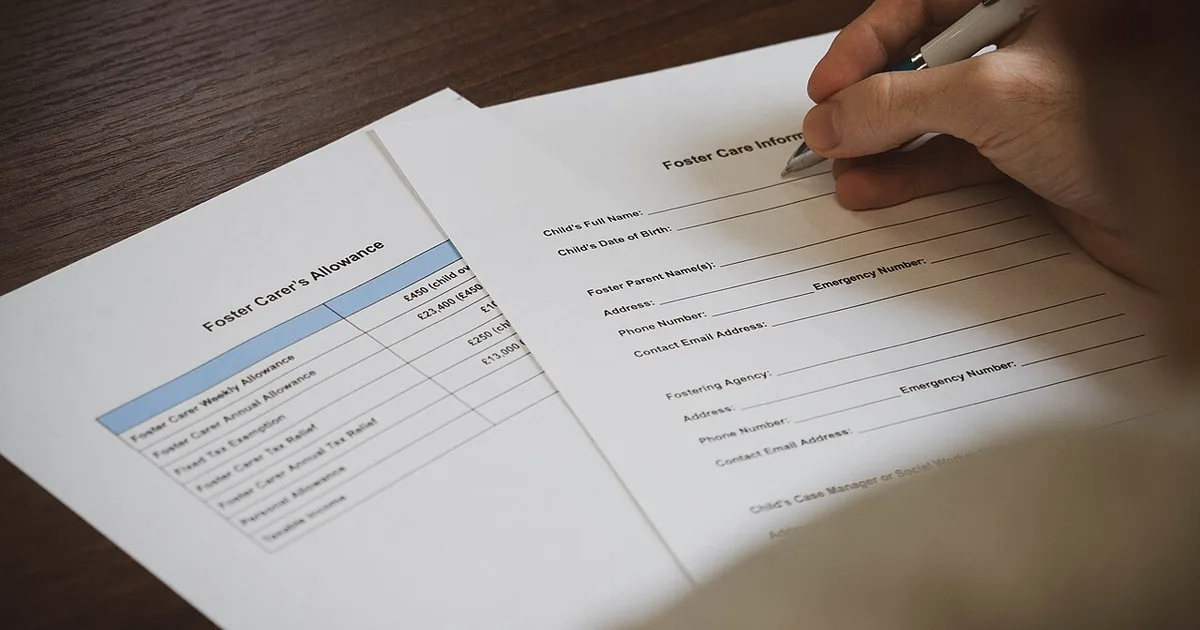
No proof required class action lawsuits offer Utah residents a streamlined way to claim compensation from settlements without providing extensive documentation or receipts. These cases typically arise when companies allegedly violate consumer protection laws, privacy regulations, or engage in deceptive business practices that affect large groups of people.
Utah consumers often qualify for these settlements based on simple attestation - meaning you only need to confirm you used a product, service, or were affected during specific time periods. Common examples include privacy violations, false advertising claims, data breaches, and billing disputes with major corporations.
The appeal of no-proof settlements lies in their accessibility. Rather than requiring Utah residents to dig through old receipts or bank statements, claimants can participate by honestly attesting to their experience. This approach recognizes that many consumer harms affect millions of people in small amounts, making traditional proof requirements impractical while still providing meaningful relief to affected consumers.
Utah Law on No Proof Required Cases
Utah's Consumer Sales Practices Act (CSPA), codified under Utah Code § 13-11-1 et seq., serves as the state's primary consumer protection statute. The CSPA prohibits deceptive acts or practices in consumer transactions and provides a foundation for class action lawsuits involving Utah residents. This law allows consumers to seek actual damages, and in some cases, punitive damages when businesses engage in unfair or deceptive practices.
The statute of limitations for consumer protection claims in Utah is typically four years from when the deceptive practice occurred or should have been discovered. This extended timeframe often allows Utah residents to participate in no-proof settlements even for older violations, provided they fall within the class period defined in each settlement.
Utah has also enacted the Utah Protection of Personal Information Act (UPPIA) under Utah Code § 13-44-101, which addresses data breach notifications and privacy protections. While Utah lacks comprehensive biometric privacy laws like Illinois's BIPA, the state's general privacy protections can support class actions involving data misuse, unauthorized data collection, or inadequate security measures that result in consumer harm requiring only attestation-based claims.
Which kinds of settlement actually waive proof
“No proof” is not a favour — it follows from who holds the records. Where the defendant’s own data already identifies you, a receipt adds nothing, so the claim form asks for a signed statement instead.
- Privacy, pixel and video-privacy cases — almost always no proof. The company’s logs show you were there. The FitOn video-privacy settlement pays $10 on a no-proof claim; the St. Joseph Hospital MyChart pixel settlement pays about $50.
- TCPA calls and texts — no proof. Eligibility turns on the caller’s own records of your number.
- Data breaches — usually a no-proof option alongside a documented one. A flat cash payment needs nothing; a larger documented-loss claim needs evidence. You can normally take the flat option.
- Consumer goods — no proof up to a cap. Typically a few units on a sworn statement, receipts required beyond that.
- Securities — never. Investor claims need trade records, and no no-proof route exists.
What a no-proof claim is worth. Usually tens of dollars: the fund is split among everyone who files. Google’s Assistant settlement pays an estimated $2–$10; Albany Park pays $115, at the high end.
What we can verify about Utah No Proof Required settlements
We removed a list we could not stand behind. This page used to name specific proof required settlements with years and dollar amounts. Checking five of them found only one correct, so rather than repeat the rest we took them down.
Here is the part that actually answers the question. Class actions are almost always federal or multi-state. A settlement that covers Utah residents nearly always covers residents of every other state as well, and living in Utah rarely decides whether you can claim. What decides it is whether you bought the product, held the account, used the service or received the notice, during the class period the court approved.
Where Utah can matter is at the edges: a handful of settlements are limited to one state because the claim rests on that state’s own consumer statute, and a few pay residents of some states more than others. Those restrictions are always stated on the official claim form, and we list them per settlement rather than per state.
For settlements that are genuinely open right now, each one checked against the court-appointed administrator, see our list of open settlements or our guide to settlements with no proof of purchase. If you want to know which have actually cleared final approval and are paying, we track that in which settlements are paying out now.
Are Utah Residents Eligible?
Utah residents typically qualify for no-proof class action settlements by meeting basic criteria established in each settlement agreement. Most commonly, eligibility requires residing in Utah during the specified class period and having used the defendant's product or service. The state's four-year statute of limitations under the Consumer Sales Practices Act often allows participation in cases involving older violations.
Residency requirements are usually straightforward - you must have been a Utah resident during the relevant time period specified in the settlement. Some settlements may exclude certain categories of people, such as employees of the defendant company, legal professionals involved in the case, or government entities.
Age restrictions may apply, with some settlements requiring claimants to have been at least 18 years old during the class period. Utah residents should carefully review each settlement's specific eligibility requirements, as terms can vary significantly between cases. The attestation process typically involves confirming your residency, age, and relationship to the product or service in question.
How Utah Residents File Claims
Filing no-proof required claims as a Utah resident involves completing settlement-specific claim forms within designated deadlines. Most settlements provide online portals where you can submit your attestation electronically, though paper forms are often available for those who prefer traditional mail submission.
The process typically requires basic information including your name, Utah address during the class period, and simple confirmation that you meet the eligibility criteria. You'll need to honestly attest to your use of the product or service, but won't need to provide receipts, account statements, or other documentation.
Class Action Buddy simplifies this process for Utah residents by automatically filling out claim forms in just 60 seconds. The platform identifies relevant settlements, pre-populates your information, and ensures you meet all deadlines. This automated approach helps Utah consumers maximize their participation in legitimate settlements while avoiding the tedious paperwork typically required.
Settlement deadlines are strict, so Utah residents should act promptly when eligible settlements are identified. Missing a deadline typically means forfeiting your right to compensation, making tools like Class Action Buddy valuable for tracking and filing multiple claims efficiently.
Frequently Asked Questions
Do I need receipts or proof of purchase for no-proof settlements in Utah?
No, these settlements specifically require only attestation. You simply confirm under penalty of perjury that you used the product or service during the specified time period while living in Utah.
What happens if I submit a false claim in Utah?
Submitting false attestations constitutes perjury under Utah law and federal court rules. Only file claims where you honestly meet the eligibility requirements during the specified class period.
How long do Utah residents have to file these claims?
Deadlines vary by settlement, typically ranging from 60-180 days after preliminary approval. Utah's general statute of limitations doesn't extend settlement-specific deadlines, so prompt filing is essential.
Can Utah residents participate in out-of-state class action settlements?
Yes, if you meet the settlement's eligibility criteria and used the defendant's product or service while residing in Utah during the class period, geographic location of the court typically doesn't matter.
Are settlement payments taxable income for Utah residents?
Tax treatment depends on the nature of the underlying claim. Compensatory damages are often not taxable, but punitive damages or interest may be. Consult a tax professional for settlements over $600.
No proof required class action settlements provide Utah residents with accessible opportunities to recover compensation for corporate wrongdoing without burdensome documentation requirements. These cases recognize that consumer harm often affects millions of people in ways that make traditional proof requirements impractical.
Class Action Buddy streamlines the entire process, automatically identifying relevant settlements and completing claim forms in just 60 seconds. This ensures Utah residents never miss eligible settlements while maintaining complete accuracy in their submissions. Start maximizing your class action recoveries today with Class Action Buddy's automated claim filing system.