Antitrust Class Action Lawsuit Guide
Last updated April 29, 2026 · By Class Action Buddy
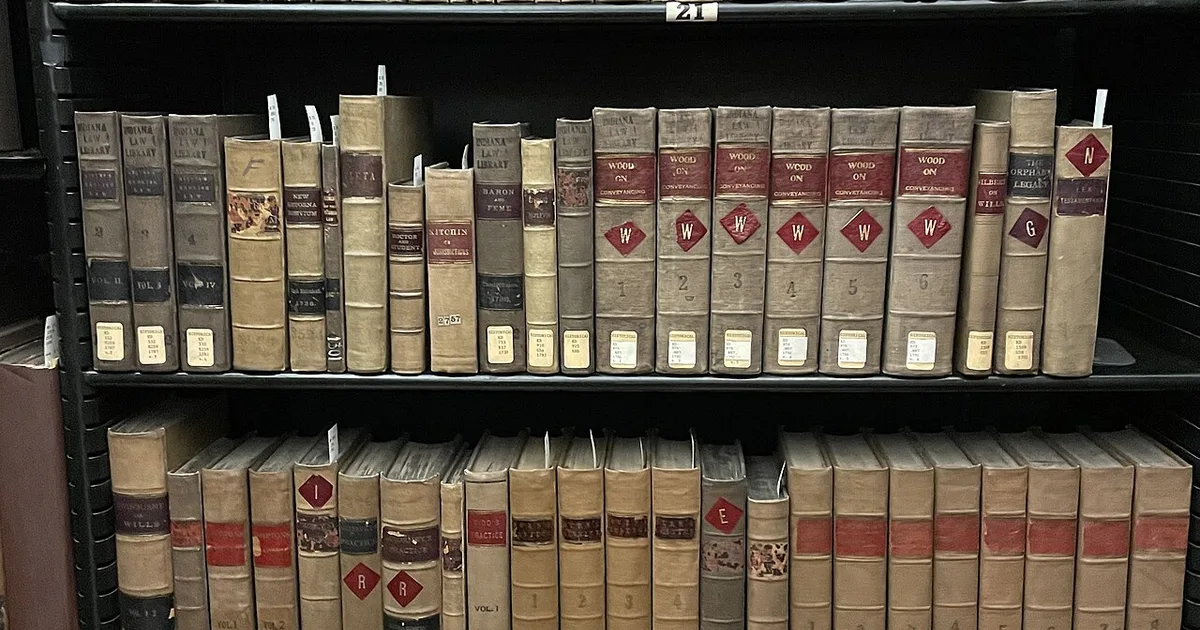
Antitrust class action lawsuits arise when companies engage in anti-competitive practices that harm consumers through artificially inflated prices, reduced competition, or market manipulation. These cases typically involve allegations of price fixing, monopolization, bid rigging, or other violations of federal antitrust laws designed to protect fair competition in the marketplace.
These lawsuits matter because they serve as a crucial enforcement mechanism for antitrust laws, allowing consumers who individually suffered small damages to collectively seek redress against powerful corporations. When companies illegally coordinate prices or abuse market dominance, the cumulative harm to consumers can reach billions of dollars.
Antitrust class actions affect virtually all consumers, as they span industries from technology and pharmaceuticals to food, automotive, and financial services. Anyone who purchased affected products or services during the relevant time periods may be eligible for compensation, making these among the most broadly impactful types of class action litigation.
History and Legal Background
Modern antitrust law originated with the Sherman Antitrust Act of 1890, which prohibited monopolies and restraints on trade. The Clayton Act of 1914 and Federal Trade Commission Act further strengthened enforcement mechanisms, establishing the framework for today's antitrust class actions.
The landmark 1966 amendments to Federal Rule of Civil Procedure 23 revolutionized class action litigation, making large-scale antitrust cases more feasible. The Supreme Court's decision in Illinois Brick Co. v. Illinois (1977) established the direct purchaser rule, generally limiting antitrust standing to direct purchasers of price-fixed goods.
Significant developments include the Private Securities Litigation Reform Act's influence on class action procedures and the 2005 Class Action Fairness Act, which moved many large class actions to federal court. The Hart-Scott-Rodino Act of 1976 strengthened merger oversight, while recent decades have seen increased scrutiny of technology companies and digital marketplaces.
Notable Cases and Settlements
In re Automotive Parts Antitrust Litigation (2012-2019) — $740+ million settlements Multiple settlements involving price fixing conspiracies among automotive parts manufacturers affecting vehicles sold in the United States.
In re Capacitors Antitrust Litigation (2014-2017) — $571 million settlement Price fixing conspiracy among major capacitor manufacturers that supplied electronic components to various industries.
In re Urethane Antitrust Litigation (2013) — $400 million settlement Chemical companies conspired to fix prices of polyether polyol, a key component in foam and other urethane products.
In re Payment Card Interchange Fee Litigation (2012) — $6.24 billion settlement Merchants challenged Visa and Mastercard's interchange fee rules and network restrictions affecting credit card transactions.
In re High-Tech Employee Antitrust Litigation (2015) — $415 million settlement Major technology companies agreed not to recruit each other's employees, artificially suppressing wages in Silicon Valley.
In re Processed Egg Products Antitrust Litigation (2018) — $130 million settlement Egg producers conspired to limit supply and manipulate prices of processed egg products nationwide.
Who Is Eligible to Claim?
Antitrust class action eligibility typically requires purchasing affected products or services directly from defendants during specified time periods when anti-competitive conduct occurred. Direct purchaser status is crucial under the Illinois Brick doctrine, though some state laws allow indirect purchaser claims.
Geographic restrictions often limit eligibility to purchases within the United States or specific states, depending on the scope of the alleged conspiracy and applicable laws. Class definitions usually specify particular product categories, model numbers, or service types covered by the litigation.
Documentation requirements vary by case but may include receipts, invoices, credit card statements, or other purchase records. However, many settlements allow claims without documentation if purchasers can provide sworn statements about their purchases, recognizing that consumers rarely retain records for extended periods. Some cases establish different compensation tiers based on the strength of purchase documentation provided.
How to File a Claim
Filing antitrust class action claims typically begins with locating the settlement administrator's website or claim form following court approval of a settlement agreement. Class Action Buddy streamlines this process by auto-filling required forms in just 60 seconds, eliminating the tedious manual data entry that deters many eligible claimants.
Essential information includes purchase details such as dates, quantities, retailers, and approximate prices paid for affected products. When specific documentation isn't available, detailed sworn statements about purchase patterns often suffice. Submit claims before court-imposed deadlines, which are typically several months after settlement approval.
Practical tips include checking multiple email addresses and physical addresses where you might have made purchases, as eligibility often spans several years. Keep copies of submitted claims and confirmation numbers. Consider whether you qualify for multiple related settlements, as some antitrust conspiracies spawn separate class actions for different product lines or time periods.
Frequently Asked Questions
How long do I have to file an antitrust class action claim?
Claim deadlines typically range from 60 to 180 days after court approval of a settlement. These deadlines are strictly enforced, so it's crucial to submit claims promptly after receiving notice or discovering an eligible settlement.
Do I need receipts to participate in an antitrust class action?
While receipts strengthen claims, many settlements accept sworn statements about purchases when documentation isn't available. Some cases offer higher compensation for documented claims but still provide recovery for undocumented purchases during relevant time periods.
Can I participate if I bought products from a retailer rather than directly from the defendant?
Federal antitrust law generally requires direct purchases from defendants, but state law claims sometimes allow indirect purchaser recovery. Settlement terms specify whether retailer purchases qualify, and eligibility varies significantly between cases.
How much compensation can I expect from an antitrust class action?
Compensation depends on total settlement size, number of claimants, and your purchase volume during relevant periods. Individual payments can range from a few dollars to thousands, with most consumer settlements providing modest per-person recovery.
What happens if I opt out of an antitrust class action?
Opting out preserves your right to sue defendants individually but requires filing within applicable statutes of limitations. Most consumers benefit more from class participation unless they suffered substantial individual damages justifying separate litigation.
Antitrust class actions provide essential protection against corporate price manipulation and anti-competitive behavior that harms consumers nationwide. These settlements often represent the only practical way for individuals to recover damages from complex business conspiracies that inflate everyday prices across numerous industries.
Class Action Buddy simplifies participation by automatically tracking new antitrust settlements and enabling quick claim submission through its 60-second form completion system. Don't let complicated paperwork prevent you from recovering compensation you've rightfully earned from companies that violated antitrust laws.

Related guides
Hand-picked from our settlement library to give you the full picture.