How to File a Class Action Claim in Alaska
Last updated April 30, 2026 · By Class Action Buddy
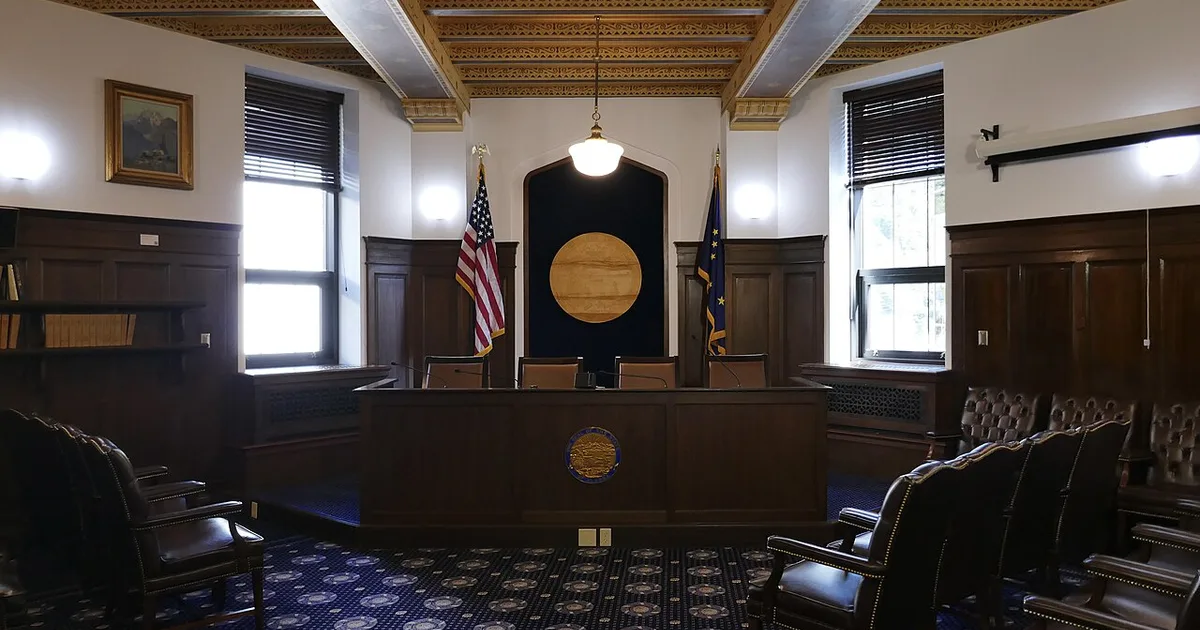
Class action settlements provide Alaska residents with opportunities to recover compensation for various corporate wrongdoings, from data breaches to consumer fraud. As an Alaska resident, you may be eligible for settlements that specifically include Alaska or have nationwide scope, though some settlements exclude certain states due to varying legal frameworks.
Alaska's remote location and smaller population don't prevent residents from participating in major class action settlements. Recent examples include data breach settlements from major retailers and telecommunications companies that affected customers nationwide, including Alaska. Additionally, Alaska residents have been eligible for settlements involving airline pricing practices and pharmaceutical company marketing violations.
The key difference for Alaska residents is ensuring that settlement terms specifically include Alaska, as some class actions are limited to the lower 48 states. However, most major consumer and data breach settlements include all 50 states, making Alaska residents eligible for significant recovery opportunities.
Alaska Class Action Law
Alaska's consumer protection framework centers around the Alaska Unfair Trade Practices Act (AS 45.50.471), which prohibits deceptive business practices and provides consumers with legal remedies. This statute allows for both individual and class action lawsuits when businesses engage in unfair or deceptive practices that harm multiple consumers.
The statute of limitations for most consumer protection claims in Alaska is three years from the date of discovery, though this can vary depending on the specific type of claim. Alaska courts follow federal class action procedures under Federal Rule of Civil Procedure 23 for cases filed in federal court, while state court class actions follow Alaska Civil Rule 23.
Alaska has not enacted comprehensive privacy legislation comparable to California's CCPA or biometric privacy laws like Illinois' BIPA. However, Alaska residents can still participate in privacy-related class actions filed in other jurisdictions or federal court. The state's consumer protection laws do provide some privacy protections, particularly regarding personal information disclosure and identity theft prevention.
Who Is Eligible in Alaska?
Alaska residents typically qualify for nationwide class action settlements involving data breaches, consumer products, financial services, and telecommunications. Major categories include credit monitoring settlements from retailer data breaches, pharmaceutical settlements for drug pricing or side effects, and technology company settlements for privacy violations.
Some settlements specifically require Alaska residency or explicitly include Alaska residents in the settlement class. Others may have geographic limitations that could potentially exclude Alaska, particularly for regional business practices or state-specific regulatory violations. It's important to carefully review settlement terms to confirm Alaska inclusion.
Alaska residents are often eligible for federal securities class actions, antitrust settlements involving price-fixing conspiracies, and consumer product defect settlements. The key is establishing that you were affected by the defendant's conduct while residing in Alaska or purchasing products/services that were delivered to Alaska addresses.
Step-by-Step Filing Process
1. Check Eligibility: Verify that you meet all class requirements, including Alaska residency during the relevant time period and that you were affected by the defendant's conduct.
2. Gather Required Documents: Collect proof of purchase, account statements, receipts, or other documentation showing your connection to the settlement class and any damages you suffered.
3. Read the Claim Form Carefully: Review all settlement terms, deadlines, and required information. Pay special attention to any Alaska-specific provisions or geographic limitations.
4. Submit Your Claim: Complete and submit the claim form by the deadline, either online or by mail, ensuring all required documentation is included.
5. Wait for Court Approval: The court must approve the settlement before payments are distributed. This process typically takes several months.
6. Receive Payment: Once approved, payments are distributed according to the settlement terms, either by check, electronic payment, or account credit.
Payouts and Tax Treatment in Alaska
Class action settlement payments to Alaska residents are generally subject to federal income tax if they represent taxable income rather than reimbursement for actual losses. Alaska does not impose a state income tax on individuals, which can be advantageous compared to residents of states with income taxes.
However, tax treatment depends on the specific nature of the settlement payment. Compensatory damages for actual financial losses are typically not taxable, while punitive damages or interest payments usually are taxable income. The settlement administrator should provide tax documentation when payments exceed federal reporting thresholds.
For specific guidance on how class action payments may affect your tax situation, consult the IRS guidelines or speak with a tax professional. The Alaska Department of Revenue website may also provide relevant information about federal tax obligations for Alaska residents.
Frequently Asked Questions
Do I need to hire a lawyer to file a class action claim in Alaska?
No, you typically don't need to hire your own attorney for class action settlements. The class action lawyers represent all class members and are paid from the settlement fund or by court order.
Can Alaska residents join class actions filed in other states?
Yes, if the settlement terms include Alaska residents or if you have sufficient connection to the jurisdiction where the case was filed. Most nationwide settlements include all 50 states.
How long do I have to file a claim once a settlement is announced?
Claim deadlines vary by settlement but typically range from 60-180 days after the settlement notice is published. Check the specific settlement website for exact deadlines.
What if I moved to Alaska after the alleged wrongdoing occurred?
Your eligibility depends on where you resided during the relevant time period specified in the settlement terms. Moving to Alaska afterward typically doesn't affect existing claims.
Are class action settlements in Alaska subject to state income tax?
No, Alaska does not impose state income tax on individuals. However, settlement payments may still be subject to federal income tax depending on their nature.
Alaska residents have significant opportunities to participate in class action settlements and recover compensation for corporate wrongdoing. While Alaska's unique location and legal framework may present some considerations, most major settlements include Alaska residents and can provide meaningful financial recovery.
Class Action Buddy makes it easy for Alaska residents to stay informed about relevant settlements and file claims efficiently. Don't miss out on compensation you may be entitled to receive – let Class Action Buddy help you navigate the class action landscape and maximize your recovery opportunities.

Related guides
Hand-picked from our settlement library to give you the full picture.
Related Resources
By the Class Action Buddy Editorial Team · Last reviewed July 6, 2026
The settlements referenced in this guide are verified against primary sources — the official settlement administrator and the court record for each case. Class Action Buddy is an independent directory and is not affiliated with, endorsed by, or sponsored by any settlement administrator, law firm, or court. This is general information, not legal advice. See how we verify settlements.