Privacy Class Action Settlements for Drivers
Last updated April 30, 2026 · By Class Action Buddy
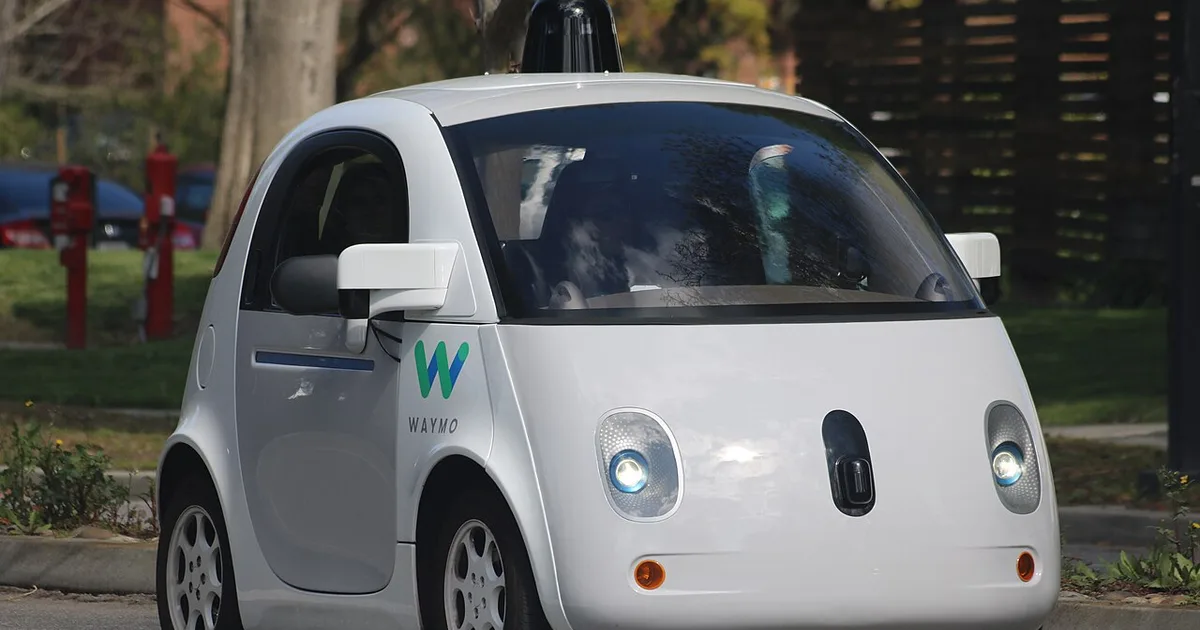
Drivers today generate massive amounts of personal data through their vehicles, smartphones, and connected devices. This information is incredibly valuable to companies, but many collect and share it without proper consent or transparency. When businesses violate privacy laws or mishandle driver data, class action lawsuits often follow, creating opportunities for compensation.
Recent cases have shown that drivers can receive significant settlements from privacy violations. For example, drivers affected by location tracking lawsuits have received payments ranging from $25 to several hundred dollars per person. Companies that secretly collected driving habits, route information, or personal communications have faced multi-million dollar settlements.
These cases matter because your driving data reveals intimate details about your life - where you work, live, shop, and travel. When companies profit from this information illegally or share it without permission, privacy class actions provide both compensation and accountability. Understanding these opportunities helps drivers protect their rights while potentially receiving financial recovery for past violations.
Why Privacy Cases Affect Drivers
Privacy class actions specifically target companies that unlawfully collect, store, or share drivers' personal information. This includes GPS tracking data, driving behavior analytics, location history, and communications made through connected vehicle systems. Automotive manufacturers, ride-sharing platforms, navigation apps, and insurance companies frequently face these lawsuits.
Drivers are particularly vulnerable because modern vehicles and driving apps continuously monitor behavior. Companies often bury data collection practices in lengthy terms of service agreements that drivers rarely read. When these practices violate state or federal privacy laws, affected drivers become eligible for class action settlements.
Common violations include recording conversations without consent, sharing location data with third parties, accessing personal device information, and failing to secure collected data properly. Each violation potentially entitles affected drivers to monetary compensation through successful class action settlements.
Notable Privacy Settlements
GM OnStar Location Tracking (2015) — $20.5 million settlement Drivers who used OnStar services received payments for unauthorized location tracking after subscription cancellation.
Uber Driver Privacy Violation (2016) — $20 million settlement Uber drivers affected by background check privacy violations received compensation averaging $75 per person.
Toyota Connected Services (2019) — $22.5 million settlement Toyota owners received payments for unauthorized collection and transmission of driving data without proper disclosure.
Hertz Location Tracking (2017) — $16 million settlement Rental car customers received compensation for GPS tracking data collection without adequate consent.
Lyft Driver Background Checks (2018) — $12.25 million settlement Lyft drivers received payments for privacy violations during background screening processes.
Ford SYNC Privacy (2020) — $17 million settlement Ford vehicle owners received compensation for unauthorized collection of mobile device data through SYNC systems.
Eligibility for Drivers
Driver eligibility for privacy class actions typically depends on specific circumstances like vehicle ownership, app usage, or service enrollment during defined time periods. Most cases require proof that you were affected by the alleged privacy violations, such as owning a vehicle with certain technology or using specific driving-related services.
Documentation requirements vary but often include vehicle registration, service agreements, or app download records. Some settlements require minimal proof, while others demand detailed usage history. Geographic limitations may apply, as certain privacy laws only protect residents of specific states.
Class periods typically span several years, and you must have been affected during those exact timeframes. Multiple class actions may exist for the same company, so drivers could qualify for several settlements simultaneously. Each case has unique requirements, making it essential to review specific eligibility criteria carefully.
How to File
Filing privacy class action claims as a driver starts with identifying relevant settlements through legal databases, news sources, or class action tracking services. Once you find applicable cases, gather necessary documentation like vehicle registration, service receipts, or proof of app usage during the specified class periods.
Most claims require completing detailed forms with personal information, vehicle details, and usage history. These forms can be time-consuming and complex, often requiring specific dates and technical information that drivers may not readily remember.
Class Action Buddy simplifies this process dramatically by auto-filling these complicated forms in just 60 seconds. The platform uses your basic information to complete multiple privacy-related claims simultaneously, ensuring you don't miss deadlines or make errors that could disqualify your submissions.
After filing, monitor deadlines carefully as many privacy settlements require additional documentation or have objection periods. Keep records of all submissions and confirmation numbers. Most privacy class action payments arrive 6-18 months after final settlement approval, depending on case complexity and appeal processes.
Frequently Asked Questions
Can I file privacy claims for multiple vehicles I own?
Yes, most privacy class actions allow separate claims for each affected vehicle, potentially multiplying your compensation if you owned multiple qualifying vehicles during the class period.
Do I need to prove financial damages from privacy violations?
No, most privacy class actions are statutory violations that don't require proof of actual financial harm. Simply being affected by the violation typically qualifies you for compensation.
Can passengers or occasional drivers file privacy claims?
Eligibility usually requires vehicle ownership or direct service usage. Passengers typically cannot file unless they were direct users of the violating service or technology.
How long do I have to file privacy class action claims?
Deadlines vary by settlement but typically range from 60-180 days after final approval. Missing deadlines permanently disqualifies you from compensation.
Will filing privacy claims affect my insurance or driving record?
No, participating in privacy class actions is confidential and will not impact your insurance rates, driving record, or credit score in any way.
Privacy violations affect millions of drivers who deserve compensation for unauthorized data collection and misuse. These settlements provide both financial recovery and corporate accountability for companies that profit from your personal information without permission.
Class Action Buddy makes claiming these settlements effortless by auto-filling complex forms in 60 seconds. Don't let complicated paperwork prevent you from receiving compensation you've rightfully earned. Start your privacy class action claims today and recover money for violations that may have already occurred.

Related guides
Hand-picked from our settlement library to give you the full picture.