Privacy Class Action Lawsuits 2026: Comprehensive Guide
Last updated April 29, 2026 · By Class Action Buddy
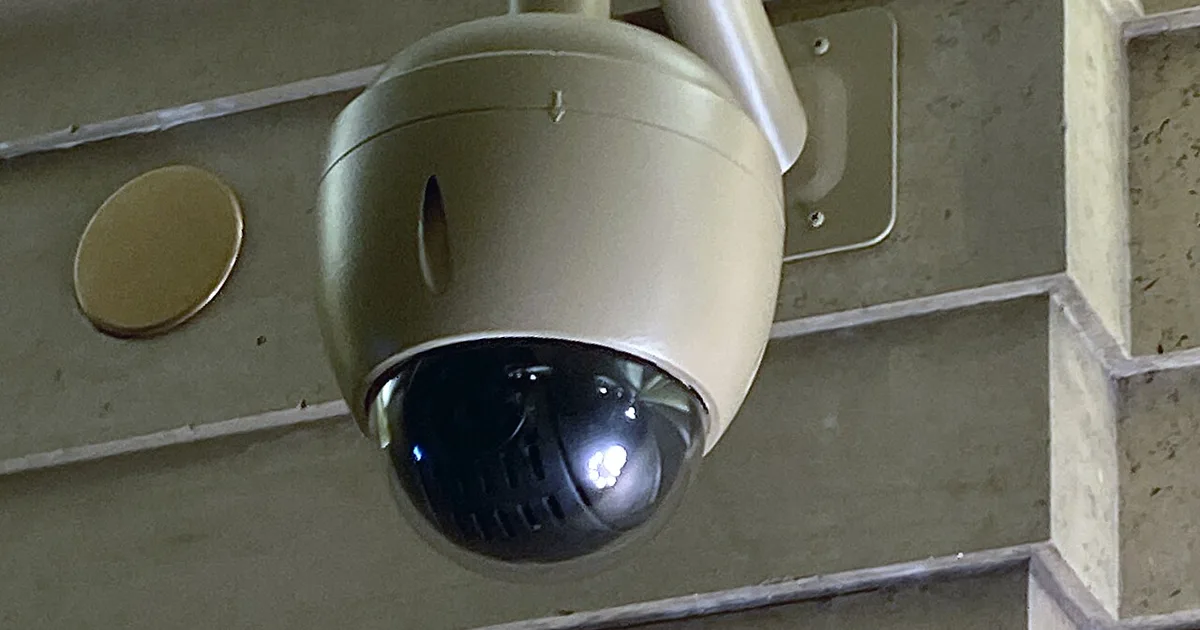
Privacy class action lawsuits represent one of the fastest-growing areas of consumer litigation, addressing violations of personal data protection rights. These cases typically arise when companies collect, store, or share personal information without proper consent, fail to implement adequate security measures, or violate specific privacy statutes. Common violations include biometric data collection under the Illinois Biometric Information Privacy Act (BIPA), data breaches under the California Consumer Privacy Act (CCPA), and unauthorized recording under federal and state wiretap laws.
These lawsuits matter because they hold corporations accountable for mishandling sensitive personal information and provide compensation to affected individuals. Privacy violations can result in identity theft, financial fraud, and significant personal harm, making legal remedies essential for consumer protection.
The affected parties span virtually every consumer demographic, from social media users and mobile app customers to employees whose biometric data is collected for timekeeping. As privacy laws expand and enforcement increases, these class actions serve as a critical mechanism for deterring corporate misconduct and ensuring individuals receive compensation for privacy violations.
History and Legal Background
Privacy class action litigation emerged in the 1990s with early cases under the Video Privacy Protection Act (VPPA), enacted in 1988 following the public disclosure of Supreme Court nominee Robert Bork's video rental records. The VPPA established one of the first federal frameworks for digital privacy protection, allowing consumers to sue for unauthorized disclosure of viewing habits.
The landscape transformed dramatically with Illinois's passage of the Biometric Information Privacy Act in 2008, following concerns about biometric data collection in schools. BIPA became the most powerful state privacy law, requiring specific consent procedures and providing statutory damages of $1,000-$5,000 per violation. Landmark cases like Rosenbach v. Six Flags (2019) established that technical violations alone constitute injury, opening floodgates for litigation.
Federal wiretap laws, originally designed for telephone surveillance, expanded to cover digital communications and recordings. The California Consumer Privacy Act, effective in 2020, created new class action opportunities for data breaches and unauthorized sales of personal information. Recent years have seen explosive growth in biometric privacy cases, with settlements reaching hundreds of millions of dollars as courts interpret privacy statutes broadly in favor of consumer protection.
Notable Cases and Settlements
Facebook Biometric Privacy Settlement (2021) — $650 million settlement Facebook settled BIPA claims for collecting facial recognition data without proper consent from Illinois users' photos and videos.
TikTok Biometric Privacy Settlement (2021) — $92 million settlement TikTok resolved allegations of collecting biometric identifiers and other personal data from users, including minors, without adequate disclosure.
Clearview AI BIPA Settlement (2022) — $9.2 million settlement The facial recognition company settled claims for scraping billions of photos from social media platforms without consent.
Google Street View Wi-Fi Data (2013) — $7 million settlement Google settled federal wiretap claims for collecting private Wi-Fi data while capturing Street View images.
Hulu Video Privacy Settlement (2014) — $11 million settlement Hulu resolved VPPA violations for sharing users' video viewing histories with third-party advertisers without consent.
Zoom VPPA Settlement (2021) — $85 million settlement Zoom settled claims for allegedly sharing user data with Facebook, Google, and LinkedIn without proper disclosure.
Who Is Eligible to Claim?
Eligibility for privacy class action lawsuits depends on the specific statute violated and the defendant's conduct. For BIPA cases, plaintiffs must typically be Illinois residents whose biometric identifiers (fingerprints, facial scans, voiceprints) were collected without proper written consent. Geographic restrictions are crucial, as BIPA only protects Illinois residents, while CCPA primarily covers California consumers.
VPPA claims require proof that a defendant disclosed your video viewing records to third parties without consent. Federal and state wiretap claims generally require showing that communications or activities were recorded without all-party consent, depending on the jurisdiction's wiretapping laws.
Most privacy class actions don't require proof of actual damages or identity theft. Technical violations of statutory requirements, such as failure to obtain proper consent or inadequate privacy disclosures, are often sufficient. Documentation requirements vary but may include screenshots, account records, employment records (for workplace biometric cases), or evidence of app usage during relevant time periods. Some cases accept self-certification of eligibility, while others require more detailed proof of residency and interaction with the defendant's services.
How to File a Claim
Filing privacy class action claims typically involves submitting documentation through online portals or mail during specified claim periods. Most settlements establish dedicated websites where eligible class members can submit claims electronically. Required information usually includes personal details, proof of residency, and evidence of interaction with the defendant's services during the violation period.
Class Action Buddy streamlines this process by auto-filling claim forms in just 60 seconds, eliminating the tedious manual entry of repetitive information across multiple settlements. The platform tracks deadlines and automatically populates your information into the correct fields for each privacy settlement.
Practical tips include maintaining records of app downloads, employment with companies using biometric timekeeping, and social media activity. Screenshots of privacy policy changes, account settings, or biometric enrollment can strengthen claims. Submit claims as early as possible, as some settlements operate on first-come, first-served basis for payment distribution.
Keep confirmation emails and track claim status through settlement websites. Consider consulting with privacy attorneys for cases involving significant damages or complex eligibility requirements, especially for ongoing violations.
Frequently Asked Questions
Do I need to prove financial damages to join a privacy class action?
No, most privacy statutes provide statutory damages for technical violations without requiring proof of actual financial harm. Laws like BIPA and VPPA specifically allow recovery for violations regardless of whether you suffered identity theft or monetary losses.
How much money can I expect from privacy class action settlements?
Payments vary widely based on the violation type and settlement size. BIPA settlements often pay $200-$400 per person, while VPPA cases may pay $15-$50. The total settlement amount and number of claimants determine individual payments.
Can I join privacy class actions if I live outside Illinois or California?
Yes, depending on the specific law violated. Federal wiretap and VPPA claims aren't limited by state residency, though you must have interacted with the defendant's services. However, BIPA claims are restricted to Illinois residents.
How long do I have to file a privacy class action claim?
Claim deadlines typically range from 60-120 days after settlement approval. Missing these deadlines permanently bars recovery, so prompt filing is essential. Some ongoing cases allow joining before settlement through legal representation.
What happens to my data after joining a privacy class action?
Class action participation doesn't affect your existing data or accounts with defendants. Settlements often include injunctive relief requiring improved privacy practices, but your personal information remains subject to current privacy policies and settings.
Privacy class action lawsuits will continue expanding as new laws take effect and enforcement increases. These cases provide essential protection for consumer rights while offering meaningful compensation for privacy violations. With claim deadlines and complex eligibility requirements, tracking opportunities manually becomes increasingly difficult.
Class Action Buddy offers the perfect solution, automatically monitoring privacy settlements and completing claim forms in 60 seconds. Don't miss out on compensation you deserve—let Class Action Buddy handle the paperwork while you focus on protecting your privacy rights.

Related guides
Hand-picked from our settlement library to give you the full picture.