Overcharged Beef Settlement: Vermont Resident Guide
Last updated April 30, 2026 · By Class Action Buddy
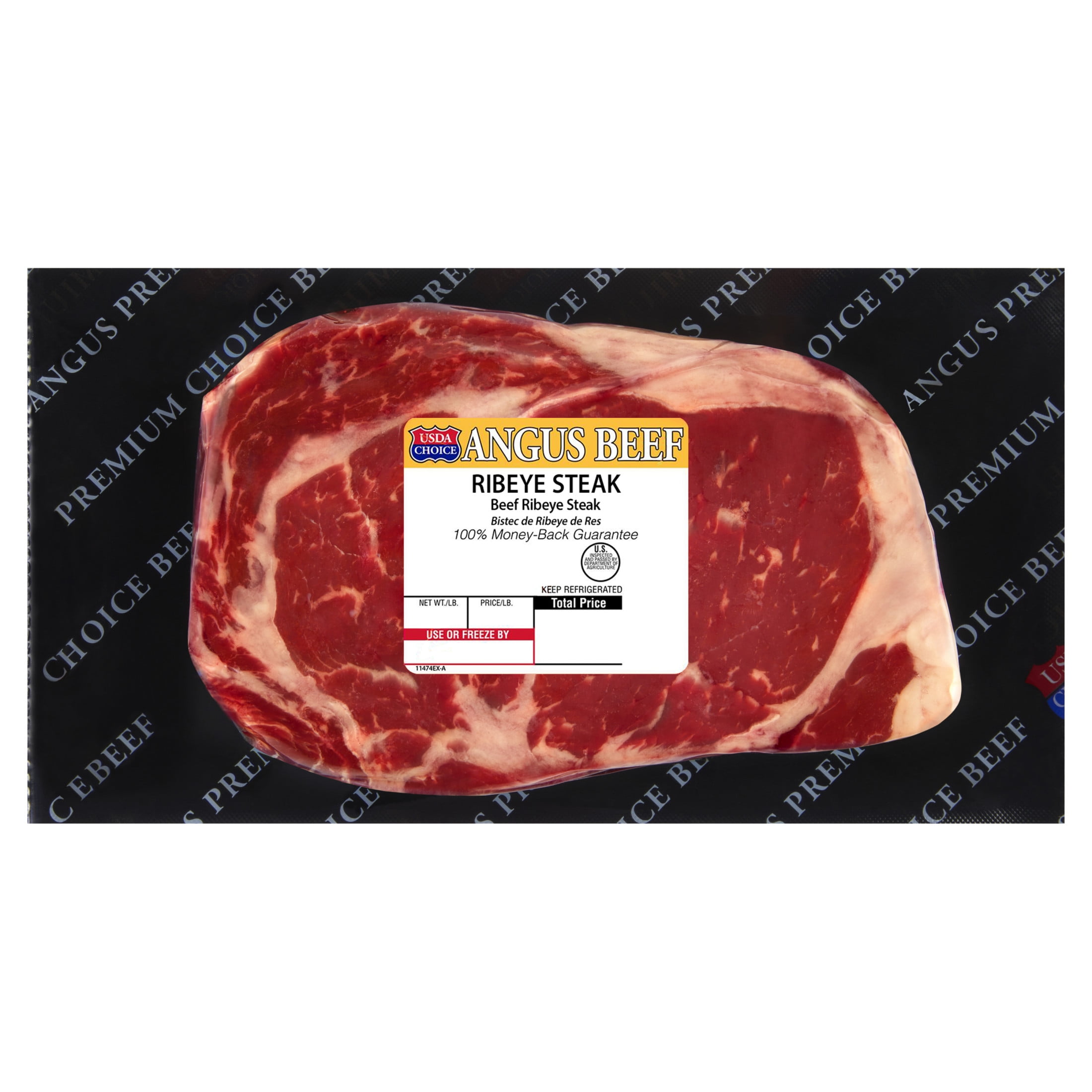
The Overcharged Beef Settlement provides compensation to consumers who purchased beef products and paid inflated prices due to alleged price-fixing by major beef processors. This class action lawsuit claims that companies conspired to manipulate beef prices, resulting in higher costs passed on to consumers across multiple states.
Vermont residents are among those eligible to receive compensation from this settlement, which covers beef purchases made during the specified claim period. The settlement aims to reimburse consumers who were financially impacted by the alleged price manipulation scheme.
With a maximum payout of $200 per household and a filing deadline of June 30, 2026, Vermont consumers have a significant opportunity to recover money spent on overpriced beef products. The settlement covers various beef products purchased at grocery stores, restaurants, and other retailers throughout the Green Mountain State.
Are Vermont Residents Eligible?
Yes, Vermont residents are eligible to participate in the Overcharged Beef Settlement. Vermont is specifically included in the list of 27 qualifying states and territories covered by this settlement agreement.
To qualify, you must have purchased beef products in Vermont during the class period specified in the settlement. This includes fresh beef, ground beef, steaks, roasts, and other beef products bought at grocery stores, supermarkets, restaurants, or other food retailers within Vermont's borders.
You don't need to provide receipts to file a claim, though having purchase records can help support your claim for higher compensation amounts. Vermont residents can claim purchases made anywhere within the state, whether in Burlington, Montpelier, Rutland, or any other Vermont community. The settlement covers both individual consumers and families who purchased beef products for personal consumption, not commercial buyers or restaurants purchasing for resale.
Vermont Payout and Tax Notes
Vermont residents can receive up to $200 from the Overcharged Beef Settlement, with the exact amount depending on your beef purchase history during the claim period. Payments will be distributed via Venmo, making it convenient for claimants to receive their compensation electronically.
Settlement payments are typically processed within 60-120 days after the claims deadline passes and final court approval is obtained. Vermont residents should ensure their Venmo account information is accurate when filing their claim.
Regarding taxes, settlement payments may be considered taxable income under both federal and Vermont state tax laws. Vermont residents should consult with a tax professional about reporting requirements, as the state follows federal guidelines for most settlement income but may have specific provisions that apply.
How Vermont Residents File This Claim
Filing your Overcharged Beef Settlement claim from Vermont is straightforward and can be completed entirely online. Visit the official settlement website to access the claim form, which requests basic information about your Vermont address and beef purchasing history during the class period.
Class Action Buddy can significantly streamline this process for Vermont residents by auto-filling your claim form in just 60 seconds. This service reduces the time spent entering repetitive information and helps ensure your claim is completed accurately and submitted before the June 30, 2026 deadline.
When filing from Vermont, make sure to provide a valid Venmo account for payment processing. Double-check that your contact information, including your Vermont address, is accurate to avoid delays in claim processing. No receipts are required, but estimate your beef purchases honestly based on your typical shopping habits during the relevant time period.
Vermont-Specific Notes
Vermont residents should be aware that settlement payments may be subject to Vermont state income tax in addition to federal taxes. The Green Mountain State generally follows federal tax treatment for legal settlements, but residents should consult Vermont Department of Taxes guidelines or a tax professional for specific advice.
When providing your Vermont address on the claim form, ensure you use the correct ZIP code format, as Vermont has specific postal requirements that could delay processing if incorrect. Rural Vermont addresses should include complete road names and any relevant route numbers.
Vermont falls under the jurisdiction of the U.S. District Court for the District of Vermont for any legal matters related to this settlement, though most claims processing occurs administratively without court involvement.
Vermont Consumer Protection Resources
Beyond this specific settlement, Vermont residents are protected by the Vermont Consumer Protection Act, a state law that prohibits unfair and deceptive business practices. If a company has misled or overcharged you, you can report it to the Vermont Attorney General, Consumer Assistance Program, which can investigate complaints and, in some cases, secure refunds or penalties on behalf of consumers.
Filing a class action claim and filing a state complaint are separate, and you can do both. A settlement pays you your share of a national fund for a specific product or practice, while your state regulator polices ongoing conduct that affects Vermont consumers more broadly.
More for Vermont residents: browse class action settlements open to Vermont residents, or see our full directory of currently-open settlements.
Frequently Asked Questions
What can Vermont residents do if this settlement is closed or they missed the deadline?
If a settlement's filing deadline has passed, you can't submit a new claim for it — but Vermont residents still have options. Browse our directory of currently-open settlements to find ones you can file today, and report ongoing unfair or deceptive business practices to the Vermont Attorney General, Consumer Assistance Program. New settlements open every week; Class Action Buddy tracks them and alerts you when one matches your purchase history, then auto-fills the claim form for you to review and submit.
Can Vermont residents really get up to $200 from this beef settlement?
Yes, Vermont residents are eligible for up to $200 from the Overcharged Beef Settlement, with the exact amount based on your beef purchase history during the class period.
Do I need receipts to file a claim as a Vermont resident?
No, receipts are not required. You can estimate your beef purchases during the claim period, though having records may help support claims for higher amounts.
How will Vermont residents receive their settlement payments?
Payments are distributed via Venmo. Make sure to provide accurate Venmo account information when filing your claim from Vermont.
When is the deadline to file from Vermont?
The filing deadline is June 30, 2026. Vermont residents have plenty of time to submit their claims, but shouldn't wait until the last minute.
Are these settlement payments taxable in Vermont?
Settlement payments may be taxable under both federal and Vermont state tax laws. Consult with a tax professional about your specific reporting requirements.
Vermont residents have a valuable opportunity to recover money through the Overcharged Beef Settlement. With up to $200 available per household and a convenient Venmo payment system, this settlement offers meaningful compensation for inflated beef prices. The June 30, 2026 deadline provides ample time to file, but don't delay in submitting your claim. Take advantage of tools like Class Action Buddy to streamline the process and ensure your claim is filed correctly and efficiently.
