Auto Defect Class Action Lawsuits in New Jersey
Last updated April 30, 2026 · By Class Action Buddy
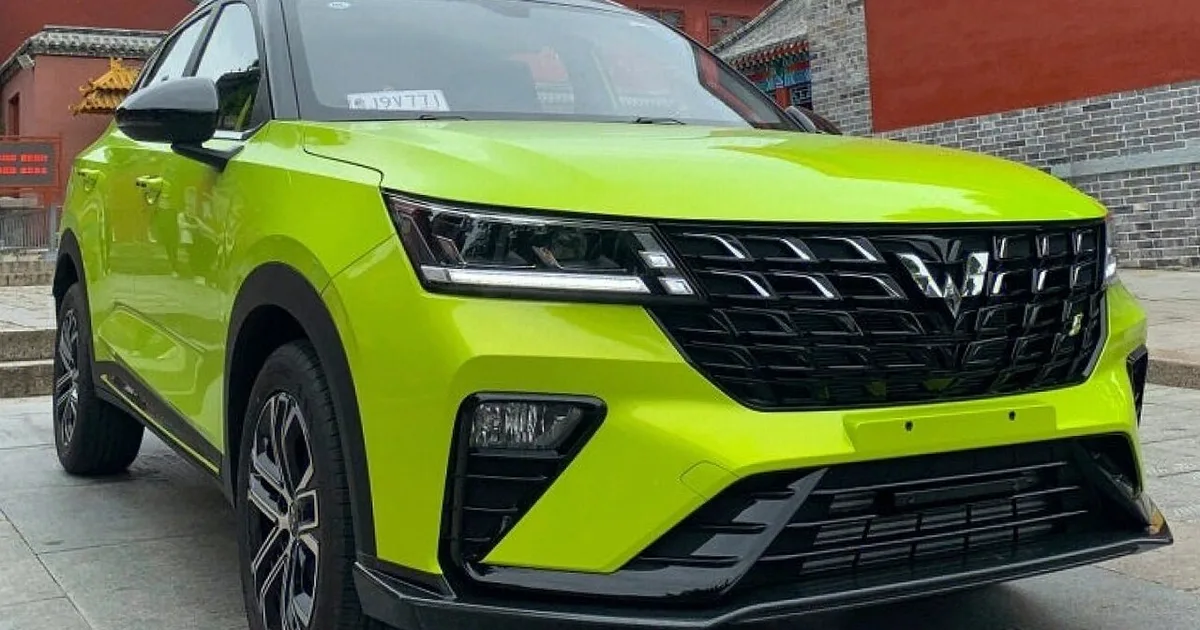
Auto defect class action lawsuits provide New Jersey residents with powerful legal remedies when vehicle manufacturers release cars with dangerous or costly defects. These cases typically arise when automakers fail to disclose known problems during the sales process, or when widespread mechanical failures affect thousands of vehicles. Common defects include faulty transmissions, emissions violations, defective airbags, brake system failures, and engine problems that can lead to sudden stalling or fires.
New Jersey consumers who purchase or lease defective vehicles often face significant financial losses, safety risks, and diminished vehicle values. Class action lawsuits allow affected residents to pool their claims against major automakers, making it economically feasible to pursue compensation that might otherwise be impossible to obtain individually. These cases frequently result in substantial settlements covering repair costs, vehicle buybacks, extended warranties, and cash payments.
The Garden State's strong consumer protection laws provide additional leverage in these disputes. New Jersey courts have consistently held automakers accountable for concealing material defects from consumers, particularly when safety issues are involved. Residents affected by vehicle recalls or experiencing recurring mechanical problems may be entitled to significant compensation through ongoing or future class action settlements.
New Jersey Law on Auto Defect Cases
New Jersey's Consumer Fraud Act (CFA), codified at N.J.S.A. 56:8-1 et seq., provides robust protections for residents harmed by auto defects. The CFA prohibits deceptive practices in vehicle sales, including the concealment of known defects, misrepresentation of vehicle safety, and fraudulent emissions certifications. Unlike federal law, New Jersey's statute allows consumers to recover treble damages and attorney's fees when manufacturers engage in knowing or willful violations.
The state's "lemon law," N.J.S.A. 56:12-29 through 56:12-49, specifically addresses defective vehicles that cannot be repaired after a reasonable number of attempts. This law provides additional remedies beyond federal warranty protections, including mandatory arbitration and vehicle replacement rights. New Jersey courts have broadly interpreted these provisions to favor consumers, particularly in cases involving safety-related defects.
The statute of limitations for auto defect claims in New Jersey is generally six years under the CFA, significantly longer than many other states. This extended timeframe allows residents to discover hidden defects and join class actions even years after purchase. Additionally, New Jersey's discovery rule may toll the limitations period until consumers become aware of the defect and its connection to manufacturer misconduct.
Notable New Jersey Auto Defect Settlements
Volkswagen Emissions Scandal (2016) — $14.7 billion settlement Volkswagen paid massive settlements to owners of diesel vehicles equipped with illegal "defeat device" software that cheated emissions tests.
Takata Airbag Defect (2015-2020) — $1.2 billion settlement Multiple automakers settled claims over defective Takata airbags that could explode and spray metal shrapnel, causing serious injuries and deaths.
GM Ignition Switch Defect (2014) — $595 million settlement General Motors compensated families and victims injured by faulty ignition switches that caused engines to shut off unexpectedly, disabling safety systems.
Ford PowerShift Transmission (2020) — $35 million settlement Ford settled claims over defective dual-clutch transmissions in Focus and Fiesta models that caused shuddering, slipping, and premature failure.
Hyundai/Kia Engine Defect (2021) — $760 million settlement The automakers compensated owners of vehicles with Theta II engines prone to catastrophic failure and fires due to manufacturing defects.
FCA EcoDiesel Emissions (2020) — $307 million settlement Fiat Chrysler settled claims over illegal emissions software in Ram 1500 and Jeep Grand Cherokee EcoDiesel vehicles.
Are New Jersey Residents Eligible?
New Jersey residents typically qualify for auto defect class actions if they purchased or leased affected vehicles from authorized dealers within the state, regardless of where the vehicle was manufactured. Eligibility generally extends to original owners, subsequent purchasers, and lessees who experienced the specific defects covered by each settlement. Some cases also include residents who purchased vehicles in other states but registered them in New Jersey.
The state's six-year statute of limitations under the Consumer Fraud Act provides a generous window for participation, often allowing residents to join settlements even for older vehicles. However, some settlements impose stricter deadlines based on purchase dates or when defects were first disclosed publicly. Residents who previously settled individual claims with manufacturers may be excluded from certain class actions.
Documentation requirements typically include proof of New Jersey residency, vehicle purchase or lease agreements, and evidence of the defect such as repair records or recall notices. Some settlements require specific vehicle identification numbers (VINs) or model years to qualify for compensation.
How New Jersey Residents File Claims
New Jersey residents can file auto defect claims through several methods, depending on the specific case and settlement structure. Many class actions allow participation through simple online claim forms that require basic vehicle and ownership information. Class Action Buddy streamlines this process by auto-filling claim forms in just 60 seconds, eliminating the tedious paperwork that often prevents consumers from seeking compensation.
For active lawsuits, residents may need to opt into the class action or file individual claims through specialized settlement websites. It's crucial to monitor recall notices from manufacturers and the National Highway Traffic Safety Administration (NHTSA), as these often trigger settlement opportunities. Residents should preserve all documentation related to vehicle problems, including repair invoices, warranty claims, and correspondence with dealers or manufacturers.
Some auto defect settlements require residents to submit claims before specific deadlines, while others automatically include all eligible vehicle owners. Class Action Buddy helps New Jersey residents stay informed about new settlements and ensures they don't miss critical filing deadlines. The platform's automated system matches residents with relevant cases based on their vehicle information and location.
Frequently Asked Questions
How long do I have to file an auto defect claim in New Jersey?
Under New Jersey's Consumer Fraud Act, you generally have six years from when you discovered or should have discovered the defect. However, specific class action settlements may impose shorter deadlines, so it's important to file as soon as you learn about a relevant settlement.
Can I join a class action if I bought my car used from a private party?
Yes, many auto defect class actions include subsequent owners, not just original purchasers. As long as you owned an affected vehicle in New Jersey and experienced the covered defects, you may be eligible regardless of whether you bought from a dealer or private party.
What compensation can I expect from an auto defect settlement in New Jersey?
Compensation varies widely but may include cash payments, free repairs, extended warranties, vehicle buybacks, or reimbursement for out-of-pocket expenses. New Jersey's Consumer Fraud Act also allows for treble damages in cases involving willful misconduct by manufacturers.
Do I need a lawyer to participate in an auto defect class action?
No, you typically don't need your own lawyer to join a class action. The case is handled by attorneys representing all class members. However, you may choose to hire individual counsel if you opt out of the class action to pursue a separate lawsuit.
Will joining a class action affect my ability to sue the manufacturer separately?
Participating in a class action settlement generally releases your right to sue separately for the same defects. However, you can usually opt out of class actions to preserve your right to file an individual lawsuit under New Jersey law.
New Jersey residents affected by auto defects shouldn't navigate complex class action settlements alone. With the state's strong Consumer Fraud Act protections and extended statute of limitations, Garden State consumers have powerful legal tools to recover compensation for defective vehicles. However, settlement deadlines and eligibility requirements can be complicated and unforgiving.
Class Action Buddy simplifies the entire process, automatically matching New Jersey residents with relevant auto defect settlements and completing claim forms in just 60 seconds. Don't let paperwork prevent you from recovering money you deserve for vehicle problems, safety defects, or emissions violations. Join thousands of New Jersey residents who have already used Class Action Buddy to secure their auto defect compensation.
