Auto Defect Class Action Lawsuits in South Carolina
Last updated April 30, 2026 · By Class Action Buddy
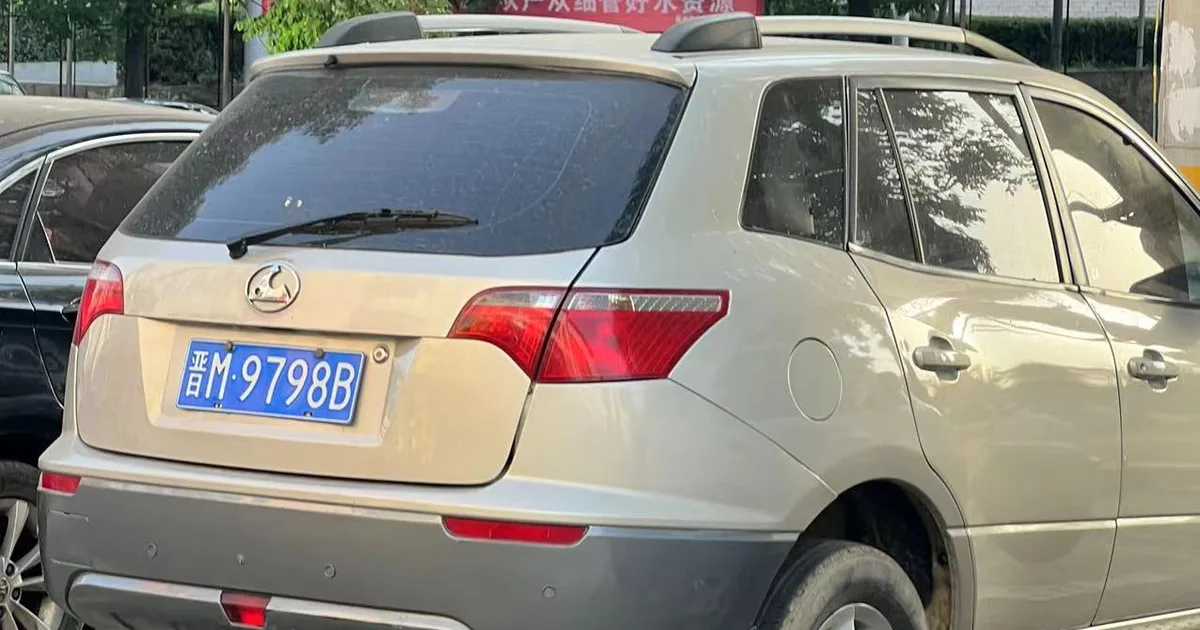
Auto defect class action lawsuits in South Carolina protect consumers who purchased or leased vehicles with hidden manufacturing flaws, safety issues, or undisclosed problems. These cases typically arise when automakers fail to disclose known defects, delay necessary recalls, or market vehicles with faulty components like defective transmissions, emissions systems, or safety features.
South Carolina residents have been affected by numerous auto defect settlements involving major manufacturers including Toyota, Ford, General Motors, Volkswagen, and others. Common issues include transmission failures, unintended acceleration, emissions cheating scandals, faulty airbags, and engine defects that compromise vehicle safety and performance.
These lawsuits seek compensation for diminished vehicle value, repair costs, safety risks, and sometimes personal injury damages. Class actions allow individual consumers to band together against well-funded automotive corporations, creating leverage that individual plaintiffs typically cannot achieve alone. South Carolina's consumer protection laws provide additional remedies beyond federal regulations, giving residents multiple avenues for relief when automakers fail to honor their obligations to produce safe, reliable vehicles.
South Carolina Law on Auto Defect Cases
South Carolina's Unfair Trade Practices Act (SCUTPA), codified at S.C. Code Ann. § 39-5-10 et seq., provides robust protection for consumers harmed by auto defects. The statute prohibits unfair or deceptive acts in trade or commerce, including misrepresentations about vehicle quality, safety, or performance. SCUTPA allows consumers to recover actual damages, and in cases of willful violations, treble damages plus reasonable attorney fees.
The statute of limitations for SCUTPA claims is three years from discovery of the unfair practice, giving South Carolina residents reasonable time to identify hidden defects. This is particularly important in auto defect cases where problems may not manifest until years after purchase.
South Carolina also follows the Magnuson-Moss Warranty Act for federal warranty claims, and recognizes implied warranty protections under state law. The state's lemon law, found in S.C. Code Ann. § 56-28-10 et seq., provides additional remedies for vehicles with substantial defects that impair use, value, or safety. Unlike some states, South Carolina's consumer protection framework doesn't require proof of intent to deceive, making it easier for auto defect victims to recover damages when manufacturers fail to disclose known problems.
Notable South Carolina Auto Defect Settlements
Volkswagen Emissions Settlement (2016) — $14.7 billion settlement Compensated owners of diesel vehicles equipped with illegal "defeat device" software that cheated emissions testing.
Takata Airbag Settlement (2017) — $553 million settlement Covered defective airbag inflators that could explode and send metal shrapnel into vehicle cabins across multiple manufacturers.
Ford PowerShift Transmission Settlement (2019) — $35 million settlement Resolved claims over defective dual-clutch transmissions causing shuddering, slipping, and premature failure.
Toyota Unintended Acceleration Settlement (2013) — $1.6 billion settlement Addressed sudden acceleration issues in various Toyota and Lexus models that allegedly caused accidents and deaths.
General Motors Ignition Switch Settlement (2015) — $595 million settlement Compensated victims of faulty ignition switches that could shut off engines and disable safety systems while driving.
Hyundai/Kia Engine Defect Settlement (2020) — $758 million settlement Covered engine failures and fires in multiple Hyundai and Kia models due to manufacturing defects.
Are South Carolina Residents Eligible?
South Carolina residents typically qualify for auto defect class actions if they purchased or leased affected vehicles within the state, regardless of where the vehicle was manufactured. Eligibility usually extends to both original purchasers and subsequent owners, though compensation may vary based on ownership timing and documentation.
Key qualification factors include proof of South Carolina residency at time of purchase, vehicle registration, and purchase documentation. Some settlements require retention of the vehicle through specific dates, while others compensate past owners. The three-year statute of limitations under SCUTPA begins when residents discover or reasonably should have discovered the defect, not the purchase date.
Residents who experienced specific symptoms like transmission failure, emissions issues, or safety defects typically receive higher compensation than those with potential exposure only. Military personnel stationed in South Carolina often qualify even if claiming residency elsewhere. Class members usually cannot pursue individual litigation once they accept settlement benefits, making careful evaluation of settlement terms crucial before participation.
How South Carolina Residents File Claims
South Carolina residents can file auto defect claims through several channels depending on case status. For active class actions, residents typically join by submitting claim forms during designated filing periods, usually ranging from 60 days to several months after preliminary approval.
Class Action Buddy streamlines this process by auto-filling complex claim forms in just 60 seconds, eliminating common errors that delay payments. The platform identifies eligible South Carolina residents based on vehicle information and guides them through documentation requirements including proof of purchase, repair records, and residency verification.
For new potential cases, residents should document defect symptoms, preserve repair records, and avoid admitting fault in manufacturer communications. South Carolina's SCUTPA allows individual lawsuits, but class actions typically provide more cost-effective relief for widespread defects. Residents should act quickly as some settlements impose strict deadlines, and delay can forfeit rights to compensation even in meritorious cases.
Frequently Asked Questions
How long do South Carolina residents have to file auto defect claims?
Under South Carolina's Unfair Trade Practices Act, residents have three years from discovering the defect to file claims. Class action settlements typically provide 60-120 days to submit claim forms after court approval.
Can I join a class action if I bought my car used in South Carolina?
Yes, most auto defect settlements include subsequent owners who purchased used vehicles, though compensation amounts may differ from original purchasers. Documentation of South Carolina purchase and registration is typically required.
What compensation can South Carolina residents expect from auto defect settlements?
Compensation varies widely based on defect severity and impact. Common remedies include cash payments, free repairs, extended warranties, or vehicle buybacks. Residents with documented repair costs or safety incidents typically receive higher amounts.
Do I need a lawyer to file auto defect claims in South Carolina?
Class action settlements usually allow direct filing without individual attorneys. However, South Carolina's consumer protection laws may provide additional individual remedies that require legal counsel to pursue effectively.
Can South Carolina residents opt out of class actions to file individual lawsuits?
Yes, residents can typically opt out during specified periods to preserve individual lawsuit rights under SCUTPA or other state laws. This decision should consider potential individual damages versus guaranteed class benefits.
South Carolina residents affected by auto defects have strong legal protections under state and federal law. The state's Unfair Trade Practices Act provides meaningful remedies, while class action settlements offer practical compensation without lengthy litigation costs.
Time limits are critical in these cases, making prompt action essential. Class Action Buddy simplifies the claims process by instantly completing complex forms and identifying eligible settlements for South Carolina residents.
Don't let automotive manufacturers avoid accountability for defective vehicles. Use Class Action Buddy today to check your eligibility and file claims in just 60 seconds, ensuring you receive the compensation you deserve.
