Banking & Finance Class Action Lawsuits in Kansas
Last updated April 30, 2026 · By Class Action Buddy
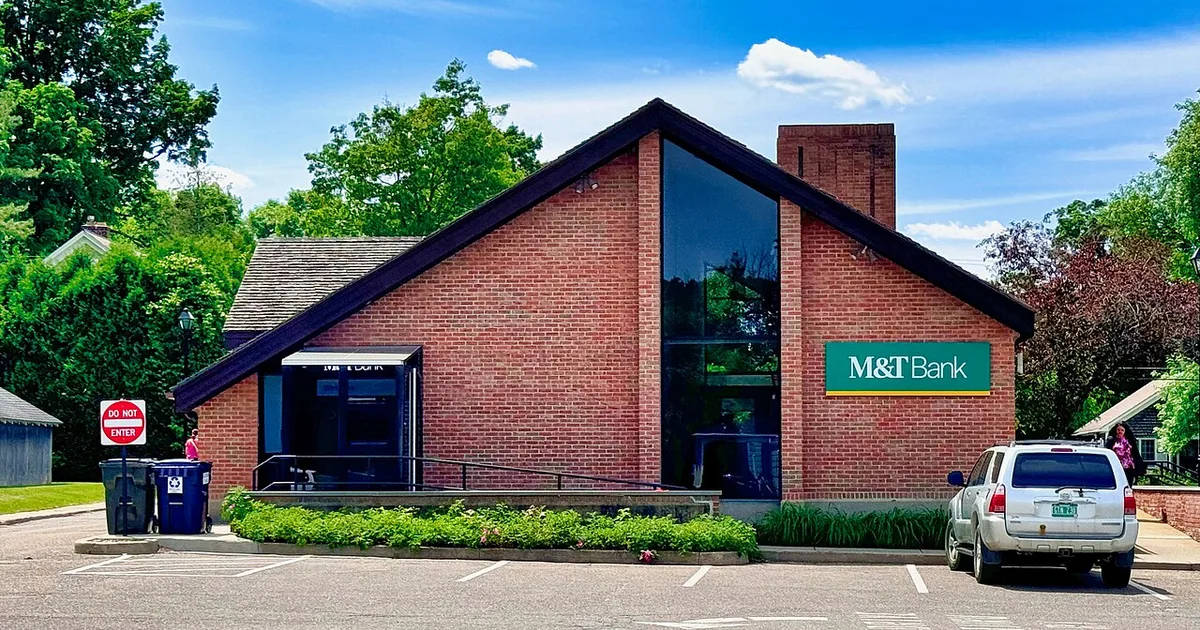
Banking and finance class action lawsuits in Kansas provide crucial protection for consumers facing unfair practices by financial institutions. These cases typically arise when banks, credit card companies, mortgage lenders, or other financial service providers engage in deceptive practices that harm large groups of consumers simultaneously.
Common issues include excessive overdraft fees, unauthorized credit card charges, predatory lending practices, and violations of federal banking regulations. Kansas residents frequently encounter problems with banks charging multiple overdraft fees on the same transaction, imposing excessive mortgage servicing fees, or failing to properly disclose credit card terms and interest rates.
These lawsuits affect everyday Kansans who maintain checking accounts, use credit cards, or have mortgages with major financial institutions. The damages often involve millions of consumers nationwide, with Kansas residents representing a significant portion of affected parties. Banking and finance class actions help level the playing field between individual consumers and powerful financial corporations that might otherwise escape accountability for widespread harmful practices.
Kansas Law on Banking & Finance Cases
Kansas consumer protection law provides significant safeguards against deceptive banking and finance practices through the Kansas Consumer Protection Act (KCPA), codified at K.S.A. § 50-623 et seq. This statute prohibits deceptive and unconscionable acts in consumer transactions, including banking services, credit arrangements, and mortgage lending. The KCPA allows consumers to recover actual damages, attorney fees, and in some cases punitive damages for violations.
The statute of limitations for KCPA claims is typically three years from discovery of the deceptive practice, providing Kansas residents reasonable time to identify and pursue banking violations. Kansas courts have interpreted the KCPA broadly to cover various financial services, including overdraft fee practices, credit card billing errors, and mortgage servicing violations.
Kansas also enforces the Uniform Consumer Credit Code (UCCC) under K.S.A. § 16a-1-101 et seq., which regulates consumer credit transactions and provides additional protection against predatory lending. The state's usury laws cap interest rates on certain loans, while Kansas mortgage regulations require specific disclosure procedures. These state-specific protections work alongside federal banking laws to create comprehensive consumer safeguards for Kansas residents pursuing class action claims against financial institutions.
Notable Kansas Banking & Finance Settlements
Bank of America Overdraft Fee Litigation (2011) — $410 million settlement Bank of America agreed to settle claims over reordering debit card transactions to maximize overdraft fees charged to customers.
Wells Fargo Fake Accounts Scandal (2020) — $3 billion settlement Wells Fargo settled federal charges and class actions over creating millions of unauthorized customer accounts to meet sales goals.
Capital One Data Breach Settlement (2021) — $190 million settlement Capital One settled claims after a 2019 data breach exposed personal information of over 100 million customers and credit applicants.
JPMorgan Chase Overdraft Fee Litigation (2012) — $110 million settlement Chase settled claims over posting transactions in high-to-low order to maximize overdraft fees rather than chronological order.
Citibank Identity Theft Protection Settlement (2014) — $18 million settlement Citibank settled claims over charging customers for identity theft protection services that provided little actual benefit.
Navy Federal Credit Union Overdraft Settlement (2019) — $28.5 million settlement Navy Federal settled claims over charging overdraft fees on ATM and debit card transactions without proper consumer consent.
SunTrust/Truist Overdraft Fee Settlement (2021) — $28 million settlement SunTrust (now Truist) settled claims over improper assessment of overdraft fees on insufficient fund transactions.
Are Kansas Residents Eligible?
Kansas residents typically qualify for banking and finance class action settlements if they were customers of the defendant financial institution during specified time periods and experienced the harmful practices alleged in the lawsuit. Eligibility often requires having a checking account, credit card, mortgage, or other financial product with the institution during the class period.
For overdraft fee cases, Kansas residents must demonstrate they were charged the disputed fees during the relevant timeframe. Credit card settlements usually require showing account activity and fee assessments during specified periods. Mortgage-related class actions typically require property ownership or loan activity in Kansas during the class period.
The three-year statute of limitations under Kansas Consumer Protection Act may limit eligibility for older violations, though the discovery rule can extend this period. Some settlements have geographic restrictions, but most major banking class actions include Kansas residents. Documentation such as account statements, fee disclosures, and correspondence with the financial institution can strengthen eligibility claims and increase potential recovery amounts for qualified Kansas participants.
How Kansas Residents File Claims
Kansas residents can file banking and finance class action claims through several methods, depending on the specific case and settlement terms. Many settlements allow online claim submission through dedicated settlement websites established by court-approved administrators. These websites typically require basic personal information, account details, and documentation of the alleged harm or fees.
Traditional paper claim forms remain available for Kansas residents preferring mail submission. These forms require similar information but must be postmarked by specific deadlines. Supporting documentation such as bank statements, fee notices, or account histories can strengthen claims and potentially increase recovery amounts.
Class Action Buddy streamlines this process by auto-filling claim forms in just 60 seconds, eliminating the tedious manual entry typically required. The platform identifies eligible settlements for Kansas residents, gathers necessary information, and submits properly completed forms before deadlines. This automated approach reduces errors and ensures Kansas residents don't miss claiming compensation from multiple banking settlements.
Legal representation isn't required for most banking class action claims, as settlement administrators handle distribution. However, Kansas residents with significant damages or complex situations may benefit from consulting consumer protection attorneys familiar with state and federal banking regulations.
Frequently Asked Questions
What banking practices commonly result in class action lawsuits affecting Kansas residents?
Common practices include excessive overdraft fees, reordering transactions to maximize fees, unauthorized account creation, improper mortgage servicing charges, credit card interest rate manipulation, and data breaches exposing customer information.
How long do Kansas residents have to join banking class action settlements?
Claim deadlines vary by settlement but typically range from 60-180 days after court approval. Kansas's three-year statute of limitations under the Consumer Protection Act applies to new lawsuits, but existing settlements have their own specific deadlines.
Do Kansas residents need to prove actual damages to qualify for banking class action settlements?
Requirements vary by case. Some settlements provide automatic payments to all class members, while others require proof of specific fees or damages. Documentation like bank statements helps establish eligibility and may increase recovery amounts.
Can Kansas residents opt out of banking class action settlements to file individual lawsuits?
Yes, Kansas residents typically have 60-90 days to opt out after receiving class notice. Opting out preserves the right to file individual lawsuits but forfeits automatic settlement benefits and may involve significant litigation costs and risks.
Are banking class action settlements taxable income for Kansas residents?
Tax treatment depends on the settlement's nature. Compensatory damages for actual losses are typically not taxable, while punitive damages or interest payments may be taxable. Kansas residents should consult tax professionals for specific situations and maintain settlement documentation.
Banking and finance class action lawsuits provide essential protection for Kansas consumers against unfair financial practices. These cases recover millions in compensation while forcing institutional changes that benefit all consumers. With complex claim procedures and tight deadlines, Kansas residents need efficient tools to identify and pursue eligible settlements.
Class Action Buddy simplifies this process by automatically identifying relevant settlements, completing claim forms in 60 seconds, and ensuring timely submission. Don't let banks profit from unfair practices—use Class Action Buddy to claim your rightful compensation today.