Employment & Wage Class Action Lawsuits in Hawaii
Last updated April 30, 2026 · By Class Action Buddy
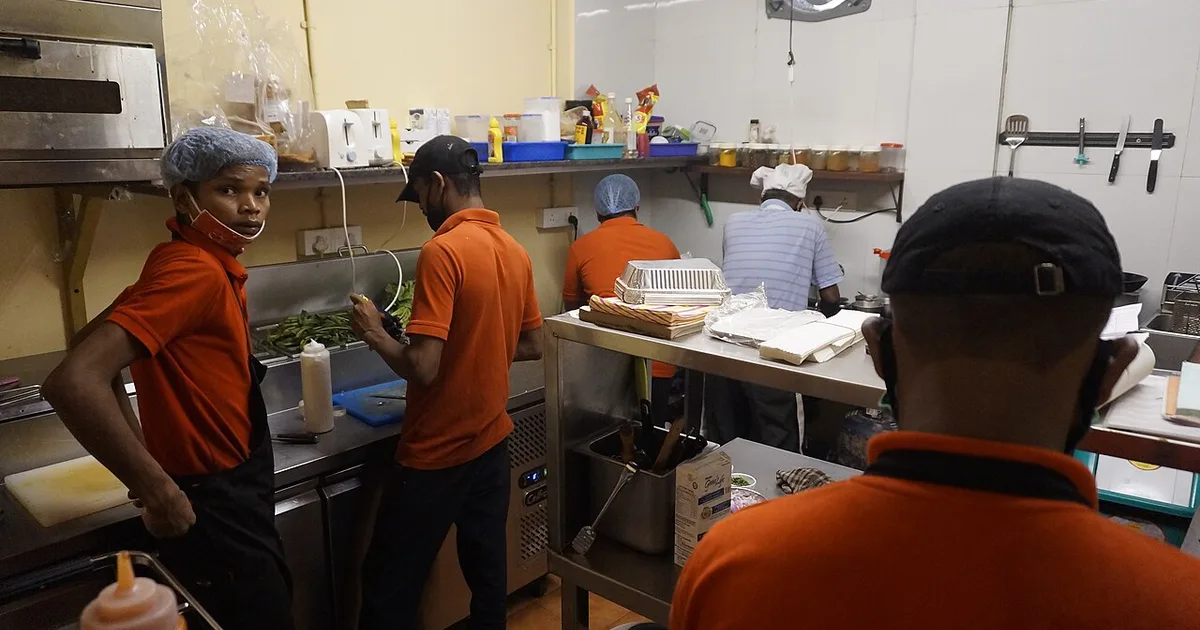
Employment and wage class action lawsuits in Hawaii protect workers from unfair labor practices that violate federal and state employment laws. These cases typically arise when employers engage in wage theft, fail to pay proper overtime compensation, misclassify employees as independent contractors, or violate break and meal period requirements under the Fair Labor Standards Act (FLSA) and Hawaii state labor laws.
Hawaii's diverse workforce, spanning tourism, agriculture, healthcare, and service industries, faces unique employment challenges. Workers in hotels, restaurants, retail establishments, and agricultural operations are frequently affected by wage violations. Common issues include unpaid overtime hours, failure to provide legally required rest breaks, improper tip pooling practices, and misclassification schemes that deny workers benefits and protections.
These class action lawsuits serve as powerful tools for Hawaii workers to recover unpaid wages collectively. By joining together, employees can share legal costs and hold employers accountable for systematic labor violations that might otherwise go unaddressed due to individual workers' limited resources.
Hawaii Law on Employment & Wage Cases
Hawaii's employment laws provide robust protections for workers beyond federal requirements. The Hawaii Wage and Hour Law (HRS Chapter 387) establishes minimum wage standards, overtime requirements, and mandates specific rest and meal periods. Hawaii requires a 30-minute meal break for shifts exceeding five hours and prohibits employers from requiring employees to work more than seven consecutive days without a day off.
Under Hawaii's Unfair and Deceptive Acts and Practices statute (HRS Chapter 480), workers can pursue additional remedies for deceptive employment practices. This consumer protection law allows for enhanced damages and attorney fees when employers engage in unfair business practices related to wages or working conditions.
The statute of limitations for wage claims in Hawaii is generally six years under state law, which is longer than the typical two-year FLSA period (three years for willful violations). Hawaii also maintains strict record-keeping requirements for employers and provides whistleblower protections for employees who report wage violations. The state's Department of Labor and Industrial Relations actively enforces these provisions and can investigate complaints independently.
What we can verify about Hawaii Employment & Wage settlements
We removed a list we could not stand behind. This page used to name specific & wage settlements with years and dollar amounts. Checking five of them found only one correct, so rather than repeat the rest we took them down.
Here is the part that actually answers the question. Class actions are almost always federal or multi-state. A settlement that covers Hawaii residents nearly always covers residents of every other state as well, and living in Hawaii rarely decides whether you can claim. What decides it is whether you bought the product, held the account, used the service or received the notice, during the class period the court approved.
Where Hawaii can matter is at the edges: a handful of settlements are limited to one state because the claim rests on that state’s own consumer statute, and a few pay residents of some states more than others. Those restrictions are always stated on the official claim form, and we list them per settlement rather than per state.
For settlements that are genuinely open right now, each one checked against the court-appointed administrator, see our list of open settlements or our guide to settlements with no proof of purchase. If you want to know which have actually cleared final approval and are paying, we track that in which settlements are paying out now.
Are Hawaii Residents Eligible?
Hawaii residents who experienced wage violations within the past six years under state law (or two to three years under federal FLSA) may be eligible to join employment class action lawsuits. Eligibility typically includes current and former employees who were denied proper wages, overtime compensation, required breaks, or were misclassified as independent contractors.
Workers in Hawaii's major industries—including hospitality, retail, healthcare, agriculture, and food service—are frequently eligible for these claims. You may qualify if you worked for companies that engaged in systematic wage violations affecting multiple employees similarly situated in terms of job duties, pay structure, or working conditions.
Hawaii's extended six-year statute of limitations for state wage claims provides longer eligibility periods than many other states. However, federal FLSA claims must typically be filed within two years (three for willful violations). Documentation such as pay stubs, time records, and employment agreements can strengthen your eligibility, though Hawaii law places record-keeping obligations primarily on employers rather than employees.
How Hawaii Residents File Claims
Filing employment and wage class action claims in Hawaii begins with identifying whether you experienced systematic wage violations that likely affected other similarly situated workers. Hawaii residents should gather employment documentation including pay stubs, time records, employment contracts, and any communications regarding wages, schedules, or job classification.
Class action lawsuits in Hawaii can be filed in either state or federal court, depending on whether claims arise under Hawaii state labor laws, federal FLSA provisions, or both. Hawaii's extended statute of limitations and strong state wage protections often make state court filings advantageous for workers. Many employment class actions are filed as collective actions under FLSA, requiring other affected workers to "opt in" to join the case.
The process involves connecting with experienced employment attorneys who specialize in Hawaii wage and hour law. These lawyers typically work on contingency fee arrangements, meaning workers pay no upfront costs. Class Action Buddy streamlines this process by auto-filling complex legal forms in just 60 seconds, connecting Hawaii workers with qualified attorneys who can evaluate their potential claims and determine the best legal strategy for their specific situation.
Frequently Asked Questions
What types of wage violations are common in Hawaii employment class actions?
Common violations include unpaid overtime, meal and rest break denials, tip pooling violations, employee misclassification, and failure to pay minimum wage. Hawaii's tourism and service industries frequently see cases involving irregular scheduling and break period violations.
How long do I have to file an employment claim in Hawaii?
Hawaii state wage claims have a six-year statute of limitations, while federal FLSA claims must typically be filed within two years (three for willful violations). The longer state timeline often provides better recovery opportunities for Hawaii workers.
Can I join a class action if I'm no longer employed by the company?
Yes, former employees who experienced wage violations during the relevant time period can join class actions. Hawaii law protects both current and former employees, and many successful cases include workers who have since left the company.
What damages can I recover in a Hawaii employment class action?
Potential recoveries include unpaid wages, overtime compensation, liquidated damages, interest, and attorney fees. Hawaii's consumer protection laws may provide additional remedies for deceptive employment practices beyond standard wage recovery.
Do I need documentation to join an employment class action in Hawaii?
While helpful, extensive documentation isn't required. Hawaii law places record-keeping obligations on employers. Pay stubs, work schedules, and employment agreements strengthen your case, but attorneys can often obtain employer records through the legal process.
Employment and wage class action lawsuits provide Hawaii workers with essential protections against systematic labor violations. With Hawaii's strong state employment laws and extended statute of limitations, workers have significant opportunities to recover unpaid wages and hold employers accountable for unfair practices.
Don't let wage theft go unaddressed. Class Action Buddy makes it simple for Hawaii residents to connect with qualified employment attorneys and pursue the compensation they deserve. Our platform auto-fills legal forms in 60 seconds, streamlining the process of joining class action lawsuits and fighting for workplace justice.
