Employment & Wage Class Action Lawsuits in Oklahoma
Last updated April 30, 2026 · By Class Action Buddy
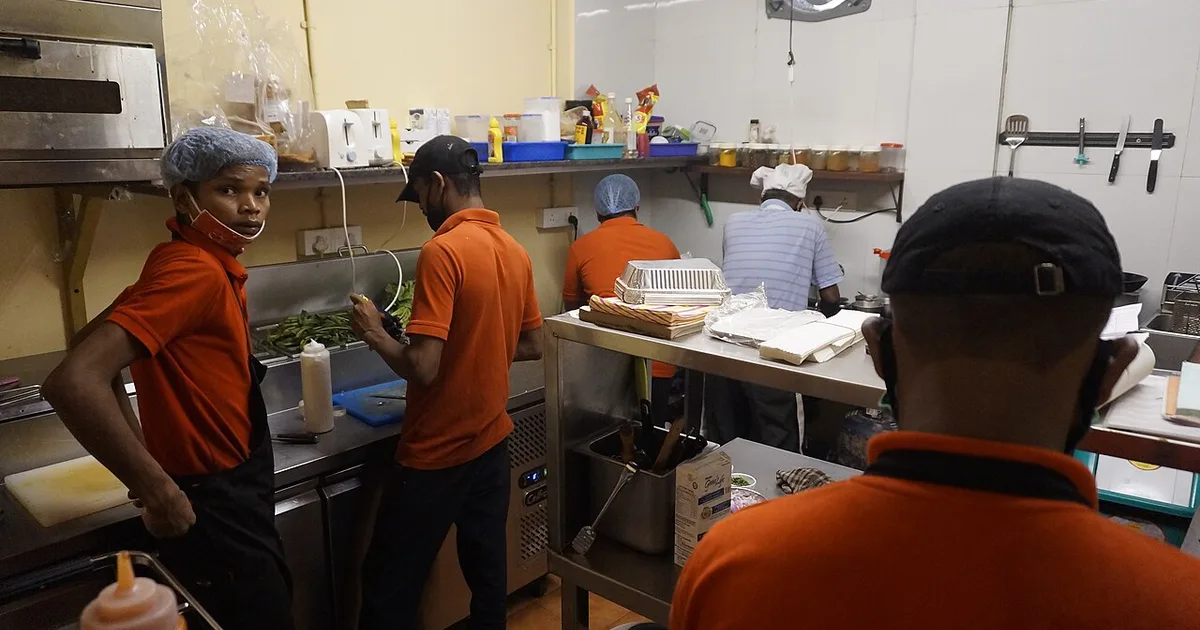
Employment and wage class action lawsuits in Oklahoma protect workers from illegal pay practices that violate federal and state labor laws. These cases arise when employers engage in wage theft, deny proper overtime compensation, misclassify employees as independent contractors, or fail to provide required meal and rest breaks. Common violations include unpaid overtime under the Fair Labor Standards Act (FLSA), off-the-clock work requirements, and tip pooling violations.
Oklahoma workers across various industries face these issues, from restaurant servers and retail employees to healthcare workers and construction laborers. Large corporations and small businesses alike may violate wage laws, often affecting hundreds or thousands of employees simultaneously.
Class action lawsuits allow affected workers to band together and seek compensation for stolen wages, unpaid overtime, and other labor law violations. These cases help level the playing field against employers with substantial legal resources while ensuring workers receive the compensation they legally earned through their labor.
Oklahoma Law on Employment & Wage Cases
Oklahoma follows federal wage and hour laws under the FLSA but lacks a comprehensive state minimum wage law, defaulting to the federal minimum wage. The state's primary consumer protection statute, the Oklahoma Consumer Protection Act (OCPA), can apply to employment-related deceptive practices, though it's primarily used for consumer transactions rather than employment disputes.
Oklahoma's statute of limitations for wage claims is typically three years under federal law, or two years for non-willful violations. The state follows at-will employment principles but recognizes certain exceptions for public policy violations. Oklahoma doesn't have specific biometric privacy laws like Illinois's BIPA, but workers may still have privacy rights under federal laws.
The state's Workers' Compensation Act provides some employment protections, and the Oklahoma Employment Security Act governs unemployment benefits. However, most wage theft and overtime cases rely on federal FLSA protections rather than state-specific wage laws. Oklahoma courts generally follow federal precedent for employment class actions, making FLSA claims the primary vehicle for wage theft recovery in the state.
What we can verify about Oklahoma Employment & Wage settlements
We removed a list we could not stand behind. This page used to name specific & wage settlements with years and dollar amounts. Checking five of them found only one correct, so rather than repeat the rest we took them down.
Here is the part that actually answers the question. Class actions are almost always federal or multi-state. A settlement that covers Oklahoma residents nearly always covers residents of every other state as well, and living in Oklahoma rarely decides whether you can claim. What decides it is whether you bought the product, held the account, used the service or received the notice, during the class period the court approved.
Where Oklahoma can matter is at the edges: a handful of settlements are limited to one state because the claim rests on that state’s own consumer statute, and a few pay residents of some states more than others. Those restrictions are always stated on the official claim form, and we list them per settlement rather than per state.
For settlements that are genuinely open right now, each one checked against the court-appointed administrator, see our list of open settlements or our guide to settlements with no proof of purchase. If you want to know which have actually cleared final approval and are paying, we track that in which settlements are paying out now.
Are Oklahoma Residents Eligible?
Oklahoma residents who experienced wage theft, unpaid overtime, or employee misclassification within the past two to three years may be eligible for class action compensation. Eligibility typically requires working for a defendant company during specified time periods and experiencing similar wage violations as other class members.
Common qualifying violations include working over 40 hours without overtime pay, performing off-the-clock work, being misclassified as an independent contractor, or having tips illegally pooled or distributed. Restaurant workers, retail employees, healthcare staff, and manual laborers frequently qualify for these cases.
Oklahoma's statute of limitations generally allows claims for violations occurring within three years for willful violations or two years for non-willful violations under the FLSA. However, some settlements may cover longer time periods depending on the specific case circumstances and state law applications.
How Oklahoma Residents File Claims
Oklahoma workers can file employment and wage class action claims by joining existing lawsuits or initiating new cases through qualified employment attorneys. The process begins with documenting wage violations, including pay stubs, work schedules, and records of unpaid overtime or off-the-clock work requirements.
Workers should gather evidence of their employment relationship, hours worked, and any communications regarding pay practices. Time records, employee handbooks, and witness statements from coworkers can strengthen claims. Many employment attorneys work on contingency fees, meaning workers pay nothing unless they recover compensation.
Class Action Buddy streamlines this process by auto-filling required forms in just 60 seconds, helping Oklahoma workers quickly join eligible class actions or submit initial claim information. The platform connects workers with qualified attorneys and tracks relevant case developments.
Filing deadlines vary by case, but workers should act promptly due to statutes of limitations and class certification deadlines that may limit participation in ongoing settlements.
Frequently Asked Questions
What types of workers in Oklahoma can file wage theft class actions?
Any Oklahoma employee who experienced unpaid wages, overtime violations, or misclassification can potentially join class actions, including restaurant workers, retail employees, healthcare staff, and manual laborers across all industries.
How long do Oklahoma workers have to file wage theft claims?
Under federal FLSA law, Oklahoma workers typically have two years for non-willful violations or three years for willful wage violations, though specific class action deadlines may vary by case.
Can independent contractors in Oklahoma join wage class actions?
Independent contractors wrongly misclassified as such rather than employees may join class actions seeking reclassification and unpaid wages, overtime, and benefits they should have received as employees.
What evidence do Oklahoma workers need for wage theft cases?
Workers should gather pay stubs, time records, work schedules, employee handbooks, and documentation of unpaid overtime, off-the-clock work, or other wage violations to support their claims.
Do Oklahoma wage class actions cost money to join?
Most employment class actions work on contingency fees, meaning workers pay attorney fees only if they recover compensation, and joining existing class actions typically costs nothing upfront.
Oklahoma workers deserve fair compensation for their labor, and class action lawsuits provide powerful tools to recover stolen wages and hold employers accountable. Whether you've experienced unpaid overtime, off-the-clock work requirements, or employee misclassification, you may be entitled to significant compensation through ongoing or future class actions.
Don't let statute of limitations deadlines prevent you from recovering what you've earned. Class Action Buddy makes joining employment class actions simple and fast, connecting Oklahoma workers with qualified attorneys and eligible cases in just 60 seconds.
