Food & Beverage Class Action Lawsuits in Hawaii
Last updated April 30, 2026 · By Class Action Buddy
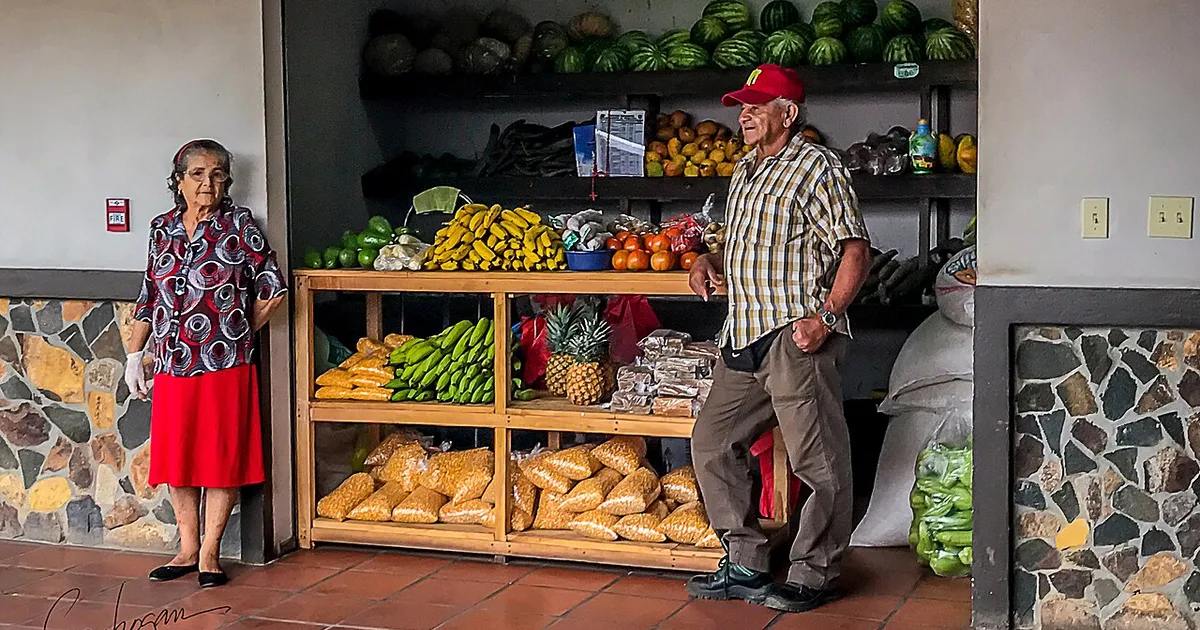
Food and beverage class action lawsuits in Hawaii typically arise when companies mislead consumers about product contents, safety, or health benefits. These cases often involve false advertising claims, undisclosed ingredients, contamination issues, or products that don't match their marketing promises. Hawaii residents frequently find themselves affected by national food safety scandals and mislabeling schemes.
Common issues include products marketed as "natural" or "organic" that contain artificial ingredients, foods contaminated with harmful substances, and beverages that misrepresent their nutritional content. Companies may face lawsuits when their products cause illness, allergic reactions, or simply don't deliver what's promised on the label.
Hawaii consumers are particularly vulnerable to these issues due to the state's reliance on imported food products and the premium prices often charged for supposedly healthier alternatives. When companies violate food labeling laws or fail to properly warn about contamination risks, class action lawsuits help hold them accountable while providing compensation to affected residents.
Hawaii Law on Food & Beverage Cases
Hawaii's consumer protection framework for food and beverage cases centers on the Unfair or Deceptive Acts or Practices (UDAP) statute under Hawaii Revised Statutes Chapter 480. This law prohibits false advertising and deceptive business practices, including misleading food labeling and contamination cover-ups. Violations can result in both actual damages and statutory penalties for affected consumers.
The statute of limitations for most consumer protection claims in Hawaii is four years from when the violation occurred or should have been discovered. This gives Hawaii residents substantial time to join class actions involving food contamination or mislabeling discovered after purchase.
Hawaii's unique geographic isolation creates additional consumer protection concerns around food safety and accurate labeling. The state's Department of Health maintains strict food safety regulations, and violations of these standards can support consumer class action claims. Hawaii courts have recognized that consumers pay premium prices for quality food products and deserve accurate information about ingredients and safety. The state's consumer protection laws work alongside federal FDA regulations to ensure companies cannot mislead Hawaii residents about food and beverage products through false marketing or inadequate safety measures.
What we can verify about Hawaii Food & Beverage settlements
We removed a list we could not stand behind. This page used to name specific & beverage settlements with years and dollar amounts. Checking five of them found only one correct, so rather than repeat the rest we took them down.
Here is the part that actually answers the question. Class actions are almost always federal or multi-state. A settlement that covers Hawaii residents nearly always covers residents of every other state as well, and living in Hawaii rarely decides whether you can claim. What decides it is whether you bought the product, held the account, used the service or received the notice, during the class period the court approved.
Where Hawaii can matter is at the edges: a handful of settlements are limited to one state because the claim rests on that state’s own consumer statute, and a few pay residents of some states more than others. Those restrictions are always stated on the official claim form, and we list them per settlement rather than per state.
For settlements that are genuinely open right now, each one checked against the court-appointed administrator, see our list of open settlements or our guide to settlements with no proof of purchase. If you want to know which have actually cleared final approval and are paying, we track that in which settlements are paying out now.
Are Hawaii Residents Eligible?
Hawaii residents who purchased qualifying food or beverage products during specified class periods typically qualify for settlements. Eligibility usually requires proof of purchase within Hawaii, though some settlements accept alternative proof like affidavits or loyalty card records when receipts aren't available.
The four-year statute of limitations under Hawaii's UDAP statute means residents must generally file claims within four years of discovering the alleged deception. However, class action settlements often extend this timeline, allowing claims for purchases made several years before the lawsuit filing.
Specific eligibility varies by case but commonly includes Hawaii residents who bought the product for personal use, not resale. Some settlements require minimum purchase amounts or exclude purchases made with significant discounts. Hawaii's consumer protection laws ensure residents can recover both actual damages and statutory penalties, making even small individual purchases potentially valuable in aggregate settlements.
How Hawaii Residents File Claims
Filing food and beverage class action claims in Hawaii starts with determining whether you qualify for existing settlements or need to join pending litigation. Most established settlements allow Hawaii residents to file claims online through settlement administrators' websites, requiring basic purchase information and contact details.
For active cases, Hawaii residents can join by contacting class counsel or monitoring court filings for opt-out deadlines. Hawaii's consumer protection laws ensure residents maintain rights to individual lawsuits if they choose to exclude themselves from class actions, though this requires timely opt-out notices.
Class Action Buddy streamlines this process by auto-filling settlement claim forms in just 60 seconds. The platform identifies relevant cases for Hawaii residents and handles the paperwork automatically, ensuring you don't miss filing deadlines or settlement opportunities.
Documentation helps but isn't always required - many settlements accept alternative proof of purchase. Hawaii residents should monitor recall notices and food safety alerts, as these often precede class action lawsuits offering compensation for affected products.
Frequently Asked Questions
Do I need receipts to join food class actions in Hawaii?
While receipts help, many settlements accept alternative proof like credit card statements, store loyalty records, or sworn affidavits confirming purchases within Hawaii during the class period.
How long do Hawaii residents have to file food safety claims?
Hawaii's four-year statute of limitations applies to consumer protection claims, but individual settlement deadlines vary. Most food and beverage settlements provide 90-180 days to file claims after court approval.
Can Hawaii residents join mainland food contamination lawsuits?
Yes, if you purchased affected products in Hawaii during the class period. Many national food recalls and mislabeling cases include Hawaii residents who bought products through major retailers or online.
What damages can Hawaii food class action members recover?
Typical recoveries include purchase price refunds, premium price differences for mislabeled products, and sometimes additional statutory damages under Hawaii's consumer protection laws.
Are organic food mislabeling cases common in Hawaii?
Yes, Hawaii's health-conscious market creates frequent litigation over 'natural,' 'organic,' and wellness claims. The state's premium food prices make mislabeling particularly harmful to consumers.
Food and beverage class actions provide Hawaii residents crucial protection against corporate deception and contamination risks. With the state's reliance on imported products and premium pricing for healthy alternatives, accurate labeling and safety compliance are essential consumer rights.
Don't let filing deadlines pass while companies profit from misleading Hawaii consumers. Class Action Buddy identifies relevant settlements and completes your claim forms in 60 seconds, ensuring you receive deserved compensation for defective or mislabeled food products purchased in Hawaii.
