Food & Beverage Class Action Lawsuits in Missouri
Last updated April 30, 2026 · By Class Action Buddy
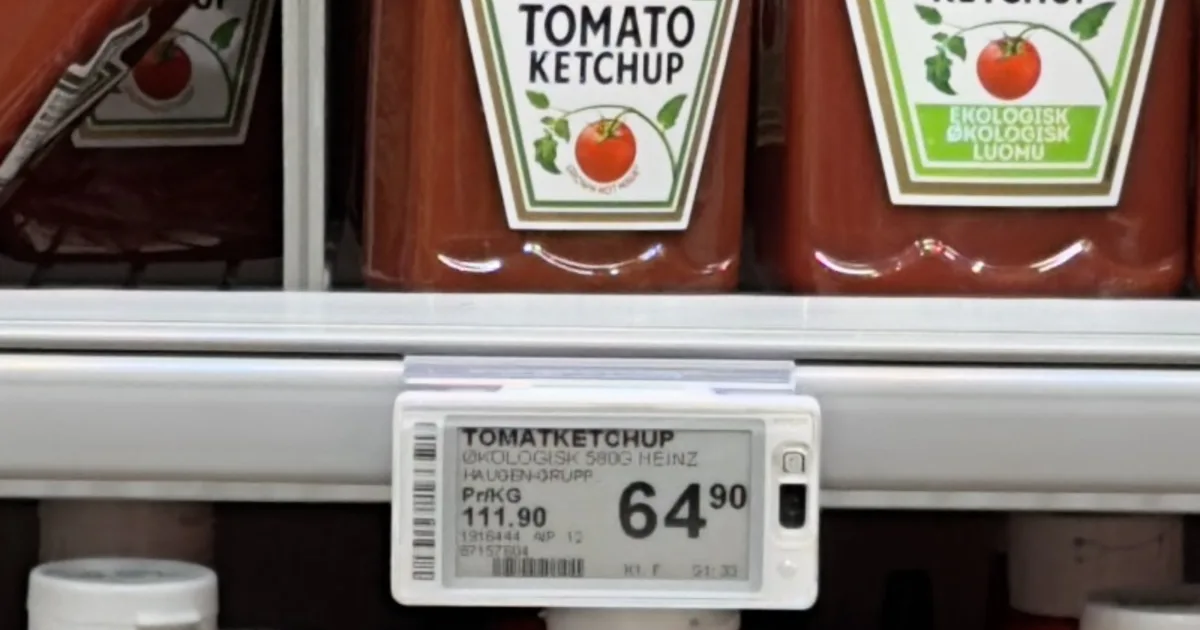
Food and beverage class action lawsuits in Missouri frequently arise from misleading labeling practices, contamination incidents, and undisclosed ingredients that can harm consumers. These cases typically involve major food manufacturers and retailers who allegedly violate consumer protection laws through deceptive marketing claims, such as falsely advertising products as "natural," "organic," or "healthy" when they contain synthetic additives or harmful substances.
Missouri residents who purchase affected products may be entitled to compensation through class action settlements. Common issues include mislabeled allergens, contaminated products that cause illness, false nutritional claims, and failure to disclose artificial ingredients. These lawsuits protect consumers from corporate misconduct and ensure food companies maintain transparency in their labeling practices.
The most affected consumers are those who relied on product labels when making purchasing decisions, particularly individuals with dietary restrictions, allergies, or health concerns. Settlements often provide cash payments, product vouchers, or policy changes requiring more accurate labeling to prevent future consumer harm.
Missouri Law on Food & Beverage Cases
Missouri's primary consumer protection statute, the Missouri Merchandising Practices Act (MMPA), provides robust protection for residents harmed by deceptive food labeling and marketing practices. Under RSMO § 407.020, the MMPA prohibits unfair practices in trade or commerce, including false advertising and misrepresentation of food products. This statute allows consumers to recover actual damages, attorney fees, and in some cases, punitive damages for violations involving food and beverage misrepresentation.
The MMPA has a five-year statute of limitations under RSMO § 407.120, giving Missouri consumers more time to file claims compared to many other states. This extended timeframe is particularly beneficial in food cases where health effects or labeling deception may not be immediately apparent to consumers.
Missouri courts have consistently held that reliance on misleading representations is not required under the MMPA, making it easier for consumers to succeed in food labeling cases. Additionally, Missouri's consumer protection law covers both individual and class action claims, providing avenue for widespread relief when food companies engage in systematic deceptive practices affecting numerous consumers throughout the state.
Notable Missouri Food & Beverage Settlements
LaCroix Sparkling Water (2019) — $1.6 million settlement Class action alleged the "natural" sparkling water contained artificial ingredients including linalool and other synthetic compounds.
Kind Bar "Healthy" Claims (2020) — $5 million settlement Lawsuit claimed Kind LLC falsely marketed snack bars as "healthy" despite high sugar and saturated fat content exceeding FDA guidelines.
Fairlife Milk Animal Abuse (2020) — $21 million settlement Settlement addressed claims that Coca-Cola's Fairlife brand misled consumers about humane treatment of dairy cows in their supply chain.
Blue Diamond Almond Milk (2018) — $7.5 million settlement Class action alleged almond milk products contained only 2% almonds despite marketing emphasizing almond content and nutritional benefits.
Honey Nut Cheerios (2017) — $8 million settlement General Mills settled claims that Honey Nut Cheerios falsely advertised heart health benefits without adequate scientific support.
Quaker Oats "Natural" Claims (2019) — $15 million settlement Settlement resolved allegations that Quaker oat products contained glyphosate residue despite "100% Natural" labeling claims.
Are Missouri Residents Eligible?
Missouri residents who purchased affected food or beverage products during specified class periods typically qualify for compensation. Under the Missouri Merchandising Practices Act's five-year statute of limitations, consumers have an extended window to join class actions compared to other states, though specific case deadlines vary.
Eligibility generally requires proof of purchase within Missouri, though some settlements accept receipts, credit card statements, or sworn affidavits when documentation is unavailable. Class members must have purchased products for personal or household use, not commercial resale.
Missouri's consumer protection law doesn't require proof of reliance on misleading claims, making it easier for residents to qualify. However, some federal cases may have stricter requirements. Settlement amounts often depend on the number of products purchased and when purchases occurred during the class period.
How Missouri Residents File Claims
Missouri residents can file food and beverage class action claims by submitting required documentation before settlement deadlines. Most cases require proof of purchase, personal information, and details about products purchased during specified time periods. Class Action Buddy streamlines this process by auto-filling settlement forms in just 60 seconds, eliminating tedious paperwork.
The platform automatically matches Missouri residents with eligible food and beverage settlements, ensuring compliance with state-specific requirements under the Missouri Merchandising Practices Act. Users simply upload receipts or provide purchase information, and Class Action Buddy handles form completion and submission.
For cases without receipts, Missouri's consumer-friendly laws often allow sworn declarations of purchase. Class Action Buddy guides users through alternative documentation methods when original receipts aren't available. The platform monitors deadlines and sends reminders to ensure Missouri residents don't miss claim periods, maximizing recovery opportunities from food labeling and contamination settlements.
Frequently Asked Questions
How long do Missouri residents have to file food class action claims?
Missouri's Merchandising Practices Act provides a five-year statute of limitations, but individual settlement deadlines vary and are typically much shorter, ranging from 60 days to one year after settlement approval.
Do I need receipts to join food labeling class actions in Missouri?
While receipts help, Missouri law often allows sworn affidavits for small purchases. Many settlements accept credit card statements, loyalty card records, or declarations under penalty of perjury.
What damages can Missouri residents recover in food class action cases?
Under the Missouri Merchandising Practices Act, residents may recover actual damages, attorney fees, and sometimes punitive damages. Settlement amounts typically range from $5 to $100 per product depending on the case.
Are Missouri residents covered by nationwide food class actions?
Yes, Missouri residents are typically included in nationwide settlements unless specifically excluded. Missouri's strong consumer protection laws often make residents attractive class members for attorneys.
Can I file individual lawsuits for food labeling issues in Missouri?
Yes, Missouri residents can pursue individual claims under the MMPA, but class actions are often more practical for small damages. Individual suits may be worthwhile for significant health injuries or financial losses.
Missouri residents affected by food labeling deception, contamination, or misleading marketing claims have strong legal protections under state consumer law. The Missouri Merchandising Practices Act provides extensive remedies and a favorable five-year statute of limitations for pursuing compensation. With Class Action Buddy's automated 60-second form completion, Missouri consumers can easily join eligible settlements without complex paperwork. Don't let food companies profit from deceptive practices—use Class Action Buddy to claim your rightful compensation today.
