Food & Beverage Class Action Lawsuits in Nebraska
Last updated April 30, 2026 · By Class Action Buddy
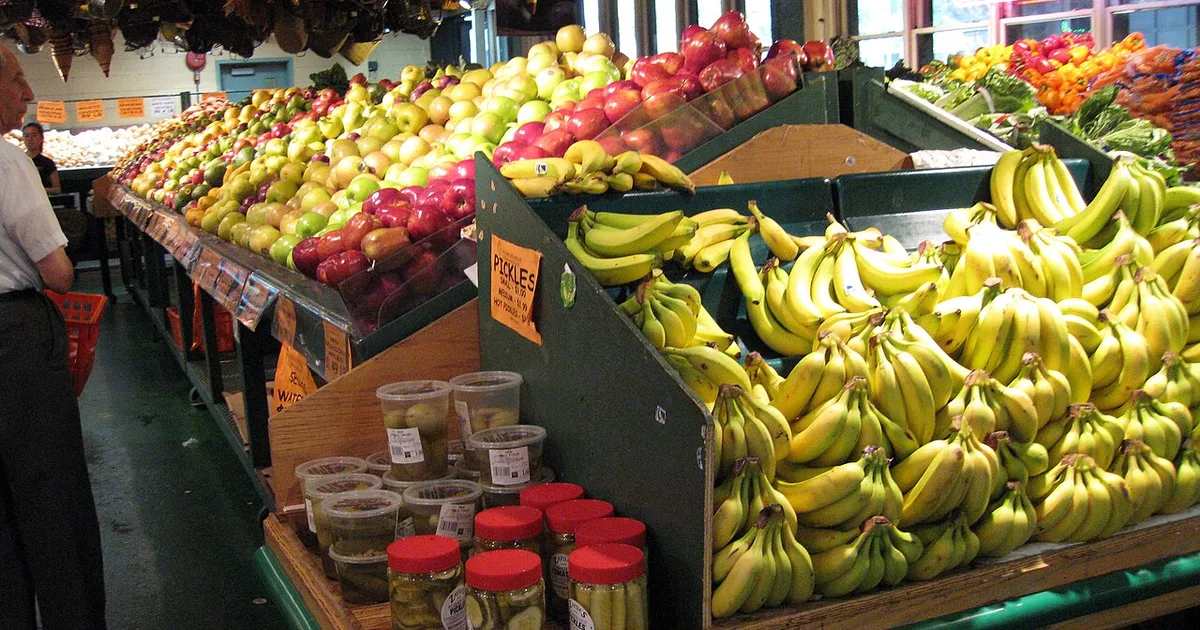
Food and beverage class action lawsuits in Nebraska arise when companies allegedly mislead consumers through deceptive food labeling, fail to disclose harmful ingredients, or distribute contaminated products. These cases often involve allegations of false advertising, where products are marketed as "natural," "organic," or "healthy" when they contain synthetic additives, artificial ingredients, or higher levels of sugar, sodium, or fat than advertised.
Nebraska residents frequently find themselves affected by nationwide food recalls involving contamination with bacteria like salmonella, E. coli, or listeria, as well as undisclosed allergens that pose serious health risks. Product recalls can also stem from foreign objects, chemical contamination, or mislabeling that fails to warn consumers of potential allergens or dangerous ingredients.
The typical plaintiffs in these cases include everyday consumers who purchased food or beverage products based on allegedly false or misleading packaging claims. Class actions allow Nebraska residents to band together when individual damages might be relatively small but affect thousands of consumers statewide. These lawsuits seek to hold food manufacturers, distributors, and retailers accountable for proper labeling and safe products.
Nebraska Law on Food & Beverage Cases
Nebraska's Consumer Protection Act (Neb. Rev. Stat. § 59-1601 et seq.) prohibits unfair or deceptive acts or practices in trade or commerce, providing the primary legal framework for food and beverage class actions in the state. This statute allows consumers to recover actual damages, and in cases involving willful violations, courts may award up to three times the actual damages plus reasonable attorney fees.
The Nebraska Uniform Deceptive Trade Practices Act also prohibits false advertising and misrepresentation of goods' characteristics, ingredients, or benefits. Food labeling violations often fall under these provisions when companies make misleading health claims or fail to accurately represent product contents. Nebraska courts have recognized that even minor misrepresentations can constitute violations if they influence purchasing decisions.
Nebraska follows a four-year statute of limitations for consumer protection claims under Neb. Rev. Stat. § 25-207, though discovery rules may extend this period when fraud is concealed.
For food contamination cases involving personal injury, Nebraska's four-year statute for product liability claims applies. The state also enforces federal food labeling requirements through its adoption of FDA standards, creating additional avenues for consumer protection when products violate federal guidelines or safety standards.
What we can verify about Nebraska Food & Beverage settlements
We removed a list we could not stand behind. This page used to name specific & beverage settlements with years and dollar amounts. Checking five of them found only one correct, so rather than repeat the rest we took them down.
Here is the part that actually answers the question. Class actions are almost always federal or multi-state. A settlement that covers Nebraska residents nearly always covers residents of every other state as well, and living in Nebraska rarely decides whether you can claim. What decides it is whether you bought the product, held the account, used the service or received the notice, during the class period the court approved.
Where Nebraska can matter is at the edges: a handful of settlements are limited to one state because the claim rests on that state’s own consumer statute, and a few pay residents of some states more than others. Those restrictions are always stated on the official claim form, and we list them per settlement rather than per state.
For settlements that are genuinely open right now, each one checked against the court-appointed administrator, see our list of open settlements or our guide to settlements with no proof of purchase. If you want to know which have actually cleared final approval and are paying, we track that in which settlements are paying out now.
Are Nebraska Residents Eligible?
Nebraska residents who purchased qualifying food or beverage products during specified class periods typically qualify for compensation in these lawsuits. Eligibility usually requires proof of purchase through receipts, bank statements, or credit card records, though some settlements accept sworn affidavits for small claims when documentation is unavailable.
The Nebraska Consumer Protection Act's four-year statute of limitations generally governs eligibility timing, meaning residents must have purchased products within four years of case filing or settlement approval. However, discovery rules may extend this period if deceptive practices were concealed from consumers.
Residents must have suffered some form of harm, whether economic (paying premium prices for mislabeled products), physical (illness from contamination), or both. Class members typically cannot have previously released their claims through prior settlements or individual lawsuits involving the same allegations. Some food contamination cases may have specific geographic restrictions if distribution was limited to certain Nebraska counties or retailers.
How Nebraska Residents File Claims
Nebraska residents can join food and beverage class actions by filing claim forms during designated settlement periods or opting into certified class actions. Most food labeling and contamination cases require minimal documentation—typically just proof of purchase and residency verification during the relevant time period.
Class Action Buddy streamlines this process by auto-filling claim forms in just 60 seconds, eliminating the tedious paperwork that often prevents eligible Nebraska residents from recovering compensation. The platform automatically matches your information with active food and beverage settlements, calculates potential recovery amounts, and submits claims before critical deadlines.
For cases requiring extensive documentation of damages, such as medical expenses from foodborne illness, residents should gather hospital bills, doctor visits, and employment records showing lost wages. Many settlements offer different compensation tiers based on proof provided—from small payments for sworn affidavits to larger amounts for documented purchases and injuries. Nebraska residents should monitor recall notices from the FDA, USDA, and state health departments, as these often precede class action opportunities.
Frequently Asked Questions
How long do Nebraska food and beverage class actions typically take?
Most food labeling cases settle within 1-3 years, while contamination cases involving personal injury may take 3-5 years. Settlement approval and payment distribution usually occurs 6-12 months after final agreements.
Can I join a class action if I threw away the contaminated food?
Yes, many Nebraska settlements accept sworn affidavits or alternative proof like loyalty card records, bank statements, or witness testimony when original receipts or products are unavailable.
What compensation can Nebraska residents expect from food class actions?
Payments vary widely—from $10-50 for labeling violations to hundreds or thousands for contamination cases with documented illness. Reimbursement often depends on proof provided and severity of alleged harm.
Do I need a lawyer to participate in Nebraska food class actions?
No, class actions allow automatic participation for eligible residents. Class attorneys handle litigation while members simply file claim forms during settlement periods to receive compensation.
What happens if I get sick from recalled food in Nebraska?
Document medical treatment immediately and preserve product evidence if possible. You may qualify for enhanced compensation in class actions or individual lawsuits beyond standard settlement amounts for economic damages.
Nebraska residents affected by deceptive food labeling, contaminated products, or misleading ingredient claims shouldn't miss opportunities for compensation through class action lawsuits. These cases hold manufacturers accountable while providing financial recovery for consumers who trusted brand promises and product safety.
Class Action Buddy makes participating effortless by automatically identifying eligible settlements and completing claim forms in under 60 seconds. Don't let complex paperwork prevent you from recovering what you're owed—let our platform handle the details while you focus on your daily life and family's wellbeing.