Food & Beverage Class Action Lawsuits in New Jersey
Last updated April 30, 2026 · By Class Action Buddy
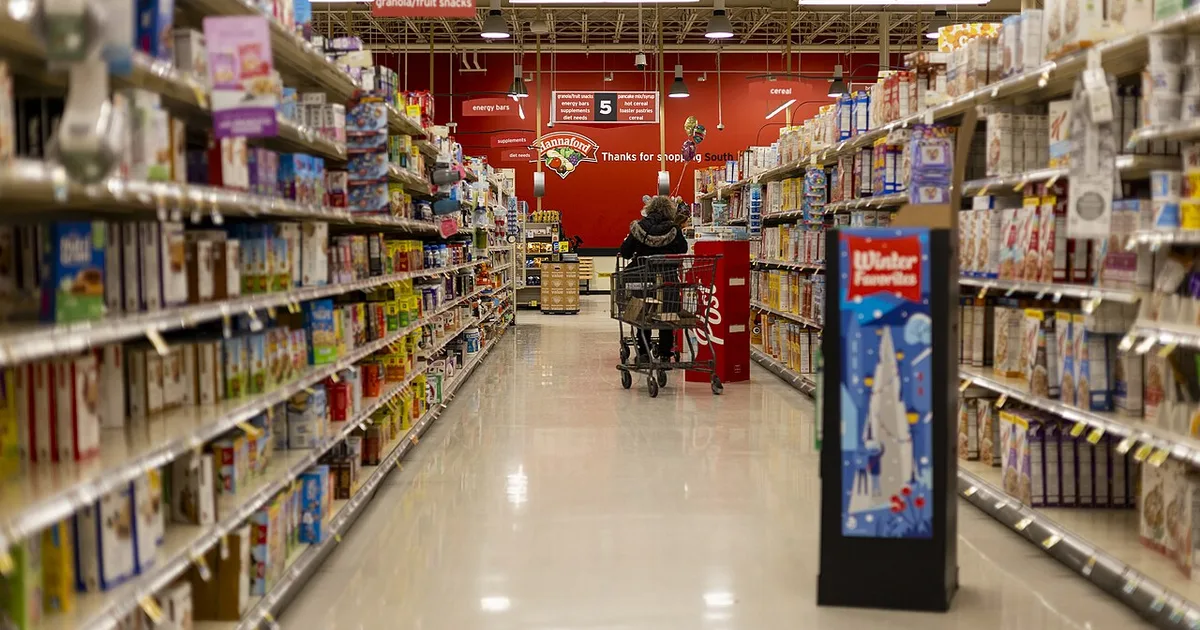
Food and beverage class action lawsuits in New Jersey arise when companies allegedly mislead consumers about their products through deceptive labeling, contamination issues, or failure to disclose harmful ingredients. These cases typically involve allegations that manufacturers violated state and federal consumer protection laws by making false claims about nutritional content, organic certification, or product safety.
New Jersey residents are frequently affected by nationwide food labeling disputes involving major brands. Common issues include products marketed as "natural" that contain artificial ingredients, items labeled "healthy" with excessive sugar or sodium, and foods claiming specific health benefits without scientific support. Contamination cases also impact Garden State consumers when tainted products cause illness or require recalls.
These lawsuits protect consumers who purchased products based on allegedly false or misleading representations. Class actions allow individual consumers who may have suffered small financial losses to band together and hold large food companies accountable for deceptive practices that affect thousands or millions of people.
New Jersey Law on Food & Beverage Cases
New Jersey's Consumer Fraud Act (CFA), codified at N.J.S.A. 56:8-1 et seq., provides robust protection for consumers who purchase mislabeled or contaminated food and beverage products. The CFA prohibits deceptive practices in connection with the sale of merchandise and allows consumers to recover damages, attorney fees, and in some cases treble damages. This makes New Jersey one of the more consumer-friendly states for food labeling litigation.
The statute of limitations for CFA claims is generally six years from the date of discovery, giving New Jersey consumers more time to pursue claims compared to many other states. The CFA's broad language covers various forms of deception, including false advertising about nutritional content, organic status, or health benefits of food products.
New Jersey courts have interpreted the CFA expansively, finding that consumers need not prove reliance on specific representations if the deceptive practice affects the general public. This standard makes it easier for class action plaintiffs to establish liability in cases involving widespread food labeling violations. Additionally, the state's Truth-in-Consumer Contract, Warranty and Notice Act (TCCWNA) provides additional protections against misleading product warranties and guarantees.
Notable New Jersey Food & Beverage Settlements
Ferrero Nutella (2012) — $3 million settlement Nutella marketing allegedly misled consumers about the product's health benefits and nutritional value.
General Mills Nature Valley (2017) — $8.5 million settlement Granola bars labeled "100% Natural" allegedly contained processed and artificial ingredients.
Coca-Cola VitaminWater (2014) — $1.2 million settlement VitaminWater marketing allegedly deceived consumers about health benefits despite high sugar content.
Blue Diamond Almond Breeze (2018) — $7.5 million settlement Almond milk products allegedly contained only 2% almonds despite marketing suggesting higher content.
Kellogg's Frosted Mini-Wheats (2012) — $2.75 million settlement Cereal advertising allegedly overstated cognitive benefits for children without scientific support.
POM Wonderful (2016) — $6.7 million settlement Pomegranate juice marketing allegedly made unsupported health claims about antioxidant benefits.
Wesson Oil "100% Natural" (2015) — $3 million settlement Cooking oil labeled "natural" allegedly contained genetically modified ingredients.
Are New Jersey Residents Eligible?
New Jersey residents who purchased affected food or beverage products during the specified class period typically qualify for compensation. Eligibility usually requires proof of purchase within New Jersey, though some nationwide settlements accept purchases by New Jersey residents regardless of where the transaction occurred. Class members must have purchased products for personal or household use, not for resale.
Under New Jersey's Consumer Fraud Act, the six-year statute of limitations begins when consumers discover or reasonably should have discovered the allegedly deceptive practice. This extended timeframe often allows more consumers to participate compared to states with shorter limitation periods. Some settlements require retention of receipts or other purchase documentation, while others accept sworn statements about buying patterns.
Residents who suffered actual damages beyond the purchase price, such as medical expenses from contaminated products, may be eligible for additional compensation. However, most food labeling class actions focus on economic damages representing the difference between what consumers paid and the actual value of the mislabeled product.
How New Jersey Residents File Claims
New Jersey residents can join food and beverage class action lawsuits by filing claims during designated settlement periods or by opting into active litigation. Most cases allow participation without hiring individual attorneys, as class counsel represents all members' interests. The claims process typically requires basic information about purchases, including dates, locations, and product types.
Class Action Buddy streamlines this process by auto-filling claim forms in just 60 seconds using information you provide about your purchases. The platform tracks active settlements and deadlines, ensuring New Jersey residents don't miss opportunities for compensation. Many food and beverage settlements require only minimal documentation, making participation accessible to consumers who may not have retained receipts.
For cases involving significant individual damages, such as illness from contaminated products, New Jersey residents may need to provide additional documentation like medical records or proof of economic losses. However, most labeling disputes focus on class-wide relief rather than individual damages. Residents should file claims promptly, as settlement deadlines are typically firm and extensions are rare. The process is generally free for class members, with attorney fees paid from settlement funds.
Frequently Asked Questions
How long do New Jersey residents have to join food labeling class actions?
Under New Jersey's Consumer Fraud Act, residents typically have six years from discovering the deceptive practice to pursue claims. However, specific settlement deadlines are much shorter, usually 60-120 days from notice publication.
Do I need receipts to participate in New Jersey food class actions?
Requirements vary by case. Some settlements accept sworn statements about purchase patterns, while others require receipts or credit card statements. New Jersey's consumer-friendly laws sometimes allow participation based on reasonable proof of purchase.
Can New Jersey residents get attorney fees in food labeling cases?
Yes, New Jersey's Consumer Fraud Act allows recovery of reasonable attorney fees for successful claims. In class actions, these fees are typically paid from the settlement fund rather than by individual class members.
What damages can New Jersey consumers recover in food contamination cases?
New Jersey residents may recover the purchase price difference, medical expenses, and potentially treble damages under the Consumer Fraud Act. Contamination cases often involve additional compensation for health-related expenses and monitoring.
Are online food purchases covered under New Jersey consumer protection laws?
Yes, New Jersey's Consumer Fraud Act covers online purchases by state residents. Many national food labeling settlements include online purchases, regardless of the seller's location, if delivered to New Jersey addresses.
New Jersey's strong consumer protection laws make the Garden State an favorable jurisdiction for food and beverage class action litigation. The Consumer Fraud Act's broad coverage and six-year statute of limitations provide extensive rights for residents who purchase mislabeled or contaminated products. With treble damages and attorney fee recovery available, these cases offer meaningful relief for affected consumers.
Don't let filing deadlines pass you by. Class Action Buddy makes joining food and beverage settlements simple and fast, with forms completed in just 60 seconds. Protect your consumer rights and claim the compensation you deserve.