Food & Beverage Class Action Lawsuits in West Virginia
Last updated April 30, 2026 · By Class Action Buddy
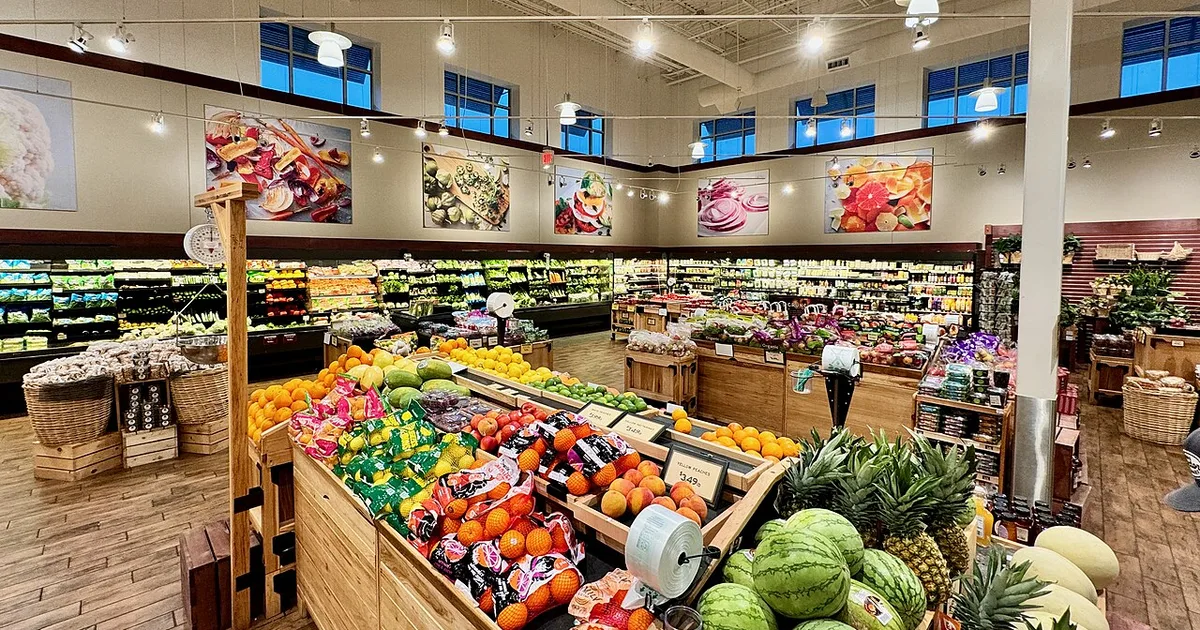
Food and beverage class action lawsuits in West Virginia arise when companies mislead consumers about their products through false labeling, undisclosed ingredients, or contamination issues. These cases typically involve allegations that manufacturers violated consumer protection laws by making deceptive health claims, failing to disclose allergens, or selling contaminated products that pose safety risks.
West Virginia residents who purchased affected food and beverage products may be entitled to compensation through these class action settlements. Common issues include mislabeled organic products, false "natural" claims, undisclosed artificial ingredients, and products contaminated with harmful substances like heavy metals or bacteria.
These lawsuits protect consumers from corporate deception and ensure companies are held accountable for accurate product labeling. Whether it's a nationwide recall due to contamination or misleading marketing claims about nutritional benefits, West Virginia consumers have legal recourse when food and beverage companies fail to meet safety and labeling standards.
West Virginia Law on Food & Beverage Cases
West Virginia's Consumer Credit and Protection Act (WVCCPA) serves as the primary consumer protection statute governing food and beverage claims in the state. This law prohibits unfair or deceptive acts or practices in trade or commerce, including misleading food labeling and false advertising of nutritional benefits. The WVCCPA allows consumers to seek actual damages, and in cases of willful violations, treble damages plus attorney fees.
The statute of limitations for consumer protection claims under the WVCCPA is generally two years from when the consumer knew or should have known of the violation. This timeline is crucial for food and beverage cases, as consumers must act promptly after discovering misleading labeling or contamination issues.
West Virginia also follows federal food safety regulations enforced by the FDA and USDA. When companies violate these standards through contaminated products or false health claims, state courts can award damages under both federal and state law. The state's approach emphasizes protecting consumers from deceptive practices while ensuring food manufacturers maintain accurate labeling and safety standards.
What we can verify about West Virginia Food & Beverage settlements
We removed a list we could not stand behind. This page used to name specific food & beverage settlements with years and dollar amounts. Checking five of them found only one correct, so rather than repeat the rest we took them down.
Here is the part that actually answers the question. Class actions are almost always federal or multi-state. A settlement that covers West Virginia residents nearly always covers residents of every other state as well, and living in West Virginia rarely decides whether you can claim. What decides it is whether you bought the product, held the account, used the service or received the notice, during the class period the court approved.
Where West Virginia can matter is at the edges: a handful of settlements are limited to one state because the claim rests on that state’s own consumer statute, and a few pay residents of some states more than others. Those restrictions are always stated on the official claim form, and we list them per settlement rather than per state.
For settlements that are genuinely open right now, each one checked against the court-appointed administrator, see our list of open settlements or our guide to settlements with no proof of purchase. If you want to know which have actually cleared final approval and are paying, we track that in which settlements are paying out now.
Are West Virginia Residents Eligible?
West Virginia residents who purchased affected food or beverage products during the specified class period typically qualify for compensation in these lawsuits. Eligibility usually requires proof of purchase, such as receipts or credit card statements, though some settlements accept sworn affirmations for smaller claims when documentation isn't available.
The two-year statute of limitations under West Virginia's Consumer Credit and Protection Act begins when consumers discover or should have discovered the deceptive practice. For contamination cases, this often starts with public recall announcements, while labeling disputes may have different discovery dates depending on when misleading claims became public knowledge.
Class members must have suffered actual harm, whether through paying premium prices for mislabeled products or experiencing health issues from contaminated items. West Virginia courts generally require that consumers relied on the alleged misrepresentations when making their purchase decisions, establishing a clear connection between the deceptive practice and consumer harm.
How West Virginia Residents File Claims
Filing a food and beverage class action claim as a West Virginia resident typically involves joining an existing lawsuit rather than initiating individual litigation. Most cases begin when attorneys identify widespread issues affecting multiple consumers and file suit in state or federal court with nationwide or regional reach.
West Virginia residents can join these cases by submitting claim forms during the settlement period, usually after preliminary approval by the court. Required documentation often includes proof of purchase, product packaging, and details about when and where the products were bought. For contamination cases involving illness, medical records may strengthen claims for additional damages.
Class Action Buddy simplifies this process by automatically filling out claim forms in just 60 seconds. The platform tracks active settlements affecting West Virginia residents and ensures all required information is properly submitted before deadlines. This automated approach eliminates the complexity of manually completing multiple claim forms while maximizing potential recovery for eligible consumers.
Frequently Asked Questions
How long do I have to file a food and beverage class action claim in West Virginia?
Under West Virginia's Consumer Credit and Protection Act, you typically have two years from discovering the deceptive practice or contamination issue. However, each class action has specific deadlines for filing claims, usually ranging from 60 days to several months after settlement approval.
Do I need receipts to prove I purchased the affected food or beverage products?
While receipts strengthen your claim, many West Virginia settlements accept alternative proof like credit card statements, store loyalty card records, or sworn affirmations for smaller claims. The specific requirements vary by case and settlement terms.
Can I join a class action if I purchased products outside West Virginia?
Yes, most food and beverage class actions are nationwide or multi-state cases. West Virginia residents can typically join regardless of where they purchased the products, as long as they bought them during the specified class period.
What types of damages can I recover in West Virginia food and beverage cases?
Compensation typically includes refunds for purchase prices, premium pricing damages for mislabeled products, and potentially medical expenses for contamination cases. Under the WVCCPA, willful violations may result in treble damages plus attorney fees.
How are settlements distributed among class members in West Virginia?
Distribution varies by case, but typically involves either fixed amounts per product purchased or pro rata distribution based on valid claims submitted. Some settlements offer higher payments for consumers who can provide purchase receipts versus those submitting sworn statements.
West Virginia consumers deserve protection from misleading food labeling and contaminated products that violate state and federal safety standards. Class action lawsuits provide an effective means for residents to seek compensation when companies engage in deceptive practices or fail to maintain product safety.
Class Action Buddy makes joining these cases simple by automatically identifying eligible settlements and completing claim forms in just 60 seconds. Don't let complex paperwork prevent you from recovering compensation you're entitled to receive. Take advantage of this streamlined process to protect your consumer rights and hold food companies accountable for their actions.
