No Proof Required Class Action Lawsuits in Montana
Last updated April 30, 2026 · By Class Action Buddy
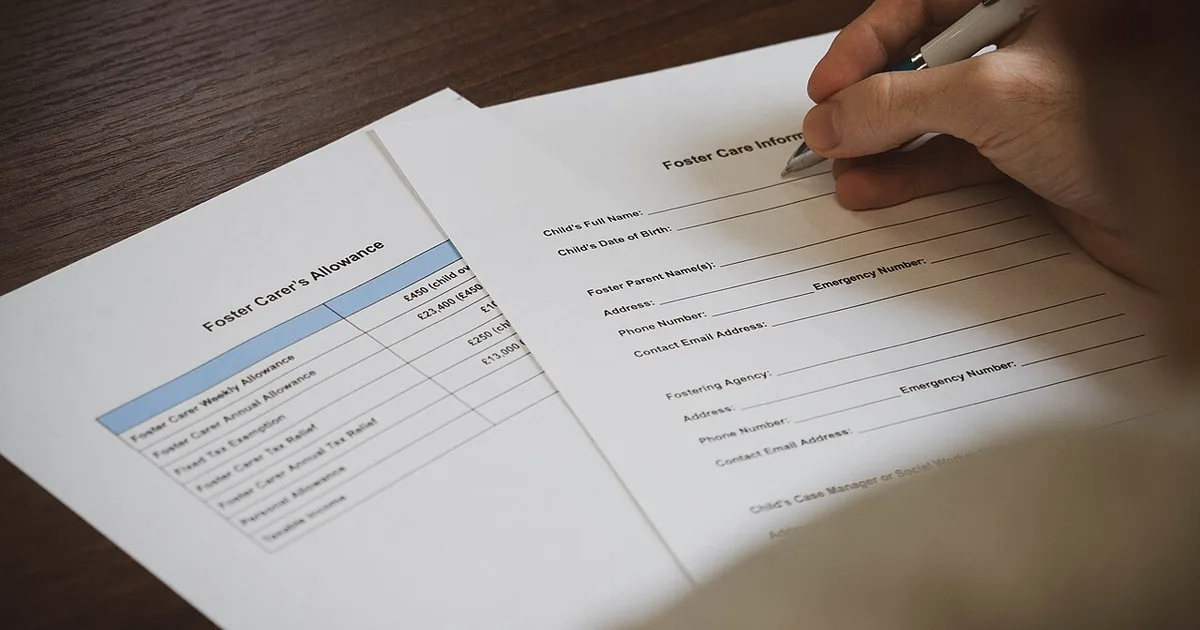
No proof required class action settlements offer Montana residents a unique opportunity to recover compensation without the burden of providing receipts, documentation, or extensive evidence of harm. These settlements typically arise from allegations of consumer fraud, privacy violations, false advertising, or unfair business practices where proving individual damages would be difficult or impossible for class members.
Montana residents are frequently affected by these cases because many involve national companies with widespread practices impacting consumers across all states. Common scenarios include data breaches where personal information was compromised, misleading product labeling, unauthorized charges, or violations of privacy rights through improper data collection.
The beauty of no-proof settlements lies in their accessibility. Rather than requiring Montana consumers to dig through years of records or prove specific monetary losses, these agreements allow eligible class members to submit attestation-based claims. Claimants simply verify they meet basic eligibility criteria—such as residing in Montana during specific dates or using particular products or services—making the claims process straightforward and achievable for ordinary consumers who might otherwise be excluded from traditional litigation recovery methods.
Montana Law on No Proof Required Cases
Montana's Unfair Trade Practices Act (UTPA) under Mont. Code Ann. § 30-14-101 et seq. provides robust consumer protection that often serves as the foundation for class action lawsuits resulting in no-proof settlements. The UTPA prohibits deceptive practices, false advertising, and unfair methods of competition, creating liability for businesses that engage in misleading conduct affecting Montana consumers.
The statute allows for actual damages, reasonable attorney fees, and in some cases punitive damages, making it an attractive vehicle for class action attorneys. Montana's UTPA has a five-year statute of limitations for bringing claims, which is longer than many states and allows for broader class periods in settlement agreements.
Montana also recognizes common law privacy torts and has specific protections under the Montana Constitution's privacy provision in Article II, Section 10, which is among the strongest state constitutional privacy rights in the nation. While Montana lacks a comprehensive biometric privacy law like Illinois' BIPA, courts have recognized privacy harms that can form the basis for class actions.
Additionally, Montana follows the Montana Wage and Hour Act for employment-related class actions, and the state's consumer protection framework often intersects with federal laws like the Telephone Consumer Protection Act (TCPA) and Fair Credit Reporting Act (FCRA), creating multiple avenues for no-proof class action settlements affecting Montana residents.
Which kinds of settlement actually waive proof
“No proof” is not a favour — it follows from who holds the records. Where the defendant’s own data already identifies you, a receipt adds nothing, so the claim form asks for a signed statement instead.
- Privacy, pixel and video-privacy cases — almost always no proof. The company’s logs show you were there. The FitOn video-privacy settlement pays $10 on a no-proof claim; the St. Joseph Hospital MyChart pixel settlement pays about $50.
- TCPA calls and texts — no proof. Eligibility turns on the caller’s own records of your number.
- Data breaches — usually a no-proof option alongside a documented one. A flat cash payment needs nothing; a larger documented-loss claim needs evidence. You can normally take the flat option.
- Consumer goods — no proof up to a cap. Typically a few units on a sworn statement, receipts required beyond that.
- Securities — never. Investor claims need trade records, and no no-proof route exists.
What a no-proof claim is worth. Usually tens of dollars: the fund is split among everyone who files. Google’s Assistant settlement pays an estimated $2–$10; Albany Park pays $115, at the high end.
What we can verify about Montana No Proof Required settlements
We removed a list we could not stand behind. This page used to name specific proof required settlements with years and dollar amounts. Checking five of them found only one correct, so rather than repeat the rest we took them down.
Here is the part that actually answers the question. Class actions are almost always federal or multi-state. A settlement that covers Montana residents nearly always covers residents of every other state as well, and living in Montana rarely decides whether you can claim. What decides it is whether you bought the product, held the account, used the service or received the notice, during the class period the court approved.
Where Montana can matter is at the edges: a handful of settlements are limited to one state because the claim rests on that state’s own consumer statute, and a few pay residents of some states more than others. Those restrictions are always stated on the official claim form, and we list them per settlement rather than per state.
For settlements that are genuinely open right now, each one checked against the court-appointed administrator, see our list of open settlements or our guide to settlements with no proof of purchase. If you want to know which have actually cleared final approval and are paying, we track that in which settlements are paying out now.
Are Montana Residents Eligible?
Montana residents typically qualify for no-proof class action settlements by meeting basic criteria established in each settlement agreement. Most commonly, eligibility requires proof of Montana residency during specific class periods and interaction with the defendant company through purchases, account creation, or service usage during relevant timeframes.
State-specific restrictions may apply based on Montana's consumer protection laws and the five-year statute of limitations under the UTPA. Some settlements exclude residents of certain states due to varying legal standards, though Montana's strong consumer protection framework generally ensures inclusion in nationwide settlements.
Age restrictions often apply, with many settlements requiring claimants to have been at least 18 years old during the class period, or providing different compensation structures for minors. Montana residents should verify they haven't opted out of previous settlements with the same defendant and confirm they meet any product-specific or service-specific requirements outlined in settlement notices before submitting claims.
How Montana Residents File Claims
Filing no-proof class action claims as a Montana resident involves locating active settlements, reviewing eligibility requirements, and submitting attestation-based claim forms within specified deadlines. Most settlements require only basic information: confirmation of Montana residency during class periods, interaction with defendant's products or services, and sworn attestation that provided information is truthful.
Class Action Buddy streamlines this process for Montana residents by automatically identifying eligible settlements and pre-filling claim forms in approximately 60 seconds. The platform eliminates the tedious task of manually searching for active settlements and reduces form completion time from hours to minutes.
Montana consumers should submit claims promptly after settlement approval, as deadlines are strictly enforced. Most no-proof settlements allow online submission, though some require mailed forms. Keep confirmation numbers and submission receipts for record-keeping purposes.
Documentation requirements are minimal but may include proof of Montana address during class periods. Utility bills, lease agreements, or driver's license records typically satisfy residency requirements. False attestation can result in claim denial and potential legal consequences, so Montana residents should only submit truthful claims for settlements where they genuinely meet eligibility criteria.
Frequently Asked Questions
Do I need receipts or purchase records for no-proof class action claims in Montana?
No, these settlements specifically eliminate documentation requirements. You only need to attest under penalty of perjury that you meet the basic eligibility criteria, such as Montana residency and interaction with the defendant's products or services during the class period.
How long do Montana residents have to file no-proof class action claims?
Deadlines vary by settlement but typically range from 90 days to one year after court approval. Montana's five-year statute of limitations under the UTPA may affect class periods, but individual claim deadlines are set by settlement agreements, not state law.
Can Montana residents participate in multiple no-proof settlements simultaneously?
Yes, Montana residents can file claims in multiple unrelated settlements as long as they meet eligibility criteria for each. However, you cannot file multiple claims in the same settlement or related settlements involving the same alleged conduct.
What happens if my no-proof claim is denied in Montana?
Claim administrators may deny claims for incomplete information, missed deadlines, or failure to meet eligibility criteria. Montana residents typically have 30-60 days to cure deficiencies or appeal denials, depending on the specific settlement terms.
Are no-proof class action settlements taxable income in Montana?
Tax implications vary based on settlement type and amount. Compensation for personal injury or punitive damages may be non-taxable, while settlements for economic losses might be taxable income. Consult a tax professional for settlements exceeding $600, as you may receive a 1099 form.
No-proof class action settlements provide Montana residents with accessible opportunities to recover compensation for corporate wrongdoing without burdensome documentation requirements. These attestation-based claims level the playing field for ordinary consumers who might otherwise struggle to prove damages in traditional litigation.
Class Action Buddy simplifies the process by automatically identifying eligible settlements and completing claim forms in just 60 seconds, ensuring Montana residents never miss valuable opportunities for recovery. Don't let corporate misconduct go uncompensated—start exploring your no-proof settlement eligibility today.
