Privacy Class Action Lawsuits in Idaho
Last updated April 30, 2026 · By Class Action Buddy
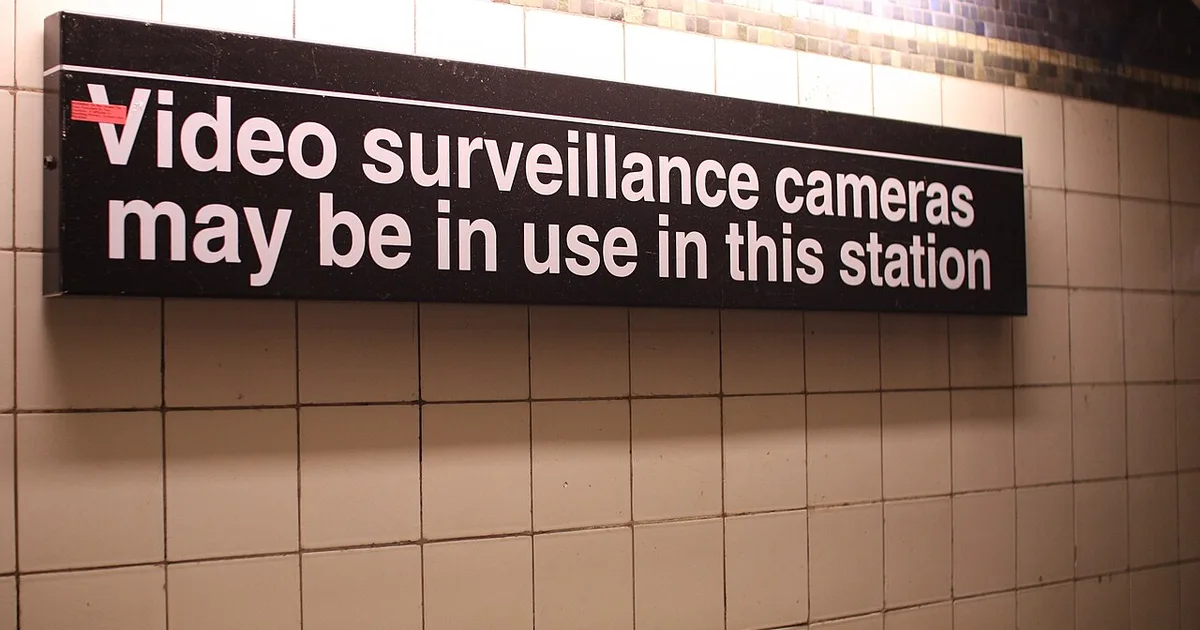
Privacy class action lawsuits have become increasingly common for Idaho residents as companies face scrutiny for mishandling personal data, collecting biometric information without consent, and violating various privacy regulations. These cases often involve large corporations that gather sensitive information like fingerprints, facial recognition data, or personal communications without proper authorization or disclosure.
Idaho residents may be affected by privacy violations under federal laws and regulations from other states where companies operate. Common defendants include social media platforms, retailers with biometric time clocks, video streaming services, and telecommunications companies that improperly collect or share user data.
These lawsuits typically result in monetary settlements for affected individuals, ranging from modest payments to substantial compensation depending on the severity and scope of the privacy violation. Idaho consumers have successfully recovered damages for unauthorized biometric data collection, wiretapping, video privacy violations, and breaches of various state privacy laws including California's CCPA and Illinois's BIPA.
Idaho Law on Privacy Cases
Idaho's Consumer Protection Act, codified under Idaho Code § 48-601 et seq., serves as the primary vehicle for privacy-related class action claims within the state. This statute prohibits unfair and deceptive trade practices, including misrepresentation about data collection practices and unauthorized use of personal information. The Act provides for actual damages, attorney fees, and in some cases treble damages for willful violations.
The statute of limitations for privacy claims in Idaho is typically three years under the Consumer Protection Act, though this may vary depending on the specific legal theory. Idaho does not have its own comprehensive biometric privacy law similar to Illinois's BIPA, but residents can still participate in privacy class actions based on violations that occurred in other states or under federal regulations.
Idaho follows a discovery rule for many privacy claims, meaning the statute of limitations begins when the consumer knew or should have reasonably known about the privacy violation. This is particularly relevant for data breach cases where the unauthorized access may not be immediately apparent to affected individuals.
Notable Idaho Privacy Settlements
Facebook Biometric Privacy (2020) — $650 million settlement Illinois BIPA violation for facial recognition technology affecting users nationwide including Idaho residents.
Google Location Tracking (2022) — $391.5 million settlement Deceptive location data collection practices affecting Android and iPhone users across multiple states.
TikTok Biometric Data (2021) — $92 million settlement Unauthorized collection of biometric identifiers and personal data from app users nationwide.
Clearview AI Facial Recognition (2022) — $9 million settlement Scraped billions of photos from social media for facial recognition database without consent.
Amazon Alexa Children's Privacy (2023) — $25 million settlement Violation of children's privacy laws by retaining voice recordings longer than necessary.
Zoom Video Privacy (2021) — $85 million settlement Sharing personal data with third parties and security vulnerabilities affecting meeting participants.
Yahoo Data Breaches (2018) — $117.5 million settlement Multiple data breaches exposing personal information of billions of users worldwide.
Are Idaho Residents Eligible?
Idaho residents typically qualify for privacy class action settlements if they used the defendant's services or products during the specified time period and were subject to the alleged privacy violations. Eligibility often depends on specific actions like creating accounts, using biometric scanners, or having personal data collected without proper consent.
For biometric privacy cases under Illinois BIPA, Idaho residents who visited Illinois businesses or used services that collected biometric data in Illinois may qualify. California CCPA violations may include Idaho residents if their data was processed by California-based companies or their subsidiaries.
The statute of limitations in Idaho is generally three years for consumer protection claims, but this can vary based on the discovery rule and specific circumstances of each case. Some federal privacy violations may have different limitation periods, and residents should act promptly upon learning of potential violations to preserve their rights.
How Idaho Residents File Claims
Idaho residents can file privacy class action claims by joining existing lawsuits or initiating new cases through qualified attorneys specializing in privacy law. Many privacy class actions are filed as multi-state cases, allowing Idaho residents to participate even when the primary legal theory stems from other states' privacy laws like Illinois BIPA or California CCPA.
Class Action Buddy streamlines this process by auto-filling claim forms in just 60 seconds, making it easy for Idaho residents to participate in relevant privacy settlements. The platform identifies applicable cases based on your location and usage patterns, ensuring you don't miss potential compensation opportunities.
Documentation is crucial for privacy claims, so Idaho residents should preserve evidence of account creation, biometric data collection, privacy policy changes, or data breach notifications. Screenshots, emails, and records of service usage can strengthen your claim. Many privacy class actions require minimal documentation since the violations often affect large groups of users systematically, making individual participation more straightforward than other types of class actions.
Frequently Asked Questions
Can Idaho residents join privacy class actions based on other states' laws like Illinois BIPA?
Yes, Idaho residents can often join privacy class actions under other states' laws if they used services or visited businesses that collected their data in those states, such as using biometric scanners at Illinois locations.
What types of privacy violations commonly affect Idaho residents?
Common violations include unauthorized biometric data collection, location tracking without consent, video privacy violations, data breaches, wiretapping, and sharing personal information with third parties without proper disclosure.
How long do Idaho residents have to file privacy class action claims?
Generally three years under Idaho's Consumer Protection Act, though this varies by case type and the discovery rule may apply, meaning the time limit starts when you knew or should have known about the violation.
Do I need to prove damages to participate in a privacy class action as an Idaho resident?
No, many privacy laws like Illinois BIPA provide statutory damages without requiring proof of actual harm, and Idaho's Consumer Protection Act allows for various types of damages including attorney fees.
What compensation can Idaho residents expect from privacy class action settlements?
Compensation varies widely from $25 to several hundred dollars per person depending on the violation's severity, number of class members, and applicable laws, with some biometric cases providing higher payouts.
Idaho residents have significant opportunities to recover compensation through privacy class action lawsuits, even when the underlying violations stem from other states' privacy laws. These cases continue to grow as companies face increased scrutiny over data collection practices and biometric information handling.
Class Action Buddy makes it simple for Idaho consumers to identify and join relevant privacy settlements, with automated form completion taking just 60 seconds. Don't let privacy violations go unaddressed – check your eligibility today and secure the compensation you deserve for unauthorized data collection and privacy breaches.
