Privacy Class Action Lawsuits in Maine
Last updated April 30, 2026 · By Class Action Buddy
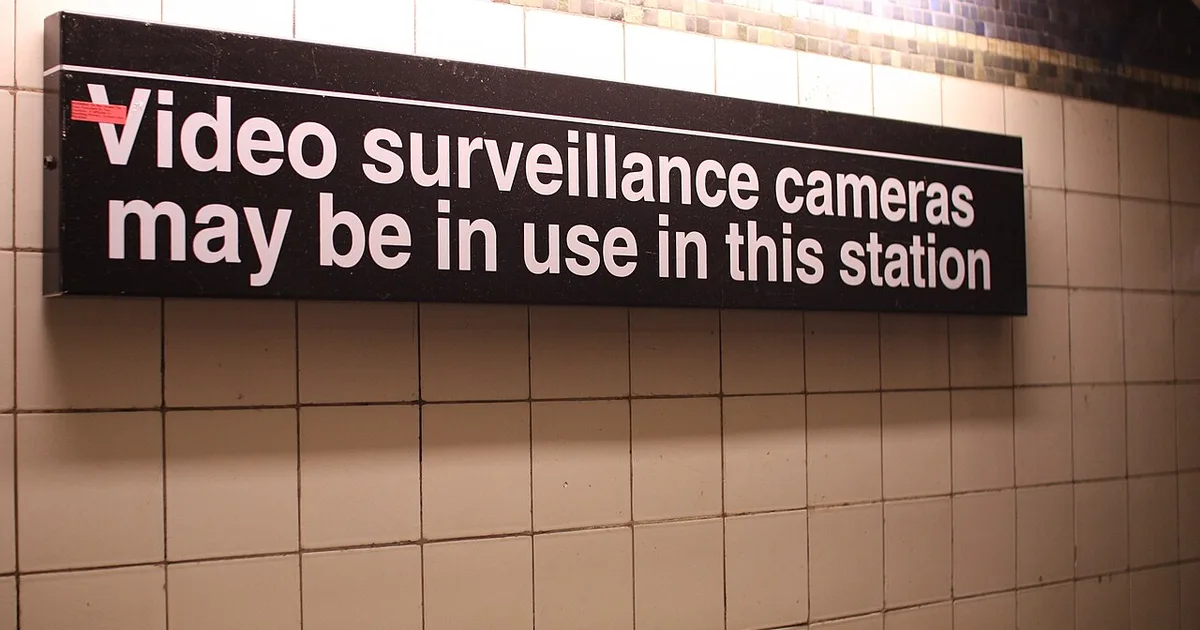
Privacy class action lawsuits in Maine arise when companies illegally collect, store, or misuse personal information belonging to residents of the Pine Tree State. These cases typically involve violations of biometric privacy laws, unauthorized wiretapping, video rental privacy breaches, and improper data handling practices that affect thousands of Maine consumers simultaneously.
Maine residents frequently find themselves targeted by companies that harvest biometric data without consent, record phone calls illegally, or share personal information in violation of federal privacy statutes like the Video Privacy Protection Act (VPPA). Tech companies, retailers, healthcare providers, and telecommunications firms are common defendants in these privacy-focused class actions.
These lawsuits serve as crucial consumer protection mechanisms, allowing Maine residents to seek compensation for privacy violations that might otherwise go unaddressed due to the relatively small individual damages involved. Class actions enable groups of affected Maine consumers to pool their claims and hold large corporations accountable for systematic privacy violations.
Maine Law on Privacy Cases
Maine's Unfair Trade Practices Act (UTPA), codified at 5 M.R.S.A. §§ 205-A to 214, provides broad consumer protections that extend to privacy violations affecting Maine residents. The statute prohibits unfair or deceptive acts in trade or commerce, including unauthorized collection or misuse of personal information. Maine consumers can recover actual damages, attorney fees, and in some cases treble damages under this comprehensive consumer protection framework.
The statute of limitations for UTPA claims in Maine is generally six years from the date of discovery, providing consumers with substantial time to bring privacy-related claims. This extended limitations period is particularly important for privacy cases where consumers may not immediately discover that their personal information has been compromised or misused.
Maine also has specific data breach notification requirements under 10 M.R.S.A. § 1347 et seq., which mandate that companies notify Maine residents when their personal information is compromised. While this statute doesn't create a private right of action, violations can support broader privacy class action claims under Maine's UTPA or federal privacy statutes.
Notable Maine Privacy Settlements
Facebook Facial Recognition Settlement (2021) — $650 million settlement Illinois residents received payments for Facebook's biometric data collection, though Maine residents were excluded from this BIPA-specific settlement.
TikTok Privacy Settlement (2021) — $92 million settlement Nationwide settlement for privacy violations affecting users who downloaded TikTok, including Maine residents who received compensation for unauthorized data collection.
Zoom Privacy Settlement (2021) — $85 million settlement Maine residents who used Zoom received payments for privacy violations related to "Zoombombing" and unauthorized data sharing with third parties.
Facebook Cambridge Analytica Settlement (2022) — $725 million settlement Maine Facebook users were eligible for compensation related to the Cambridge Analytica data harvesting scandal affecting millions of users nationwide.
Clearview AI Settlement (2022) — $9.3 million settlement Illinois-focused biometric privacy settlement, though similar facial recognition privacy claims may affect Maine residents using various platforms.
Google Location Tracking Settlement (2022) — $391.5 million multi-state settlement Maine residents received compensation for Google's deceptive location tracking practices despite user privacy settings.
Are Maine Residents Eligible?
Maine residents typically qualify for privacy class action settlements if they used the defendant's services or products during the specified class period and suffered the alleged privacy violations. Eligibility often depends on specific activities like creating accounts, uploading photos, making video calls, or having biometric data collected without proper consent.
Maine's six-year statute of limitations under the UTPA provides extensive coverage for privacy claims, allowing residents to participate in class actions for violations occurring well before the lawsuit filing date. However, federal privacy statutes like the VPPA may have different limitations periods that could affect eligibility.
Documentation requirements are typically minimal for Maine residents joining privacy class actions, as companies' own records usually establish class membership. Residents should preserve any relevant communications, account information, or evidence of the services used during the alleged violation period to support their claims.
How Maine Residents File Claims
Maine residents can join privacy class action lawsuits by filing claims through settlement websites when cases resolve, or by contacting attorneys handling active litigation. Most privacy class actions proceed as opt-out classes, meaning Maine residents are automatically included unless they specifically exclude themselves from the settlement.
For new privacy violations, Maine residents should document the unauthorized data collection, preserve evidence of their interactions with the defendant company, and consult with experienced class action attorneys familiar with Maine's consumer protection laws. The combination of Maine's UTPA and federal privacy statutes often provides multiple legal theories for recovery.
Class Action Buddy streamlines the claims process for Maine residents by auto-filling settlement forms in just 60 seconds. Our platform tracks active privacy class actions, monitors settlement deadlines, and ensures Maine residents don't miss opportunities for compensation. The automated form completion eliminates the tedious paperwork typically required for privacy class action claims while maximizing recovery potential.
Frequently Asked Questions
What types of privacy violations can Maine residents sue for in class actions?
Maine residents can join class actions for biometric data collection without consent, illegal call recording, video rental privacy violations, unauthorized location tracking, facial recognition technology misuse, and data breaches involving personal information.
How long do Maine residents have to file privacy class action claims?
Under Maine's UTPA, residents generally have six years from discovery of the violation to file claims. However, federal privacy statutes may have different limitation periods, and settlement deadlines are typically much shorter once cases resolve.
Can Maine residents recover damages even if they can't prove specific financial harm from privacy violations?
Yes, many federal privacy statutes like BIPA and VPPA provide statutory damages ranging from $750 to $5,000 per violation without requiring proof of actual financial harm, and Maine's UTPA allows recovery for deceptive practices regardless of monetary loss.
Do Maine residents need to opt into privacy class action lawsuits?
Most privacy class actions are opt-out, meaning Maine residents are automatically included in settlements unless they specifically exclude themselves. Residents typically only need to submit claim forms to receive compensation once cases settle.
What evidence should Maine residents preserve for privacy class action claims?
Maine residents should keep account creation records, app download histories, photos or videos uploaded to platforms, communications about privacy settings, and any notices about data breaches or policy changes from companies that may have violated privacy rights.
Privacy class action lawsuits provide essential protection for Maine residents against corporate data misuse and unauthorized personal information collection. With Maine's strong consumer protection laws and favorable statute of limitations, residents have significant opportunities to recover compensation for privacy violations.
Class Action Buddy makes it simple for Maine residents to participate in privacy settlements and stay informed about new cases. Our 60-second auto-fill technology eliminates barriers to recovery while ensuring you never miss important deadlines. Protect your privacy rights and claim the compensation you deserve.
