TCPA / Robocall Class Action Lawsuits in South Dakota
Last updated April 30, 2026 · By Class Action Buddy
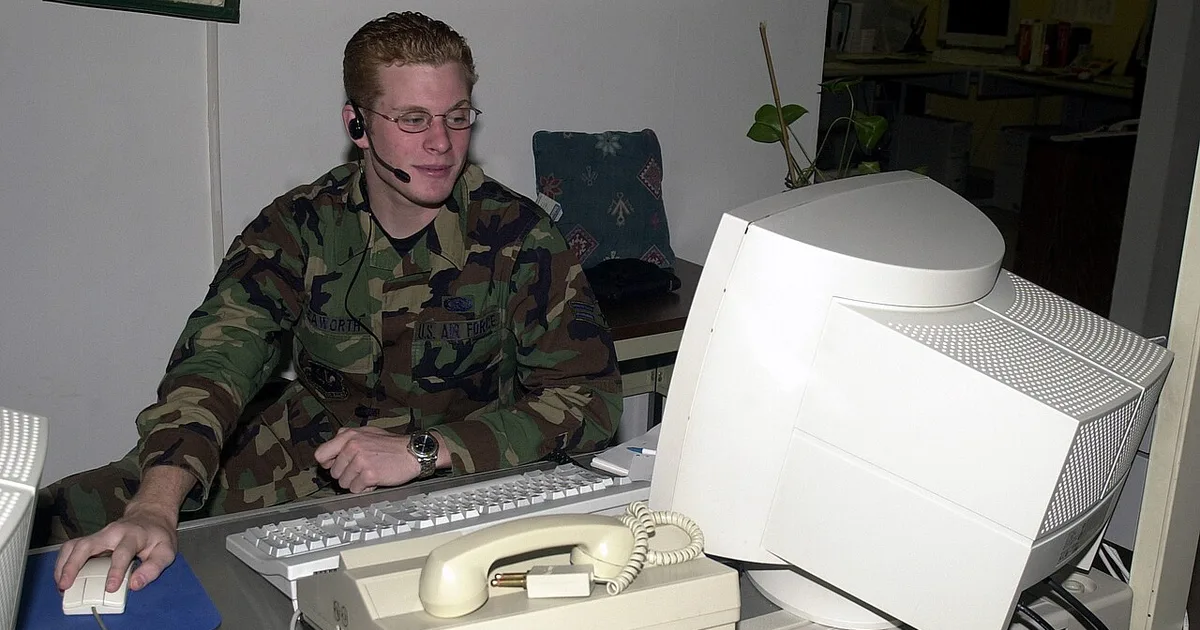
TCPA and robocall class action lawsuits have become increasingly common for South Dakota residents facing unwanted automated calls and spam text messages. The Telephone Consumer Protection Act (TCPA) provides federal protection against intrusive telemarketing practices, allowing consumers to seek damages when companies violate calling restrictions.
These cases typically arise when businesses use automated dialing systems, prerecorded messages, or send unsolicited text messages without proper consent. South Dakota residents often receive illegal robocalls from debt collectors, insurance companies, healthcare providers, and political organizations that fail to follow TCPA guidelines.
Class action lawsuits allow affected consumers to band together against large corporations with significant calling operations. Successful TCPA cases can result in substantial settlements, with individual class members receiving compensation ranging from hundreds to thousands of dollars depending on the violation severity and frequency.
South Dakota Law on TCPA / Robocall Cases
South Dakota's Deceptive Trade Practices Act (SDCL Chapter 37-24) provides additional consumer protection beyond federal TCPA requirements. This statute prohibits unfair or deceptive practices in trade or commerce, including misleading telemarketing activities and unauthorized communications that violate consumer privacy rights.
The state's consumer protection law works in conjunction with TCPA claims, allowing South Dakota residents to pursue damages under both federal and state theories. Violations of the Deceptive Trade Practices Act can result in actual damages, attorney fees, and in some cases, punitive damages when companies engage in willful misconduct.
South Dakota follows a six-year statute of limitations for consumer protection claims under SDCL 15-2-13, which may extend beyond the typical TCPA limitations period. This extended timeframe can benefit consumers who discover violations years after the initial unwanted communications occurred, particularly in cases involving systematic calling campaigns or data breaches that led to unauthorized contact.
What we can verify about South Dakota TCPA / Robocall settlements
We removed a list we could not stand behind. This page used to name specific tcpa / robocall settlements with years and dollar amounts. Checking five of them found only one correct, so rather than repeat the rest we took them down.
Here is the part that actually answers the question. Class actions are almost always federal or multi-state. A settlement that covers South Dakota residents nearly always covers residents of every other state as well, and living in South Dakota rarely decides whether you can claim. What decides it is whether you bought the product, held the account, used the service or received the notice, during the class period the court approved.
Where South Dakota can matter is at the edges: a handful of settlements are limited to one state because the claim rests on that state’s own consumer statute, and a few pay residents of some states more than others. Those restrictions are always stated on the official claim form, and we list them per settlement rather than per state.
For settlements that are genuinely open right now, each one checked against the court-appointed administrator, see our list of open settlements or our guide to settlements with no proof of purchase. If you want to know which have actually cleared final approval and are paying, we track that in which settlements are paying out now.
Are South Dakota Residents Eligible?
South Dakota residents typically qualify for TCPA class actions if they received unwanted robocalls or text messages on their cell phones without providing consent. Eligible calls include automated dialing systems, prerecorded messages, and unsolicited promotional texts that violate federal calling restrictions.
Consumers must generally show they received calls or texts within the applicable statute of limitations period. Under federal TCPA law, this is typically four years from the last violation, though South Dakota's six-year consumer protection statute may extend this timeframe in certain cases.
Residents who previously provided consent may still qualify if they later revoked permission or if companies continued calling after requesting removal from contact lists. Documentation such as call logs, text message screenshots, or phone records can strengthen claims and help establish the frequency and timing of unwanted communications.
How South Dakota Residents File Claims
South Dakota residents can file TCPA class action claims by documenting unwanted robocalls and texts, then joining existing lawsuits or initiating new cases through experienced consumer protection attorneys. Maintaining detailed records of unwanted communications, including dates, times, phone numbers, and message content, strengthens potential claims.
Many TCPA cases proceed as class actions, allowing multiple affected consumers to combine their claims against the same defendant. This approach reduces individual legal costs while maximizing potential settlements through collective bargaining power.
Class Action Buddy streamlines the claim filing process for South Dakota residents by auto-filling necessary legal forms in just 60 seconds. The platform connects consumers with qualified attorneys specializing in TCPA violations and helps organize documentation needed for successful class action participation. This efficient approach eliminates traditional barriers to joining legitimate consumer protection lawsuits.
Frequently Asked Questions
What damages can South Dakota residents recover in TCPA class actions?
South Dakota residents can typically recover $500-$1,500 per illegal robocall or text under federal TCPA law, plus potential damages under state consumer protection statutes. Willful violations may result in treble damages.
How long do South Dakota residents have to file TCPA claims?
Federal TCPA claims must generally be filed within four years of the violation, but South Dakota's consumer protection statute provides a six-year limitations period that may extend this timeframe in certain cases.
Do South Dakota residents need to show actual harm from robocalls?
No, TCPA violations are considered statutory damages, meaning South Dakota residents can recover compensation even without proving specific financial harm or out-of-pocket losses from unwanted calls.
Can South Dakota residents join TCPA class actions for calls to landlines?
TCPA protections primarily cover cell phone calls and texts, though some landline protections exist for calls using artificial or prerecorded voices to residential numbers without consent.
What if South Dakota residents initially consented to robocalls?
South Dakota residents can still qualify for TCPA class actions if they revoked consent, if calls exceeded the scope of original consent, or if companies continued calling after opt-out requests.
TCPA and robocall class action lawsuits provide South Dakota residents with powerful tools to combat unwanted automated communications while recovering meaningful compensation. These cases continue growing as telemarketing violations become more widespread across various industries.
South Dakota's consumer protection laws work alongside federal TCPA requirements to strengthen residents' rights against intrusive calling practices. Class Action Buddy makes participation simple and accessible, connecting affected consumers with experienced attorneys while streamlining the claim process for maximum efficiency and results.
