Banking & Finance Class Action Lawsuits in Connecticut
Last updated April 30, 2026 · By Class Action Buddy
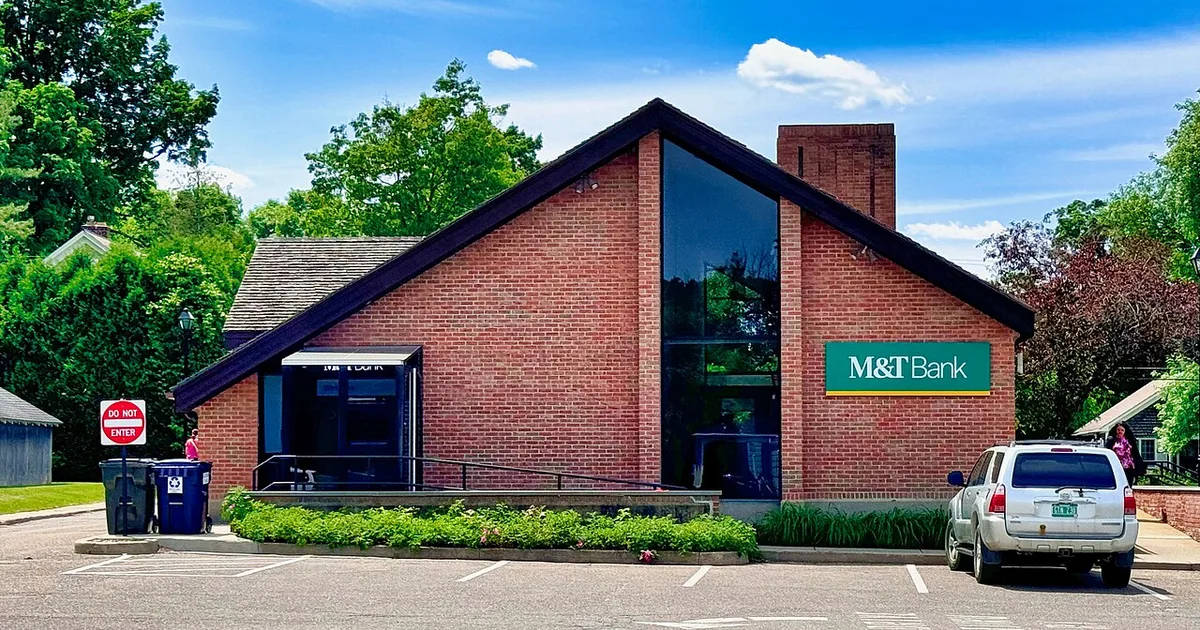
Banking and finance class action lawsuits in Connecticut provide crucial consumer protection against predatory practices by financial institutions. These cases typically arise when banks, credit unions, credit card companies, or mortgage lenders engage in deceptive practices that harm large groups of consumers simultaneously.
Connecticut residents frequently encounter issues like excessive overdraft fees, unauthorized charges, deceptive mortgage practices, and credit card interest rate manipulation. Banks may fail to properly disclose fee structures, impose charges without adequate notice, or process transactions in ways designed to maximize penalty fees rather than benefit customers.
Class action lawsuits become necessary when individual claims are too small to pursue independently, but collectively represent significant harm to thousands of consumers. These cases often result in substantial settlements that provide monetary compensation to affected Connecticut residents while forcing financial institutions to reform their practices. Common defendants include major national banks, regional credit unions, mortgage servicers, and credit card companies operating throughout Connecticut.
Connecticut Law on Banking & Finance Cases
Connecticut's Unfair Trade Practices Act (CUTPA), codified in Connecticut General Statutes Section 42-110a et seq., provides robust protection for consumers against deceptive banking and finance practices. CUTPA prohibits unfair or deceptive acts in trade or commerce, including misleading fee disclosures, unauthorized charges, and predatory lending practices. The statute allows consumers to recover actual damages, punitive damages up to twice the actual damages, and attorney's fees.
Connecticut maintains a three-year statute of limitations for most consumer protection claims under CUTPA, beginning when the consumer discovers or reasonably should have discovered the violation. This discovery rule is particularly important in banking cases where deceptive practices may not be immediately apparent to account holders.
The Connecticut Banking Commissioner also enforces state banking regulations that complement federal oversight. Connecticut's Home Solicitation Sales Act and Truth in Lending regulations provide additional protections for mortgage and credit transactions. Unlike some states, Connecticut does not have a specific biometric privacy law, but CUTPA's broad language covers privacy violations by financial institutions. Connecticut courts have consistently interpreted CUTPA favorably for consumers, often finding that practices legal under federal law may still violate state unfair trade practice standards.
Notable Connecticut Banking & Finance Settlements
Wells Fargo Overdraft Fees Settlement (2022) — $3 billion settlement Wells Fargo agreed to pay for allegedly manipulating debit card transaction sequences to maximize overdraft fees charged to Connecticut customers.
Bank of America Overdraft Settlement (2021) — $505 million settlement Settlement resolved claims that the bank charged multiple overdraft fees on the same transaction and failed to properly process deposits.
JPMorgan Chase Credit Card Interest Settlement (2020) — $28 million settlement Chase allegedly charged Connecticut residents illegal interest rates on credit card accounts in violation of state usury laws.
TD Bank Overdraft Fee Class Action (2019) — $62 million settlement TD Bank settled claims for charging overdraft fees when accounts had sufficient funds available in linked accounts.
Capital One Data Breach Settlement (2021) — $190 million settlement Settlement compensated Connecticut residents whose personal and financial information was exposed in a massive 2019 cybersecurity breach.
Synchrony Bank Interest Rate Settlement (2020) — $22 million settlement Synchrony allegedly failed to apply promotional interest rates to Connecticut customers' credit card accounts as promised.
Are Connecticut Residents Eligible?
Connecticut residents who experienced banking or finance violations during the relevant time period typically qualify for class action settlements. Eligibility generally requires having an account, loan, or credit relationship with the defendant institution while residing in Connecticut when the alleged violations occurred.
Most banking class actions include Connecticut residents automatically if they meet the class definition, though some settlements may have state-specific sub-classes. Connecticut's three-year statute of limitations under CUTPA means claims must generally be filed within three years of discovering the violation, though class action tolling rules may extend these deadlines.
Specific eligibility varies by case but commonly includes customers who paid overdraft fees, experienced unauthorized charges, received deceptive loan terms, or had personal information compromised. Some settlements exclude employees of the defendant financial institution or their immediate family members. Connecticut residents should review settlement notices carefully as eligibility requirements and claim deadlines differ significantly between cases.
How Connecticut Residents File Claims
Connecticut residents can file banking and finance class action claims through settlement websites, by mail, or increasingly through digital platforms that streamline the process. Most settlements require basic information including account details, dates of service, and documentation of fees or damages experienced.
Class Action Buddy simplifies this process by auto-filling claim forms in just 60 seconds using information Connecticut residents provide once. The platform identifies relevant settlements, determines eligibility based on Connecticut law requirements, and submits properly completed forms before deadlines expire.
Traditional filing methods often require manually completing lengthy forms for each settlement, gathering account statements, and tracking multiple deadlines. Many Connecticut residents miss claiming compensation simply due to the administrative burden of filing multiple claims.
For active litigation rather than settlements, Connecticut residents should consult attorneys specializing in consumer protection and CUTPA claims. However, most banking class actions are handled by experienced counsel who represent the entire class, meaning individual Connecticut residents don't need separate legal representation to benefit from successful cases or settlements.
Frequently Asked Questions
How long do Connecticut residents have to file banking class action claims?
Connecticut's statute of limitations under CUTPA is typically three years from discovery of the violation, though class action settlements often have much shorter claim periods of 90-180 days from settlement approval.
Can Connecticut residents join class actions against out-of-state banks?
Yes, Connecticut residents can typically join nationwide class actions against any bank where they held accounts or services, regardless of the bank's headquarters location, as long as they meet the class definition requirements.
Do overdraft fee settlements require proof of financial hardship in Connecticut?
No, most overdraft fee class action settlements compensate all eligible Connecticut account holders who paid the challenged fees, regardless of their financial situation or ability to afford the fees at the time.
Are Connecticut credit union members eligible for banking class action settlements?
Connecticut credit union members may be eligible depending on the specific case, as some class actions include credit unions while others focus solely on traditional banks or specific financial institutions.
How much compensation do Connecticut residents typically receive from banking settlements?
Compensation varies widely from $25-$500 per person depending on the violation type and individual damages, with overdraft fee cases often providing higher amounts than data breach or disclosure violation settlements.
Banking and finance class action lawsuits provide essential protection for Connecticut consumers against predatory financial practices. With Connecticut's strong consumer protection laws under CUTPA and favorable court interpretations, residents have significant legal recourse against banking violations.
Class Action Buddy makes claiming compensation simple for Connecticut residents by automatically identifying eligible settlements and completing claim forms in 60 seconds. Rather than missing deadlines or struggling with complex paperwork, Connecticut consumers can efficiently pursue compensation they deserve from banking class action settlements.