Employment & Wage Class Action Lawsuits in Wisconsin
Last updated April 30, 2026 · By Class Action Buddy
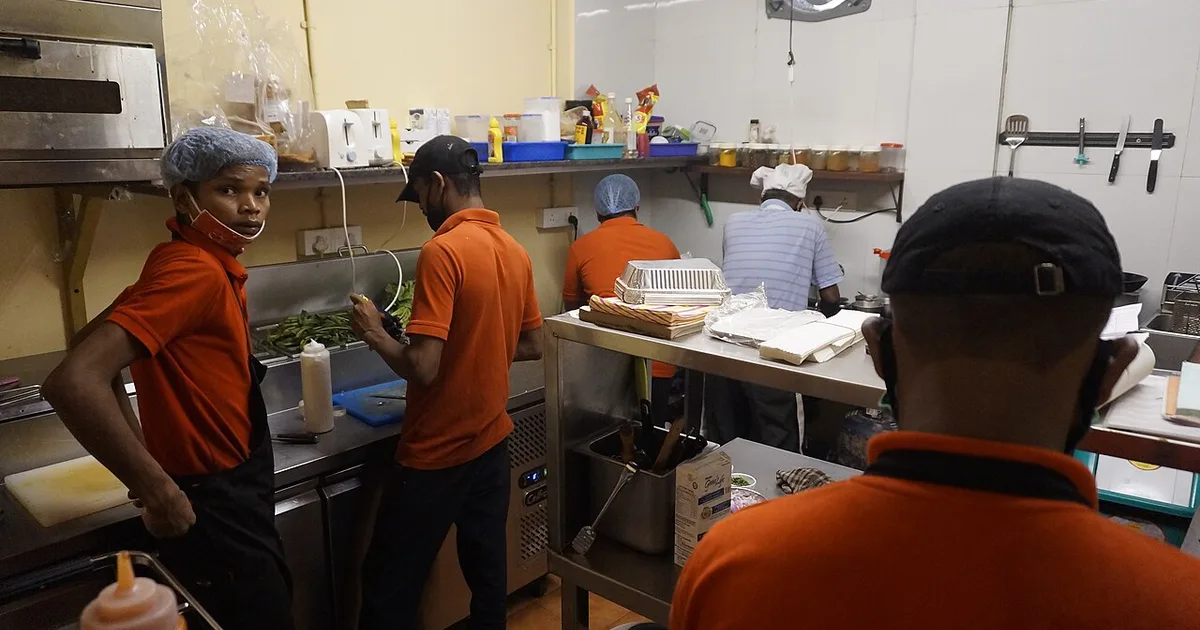
Employment and wage class action lawsuits in Wisconsin address widespread violations of workers' rights, including wage theft, unpaid overtime, and employee misclassification. These cases arise when employers systematically violate the Fair Labor Standards Act (FLSA) or Wisconsin labor laws, affecting groups of workers rather than isolated incidents.
Wisconsin workers across industries face common violations such as unpaid overtime compensation, off-the-clock work requirements, improper break deductions, and misclassification as independent contractors or exempt employees. Retail workers, restaurant staff, healthcare employees, and gig workers are frequently targeted by these practices.
Class action lawsuits provide an effective remedy when individual claims would be too small to pursue alone but collectively represent significant damages. These cases often result in substantial settlements that compensate workers for stolen wages, unpaid overtime, and other violations while forcing employers to change their practices and comply with labor laws going forward.
Wisconsin Law on Employment & Wage Cases
Wisconsin's wage and hour protections complement federal FLSA requirements through state labor statutes and the Wisconsin Consumer Act (WCA). The state mandates minimum wage compliance, proper overtime payment, and timely wage payment upon termination. Wisconsin law requires employers to pay wages at least monthly and within 31 days of the pay period end.
The Wisconsin Consumer Act provides additional protections against unfair business practices that may affect employment relationships. Workers can pursue claims under both state and federal law, with Wisconsin's statute of limitations typically allowing two years for wage claims and three years for willful violations under the FLSA.
Wisconsin's prevailing wage laws require proper compensation on public works projects, while state regulations address meal and rest periods, payroll deductions, and final paycheck requirements. The state also prohibits retaliation against workers who file wage complaints or participate in investigations, providing crucial protections for employees seeking to recover stolen wages through class action litigation.
What we can verify about Wisconsin Employment & Wage settlements
We removed a list we could not stand behind. This page used to name specific & wage settlements with years and dollar amounts. Checking five of them found only one correct, so rather than repeat the rest we took them down.
Here is the part that actually answers the question. Class actions are almost always federal or multi-state. A settlement that covers Wisconsin residents nearly always covers residents of every other state as well, and living in Wisconsin rarely decides whether you can claim. What decides it is whether you bought the product, held the account, used the service or received the notice, during the class period the court approved.
Where Wisconsin can matter is at the edges: a handful of settlements are limited to one state because the claim rests on that state’s own consumer statute, and a few pay residents of some states more than others. Those restrictions are always stated on the official claim form, and we list them per settlement rather than per state.
For settlements that are genuinely open right now, each one checked against the court-appointed administrator, see our list of open settlements or our guide to settlements with no proof of purchase. If you want to know which have actually cleared final approval and are paying, we track that in which settlements are paying out now.
Are Wisconsin Residents Eligible?
Wisconsin residents who worked for employers engaging in systematic wage violations may qualify for employment and wage class action settlements. Eligible workers typically include those denied proper overtime pay, forced to work off-the-clock, improperly classified as exempt employees, or misclassified as independent contractors when they should have been employees.
Most employment class actions cover workers employed during specific time periods, usually ranging from two to three years before the lawsuit filing date due to statute of limitations requirements. Wisconsin's wage claim limitations generally allow two years for most violations and three years for willful FLSA violations.
Common qualifying scenarios include restaurant workers denied overtime, retail employees required to work through breaks, healthcare workers with improper on-call pay, and delivery drivers misclassified as contractors. Workers must typically demonstrate employment during the relevant time period and experience of the specific violations alleged in each case.
How Wisconsin Residents File Claims
Wisconsin workers can file employment and wage class action claims by identifying relevant lawsuits and submitting required documentation proving employment and damages. Many cases require basic employment records, pay stubs, work schedules, and evidence of the alleged violations during the specified time periods.
Class Action Buddy streamlines this process by automatically identifying relevant settlements and auto-filling claim forms in just 60 seconds. The platform connects Wisconsin workers with appropriate employment and wage class actions based on their work history and employer information.
Workers should act quickly as most employment class action settlements have strict filing deadlines, typically 60-120 days after final approval. Required documentation often includes W-2 forms, employment verification, and records showing unpaid wages or overtime violations. Class Action Buddy helps gather and organize this information efficiently.
Legal representation is often unnecessary for settlement claims, as class action administrators handle the distribution process. However, workers should maintain employment records and respond promptly to settlement notices to maximize their recovery potential.
Frequently Asked Questions
How long do Wisconsin workers have to file wage theft claims?
Wisconsin generally allows two years to file wage claims, or three years for willful FLSA violations. Class action settlements typically have separate deadlines of 60-120 days after court approval.
Can independent contractors join Wisconsin employment class actions?
Only if they were misclassified as independent contractors when they should have been employees. Many class actions specifically address this misclassification issue.
What documents do Wisconsin workers need for wage class action claims?
Typically pay stubs, W-2 forms, employment verification, work schedules, and any records showing unpaid wages or overtime violations during the relevant time period.
Do Wisconsin workers need lawyers for employment class action settlements?
No, settlement claims are usually handled administratively. Workers can file directly with settlement administrators or use services like Class Action Buddy to streamline the process.
Can Wisconsin workers be fired for joining employment class actions?
No, both federal and Wisconsin law prohibit retaliation against workers who participate in wage and hour investigations or lawsuits.
Wisconsin workers deserve fair compensation and protection from wage theft, overtime violations, and employee misclassification. Employment and wage class action lawsuits provide crucial accountability and compensation when employers violate labor laws systematically.
Class Action Buddy makes it easy for Wisconsin residents to identify and file relevant employment claims quickly and efficiently. Don't let employers keep wages that rightfully belong to you—use Class Action Buddy to auto-fill your claim forms in 60 seconds and recover the compensation you deserve under Wisconsin and federal labor laws.