Food & Beverage Class Action Lawsuits in Alabama
Last updated April 30, 2026 · By Class Action Buddy
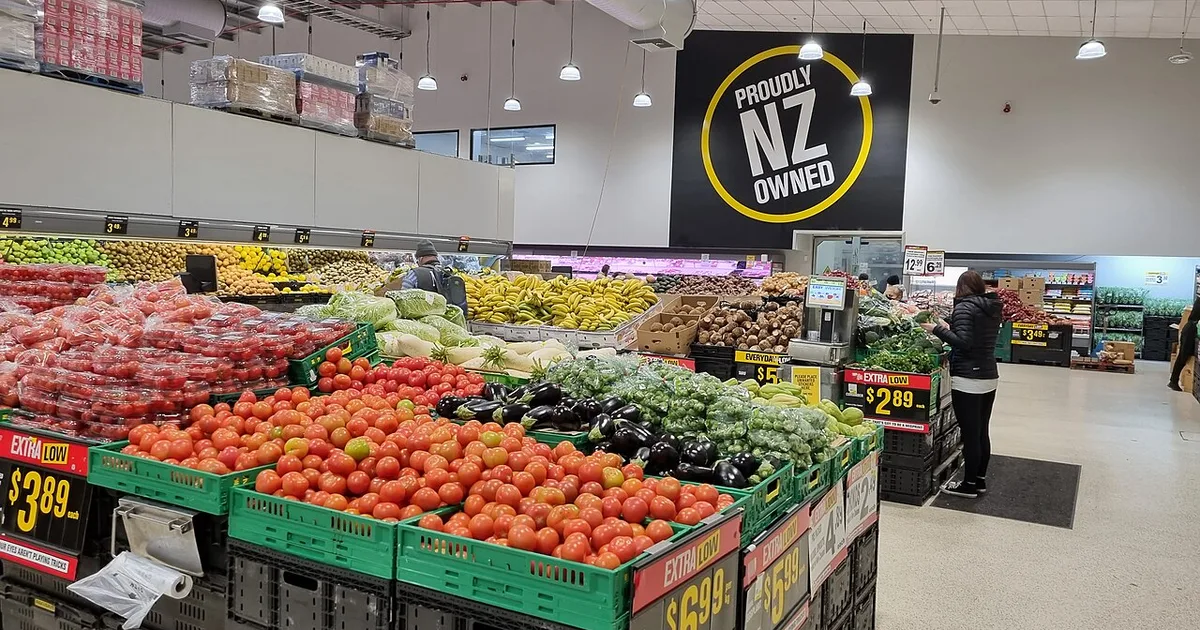
Food and beverage class action lawsuits in Alabama protect consumers from deceptive marketing, contaminated products, and misleading labeling practices. These cases typically arise when companies make false health claims, fail to disclose allergens, mislabel ingredients, or distribute contaminated food products that cause illness or financial harm.
Alabama residents frequently participate in nationwide class actions against major food manufacturers, grocery chains, and beverage companies. Common issues include undisclosed GMO ingredients, "natural" labeling on processed foods, contamination recalls, and products that don't match their advertised nutritional content.
These lawsuits serve as crucial consumer protection mechanisms, holding food companies accountable for their marketing practices and product safety standards. Settlements often provide monetary compensation to affected consumers while forcing companies to change their labeling and manufacturing practices to prevent future violations.
Alabama Law on Food & Beverage Cases
Alabama's consumer protection framework primarily operates through the Alabama Deceptive Trade Practices Act (ADTPA), which prohibits unfair or deceptive practices in trade or commerce, including food and beverage marketing. Under ADTPA, consumers can recover actual damages, and in cases involving willful violations, may obtain treble damages plus reasonable attorney fees.
The statute of limitations for ADTPA claims is generally two years from when the consumer knew or should have known of the deceptive practice. This timeline is crucial for food labeling cases where consumers may not immediately realize they've been misled about ingredients or health benefits.
Alabama courts have interpreted ADTPA broadly to cover various consumer harms, including misleading food labeling and false advertising. The state also enforces federal food safety regulations through the Alabama Department of Public Health, which can initiate recalls and investigations that often lead to class action litigation. Unlike some states, Alabama doesn't have specific biometric privacy laws, but food contamination cases may involve additional tort claims for personal injury or property damage beyond standard consumer protection violations.
Notable Alabama Food & Beverage Settlements
Blue Diamond Almond Breeze (2018) — $7.5 million settlement Alleged "all natural" almondmilk contained synthetic ingredients and wasn't truly natural as advertised.
LaCroix Sparkling Water (2019) — $2.2 million settlement Claims that "natural" flavored sparkling water contained synthetic compounds not disclosed to consumers.
Honey Bunches of Oats (2020) — $4 million settlement Post cereal allegedly contained more sugar than advertised and misled consumers about nutritional content.
Simply Orange Juice (2017) — $9 million settlement Coca-Cola's Simply Orange allegedly wasn't as "simple" or natural as marketed, containing flavor packs and additives.
Annie's Mac & Cheese (2019) — $1.9 million settlement "Natural" mac and cheese allegedly contained synthetic ingredients despite organic and natural marketing claims.
Wesson Oil (2021) — $3 million settlement Cooking oil labeled "100% Natural" allegedly contained genetically modified ingredients not disclosed to consumers.
Are Alabama Residents Eligible?
Alabama residents who purchased qualifying food or beverage products during specified class periods are typically eligible to participate in settlements. Eligibility requirements vary by case but generally include proof of purchase within Alabama and during the relevant timeframe, usually spanning several years before the lawsuit filing.
Most food and beverage class actions don't require proof of actual harm or reliance on specific advertising claims. Simply purchasing the mislabeled product during the class period is often sufficient for eligibility. However, Alabama's two-year statute of limitations under ADTPA means residents must file claims within two years of discovering the deceptive practice.
Some settlements have specific geographic restrictions or exclude certain purchase locations. Alabama residents should verify their purchases occurred within the state and from covered retailers, as some cases exclude online purchases or specific store chains from settlement benefits.
How Alabama Residents File Claims
Filing food and beverage class action claims in Alabama typically involves submitting proof of purchase and personal information through settlement websites or claim forms. Most settlements accept various proof types, including receipts, credit card statements, store loyalty card records, or sworn declarations for smaller claim amounts.
Alabama residents can file claims individually or through legal representation, though most food and beverage class actions operate as opt-out classes where residents are automatically included unless they choose to exclude themselves. Settlement deadlines are strictly enforced, making timely filing crucial for receiving compensation.
Class Action Buddy streamlines the filing process by auto-filling claim forms in just 60 seconds using your purchase information and legal details. The platform tracks multiple settlements simultaneously, ensuring Alabama residents don't miss filing deadlines or overlook eligible cases. This automated approach significantly reduces the time and complexity typically associated with class action claims while maximizing potential recovery from multiple settlements.
Frequently Asked Questions
Do I need receipts to file food and beverage class action claims in Alabama?
While receipts are preferred, most settlements accept credit card statements, store loyalty card records, or sworn declarations for purchases under certain dollar amounts. Alabama residents should gather any available purchase records.
How long do Alabama residents have to file food labeling claims?
Alabama's statute of limitations is generally two years from discovering the deceptive practice, but settlement claim deadlines are typically much shorter, often 60-120 days after final approval.
Can Alabama residents join class actions against out-of-state food companies?
Yes, Alabama residents can participate in nationwide class actions against any food company whose products were sold in Alabama, regardless of where the company is headquartered.
What damages can Alabama residents recover in food mislabeling cases?
Typical recoveries include purchase price refunds, partial reimbursements, or fixed amounts per product. Under Alabama law, willful violations may result in treble damages plus attorney fees.
Do food contamination recalls automatically create class action eligibility?
Not automatically, but recalls often trigger class action investigations. Alabama residents affected by recalled products should monitor for related lawsuits and preserve purchase records.
Alabama residents deserve protection from deceptive food labeling and contaminated products that violate consumer trust and safety standards. Food and beverage class actions provide essential recourse for misleading marketing practices while encouraging industry-wide improvements in product safety and transparency.
Don't let complex filing procedures prevent you from claiming rightful compensation. Class Action Buddy simplifies the entire process, automatically identifying eligible cases and completing claim forms in 60 seconds. Take action today to protect your consumer rights and recover compensation from food and beverage companies that have violated Alabama consumer protection laws.