Food & Beverage Class Action Lawsuits in Wisconsin
Last updated April 30, 2026 · By Class Action Buddy
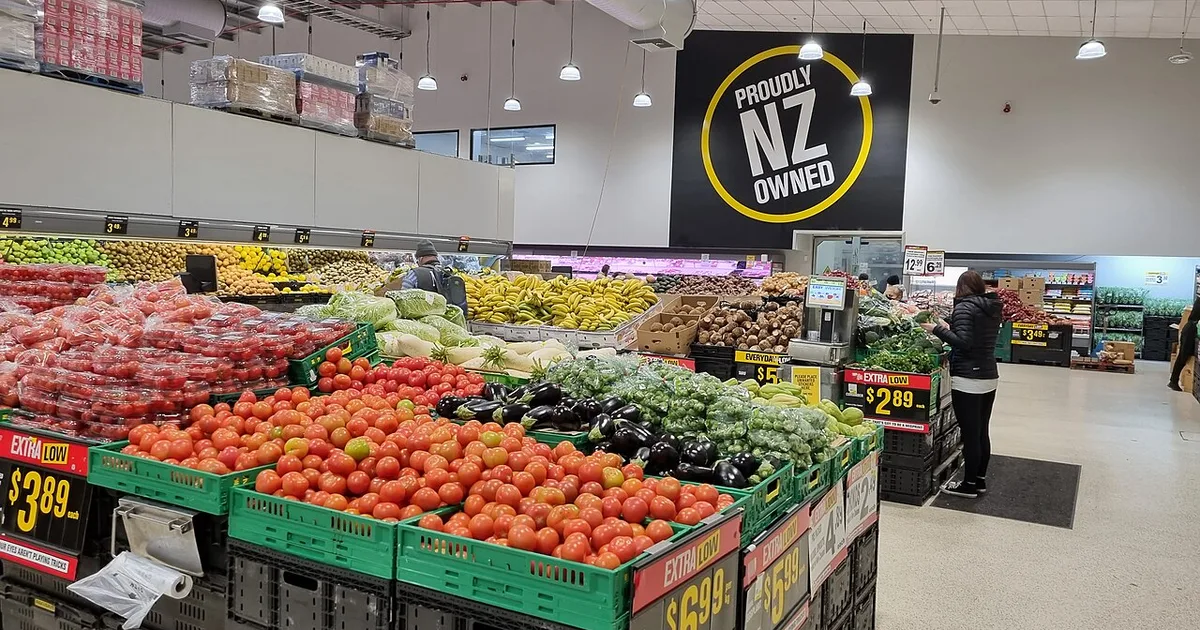
Food and beverage class action lawsuits in Wisconsin arise when companies engage in deceptive marketing practices, mislabel products, or fail to adequately warn consumers about contamination risks. These cases typically involve false advertising claims, undisclosed ingredients, misleading health benefits, or products that don't match their advertised descriptions.
Wisconsin residents are frequently affected by nationwide food labeling disputes involving major manufacturers and retailers. Common issues include products marketed as "natural" or "organic" that contain synthetic ingredients, items advertised as containing certain percentages of real ingredients that fall short, and beverages with misleading nutritional claims.
Class action lawsuits provide Wisconsin consumers with a mechanism to seek compensation when individual damages may be small but the collective harm is significant. These cases often result in monetary settlements, changes to labeling practices, and improved transparency in food marketing across the industry.
Wisconsin Law on Food & Beverage Cases
Wisconsin's consumer protection framework for food and beverage cases primarily operates under the Wisconsin Deceptive Trade Practices Act (WDTPA), found in Wisconsin Statutes Chapter 100. This law prohibits false, deceptive, or misleading representations in the sale of consumer goods, including food products. The WDTPA allows consumers to recover actual damages, and in cases involving intentional violations, up to three times their actual damages plus reasonable attorney fees.
The statute of limitations for WDTPA claims is typically three years from the date the deceptive practice occurred or should have been discovered. Wisconsin courts have interpreted this broadly in food labeling cases, often allowing the discovery rule to extend the limitations period when consumers couldn't reasonably have known about the deceptive practices.
Wisconsin also enforces federal food safety regulations through state agencies and provides additional consumer protections under common law theories like breach of express warranty and unjust enrichment. The state's approach to food labeling cases often focuses on whether reasonable consumers would be misled by the packaging or marketing claims, creating a relatively consumer-friendly environment for class action litigation.
What we can verify about Wisconsin Food & Beverage settlements
We removed a list we could not stand behind. This page used to name specific & beverage settlements with years and dollar amounts. Checking five of them found only one correct, so rather than repeat the rest we took them down.
Here is the part that actually answers the question. Class actions are almost always federal or multi-state. A settlement that covers Wisconsin residents nearly always covers residents of every other state as well, and living in Wisconsin rarely decides whether you can claim. What decides it is whether you bought the product, held the account, used the service or received the notice, during the class period the court approved.
Where Wisconsin can matter is at the edges: a handful of settlements are limited to one state because the claim rests on that state’s own consumer statute, and a few pay residents of some states more than others. Those restrictions are always stated on the official claim form, and we list them per settlement rather than per state.
For settlements that are genuinely open right now, each one checked against the court-appointed administrator, see our list of open settlements or our guide to settlements with no proof of purchase. If you want to know which have actually cleared final approval and are paying, we track that in which settlements are paying out now.
Are Wisconsin Residents Eligible?
Wisconsin residents who purchased qualifying food or beverage products during specified class periods may be eligible for compensation. Eligibility typically requires proof of purchase within Wisconsin, though some courts accept affidavits for low-value items when receipts aren't available.
The three-year statute of limitations under Wisconsin's WDTPA means claims must generally be filed within three years of discovering the alleged deceptive practice. However, the discovery rule often extends this period in food labeling cases where the deception wasn't immediately apparent to consumers.
Wisconsin class members must demonstrate they purchased the product and were potentially deceived by the labeling or marketing. Residents don't need to prove they read specific labels or relied on particular claims, as Wisconsin law recognizes that misleading packaging can influence purchasing decisions even subconsciously. Some settlements exclude purchases for resale or commercial use, limiting recovery to individual consumer purchases.
How Wisconsin Residents File Claims
Wisconsin residents can join food and beverage class actions by filing claims during designated settlement periods or by contacting attorneys handling active litigation. Most food labeling settlements allow claims without proof of purchase for amounts under $20, accepting sworn statements about purchases instead.
The claims process typically involves providing purchase information, contact details, and attestations about buying the products during specific time periods. Wisconsin residents should monitor settlement websites and legal notices in local media for filing deadlines and required documentation.
Class Action Buddy streamlines this process by auto-filling claim forms in just 60 seconds, helping Wisconsin consumers quickly submit accurate information for multiple settlements. The platform tracks deadlines and ensures residents don't miss opportunities for compensation from food and beverage class actions. Many settlements provide cash payments ranging from $5 to $50 per household, with larger amounts available for consumers with receipts proving extensive purchases.
Frequently Asked Questions
Do I need receipts to join a food class action lawsuit in Wisconsin?
Most Wisconsin food and beverage settlements accept sworn statements for purchases under $20-40. Receipts are typically only required for larger claim amounts, though having them can increase your potential compensation.
How long do Wisconsin residents have to file food labeling claims?
Wisconsin's WDTPA provides a three-year statute of limitations, but settlement claim periods are usually much shorter - typically 90-180 days after final approval. Always check specific deadlines for each case.
Can Wisconsin residents join class actions for products bought online?
Yes, if you're a Wisconsin resident and purchased products that were shipped to Wisconsin addresses, you're typically eligible regardless of whether you bought them online or in physical stores.
What damages can Wisconsin consumers recover in food class action cases?
Wisconsin residents can recover actual damages under the WDTPA, and potentially up to three times damages for intentional violations, plus attorney fees. Most settlements provide fixed amounts ranging from $5-50 per household.
Are there Wisconsin-specific food labeling laws that strengthen class action claims?
Wisconsin enforces the WDTPA's prohibition on deceptive practices, which courts have applied broadly to food labeling. The state also recognizes common law warranty claims that can supplement federal food labeling violations.
Wisconsin residents affected by deceptive food and beverage marketing practices have strong legal protections under state consumer laws. The WDTPA and federal regulations create multiple avenues for recovery when companies mislead consumers about ingredients, nutritional content, or product qualities.
Class Action Buddy makes it simple for Wisconsin consumers to participate in these important cases by automatically completing claim forms in 60 seconds. Don't let food companies profit from deceptive practices - join the fight for honest labeling and fair compensation through Class Action Buddy today.