Health Supplements Class Action Lawsuits in Georgia
Last updated April 30, 2026 · By Class Action Buddy
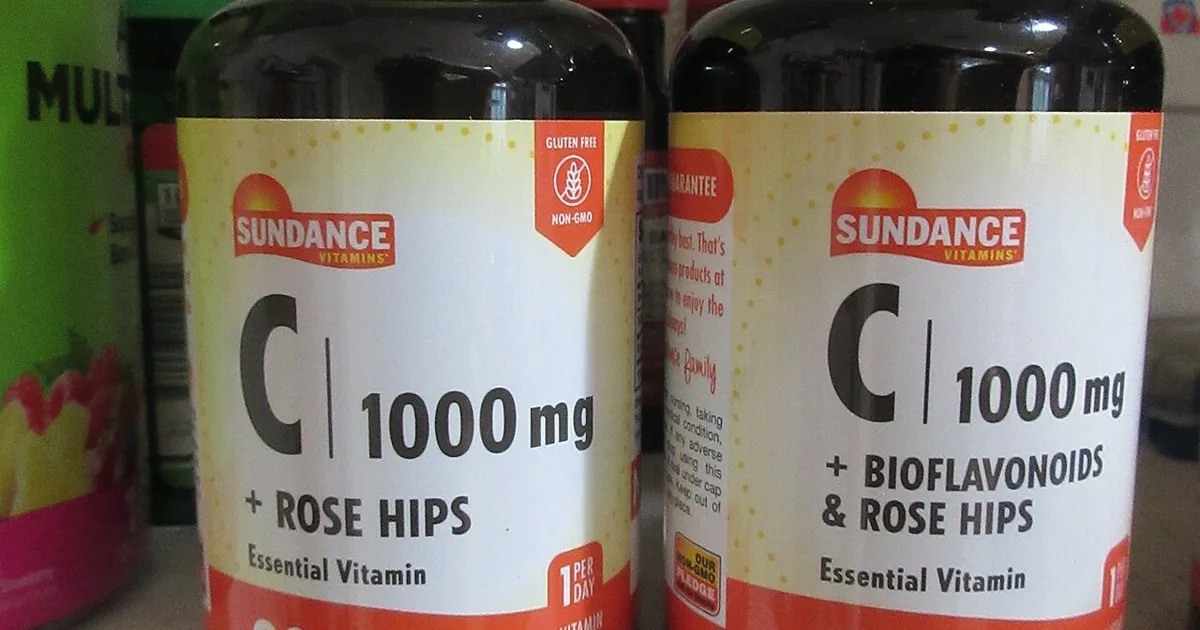
Health supplements class action lawsuits in Georgia arise when supplement manufacturers make false claims about their products' benefits, fail to disclose harmful ingredients, or engage in deceptive marketing practices. These cases frequently involve vitamins, protein powders, joint supplements, and weight loss products that don't deliver promised results or contain undisclosed substances.
Georgia residents are commonly affected by nationwide supplement class actions because these products are sold across state lines through major retailers, online platforms, and direct marketing campaigns. Typical issues include supplements marketed as "natural" that contain synthetic ingredients, weight loss products with undisclosed stimulants, or joint supplements with ineffective dosages of active ingredients.
Class action lawsuits provide an avenue for Georgia consumers to seek compensation for purchasing ineffective or mislabeled supplements. These cases often result in monetary settlements, product recalls, and changes to marketing practices, helping protect future consumers from similar deceptive practices.
Georgia Law on Health Supplements Cases
Georgia's Fair Business Practices Act (O.C.G.A. § 10-1-390 et seq.) serves as the state's primary consumer protection statute, prohibiting unfair and deceptive practices in the sale of supplements and vitamins. This law allows consumers to recover actual damages, and in cases involving knowing violations, treble damages plus attorney fees for supplement-related fraud.
The Act specifically covers misrepresentations about supplement effectiveness, failure to disclose material facts about ingredients, and false advertising claims about weight loss or joint health benefits. Georgia courts have interpreted this statute broadly to protect consumers from supplement companies that make unsubstantiated health claims or hide potentially harmful ingredients.
Georgia's statute of limitations for consumer protection claims is generally four years from when the consumer discovered or should have discovered the deceptive practice. For supplement cases, this typically begins when consumers learn that products don't work as advertised or contain undisclosed ingredients. Georgia law also provides additional protections under the state's warranty laws, which can apply to supplement purchases made with specific performance promises.
Notable Georgia Health Supplements Settlements
Prevagen Memory Supplement (2020) — $12.3 million settlement Settlement over claims that this brain health supplement's marketing was misleading about memory improvement benefits.
Hydroxycut Weight Loss (2017) — $8 million settlement Class action resolved claims that weight loss supplements were marketed with unsubstantiated effectiveness claims and safety concerns.
Garden of Life Protein Powder (2019) — $5.8 million settlement Settlement addressed allegations that organic protein powders contained synthetic ingredients despite "natural" labeling.
Align Probiotic Supplements (2016) — $49.26 million settlement Nationwide settlement over claims that digestive health benefits were overstated in marketing materials.
Osteo Bi-Flex Joint Supplements (2018) — $3.3 million settlement Class action resolved claims about misleading marketing regarding joint pain relief effectiveness.
Nature Made Supplements (2021) — $6.3 million settlement Settlement over allegations that vitamin potency claims were inaccurate and products contained lower amounts than labeled.
Are Georgia Residents Eligible?
Georgia residents who purchased qualifying health supplements during specified class periods may be eligible for compensation. Eligibility typically requires proof of purchase through receipts, credit card statements, or store loyalty card records, though some settlements accept sworn declarations for smaller claims.
The statute of limitations under Georgia's Fair Business Practices Act generally allows four years from discovery of the deceptive practice. For supplement cases, this usually means four years from when consumers learned about false claims or ineffective ingredients, not necessarily from the purchase date.
State-specific restrictions may apply based on where supplements were purchased within Georgia or whether residents suffered actual damages. Some settlements require proof that consumers relied on specific marketing claims when making purchases, while others simply require proof of purchase during the relevant time period.
How Georgia Residents File Claims
Georgia residents can file health supplement class action claims by locating active settlements through court records, legal notice websites, or consumer protection resources. Most supplement class actions require online claim submission with proof of purchase and basic contact information.
Class Action Buddy streamlines this process for Georgia residents by automatically filling out settlement claim forms in just 60 seconds. The platform identifies eligible settlements, gathers necessary information, and submits claims on behalf of consumers, eliminating the time-consuming process of manually completing multiple settlement forms.
Important deadlines vary by case, with most supplement settlements requiring claim submission within 60-90 days of final approval. Georgia residents should act quickly when eligible settlements are identified, as late claims are typically rejected. Keep purchase records, as settlements often provide higher compensation amounts for consumers who can provide proof of purchase rather than relying on sworn declarations alone.
Frequently Asked Questions
What proof do I need for Georgia supplement class action claims?
Most settlements accept receipts, credit card statements, or store loyalty card records. Some allow sworn declarations if you can't locate purchase proof, though documented purchases typically receive higher compensation.
How long do Georgia residents have to file supplement class action claims?
Georgia's statute of limitations is generally four years from discovering the deceptive practice, but individual settlement deadlines are much shorter, usually 60-90 days from court approval.
Do I need to show I was harmed by the supplement to qualify?
Requirements vary by case. Some Georgia settlements only require proof of purchase during the class period, while others require evidence that you relied on specific false marketing claims.
Can I join multiple supplement class actions if I bought different products?
Yes, Georgia residents can participate in multiple unrelated supplement class actions as long as they meet the eligibility requirements for each separate case.
What compensation can Georgia residents expect from supplement settlements?
Compensation varies widely, from $5-50 for small settlements to hundreds of dollars for major cases, depending on purchase amounts, harm suffered, and the total settlement size.
Georgia residents affected by deceptive health supplement marketing have legal protections under state consumer protection laws and opportunities for compensation through class action settlements. With the supplement industry's history of unsubstantiated claims and mislabeling, staying informed about active class actions is crucial for recovering money spent on ineffective products.
Class Action Buddy makes it simple for Georgia consumers to identify and file supplement class action claims quickly and efficiently. Don't let supplement companies profit from deceptive practices—use Class Action Buddy to claim your compensation in just 60 seconds.