Health Supplements Class Action Lawsuits in Missouri
Last updated April 30, 2026 · By Class Action Buddy
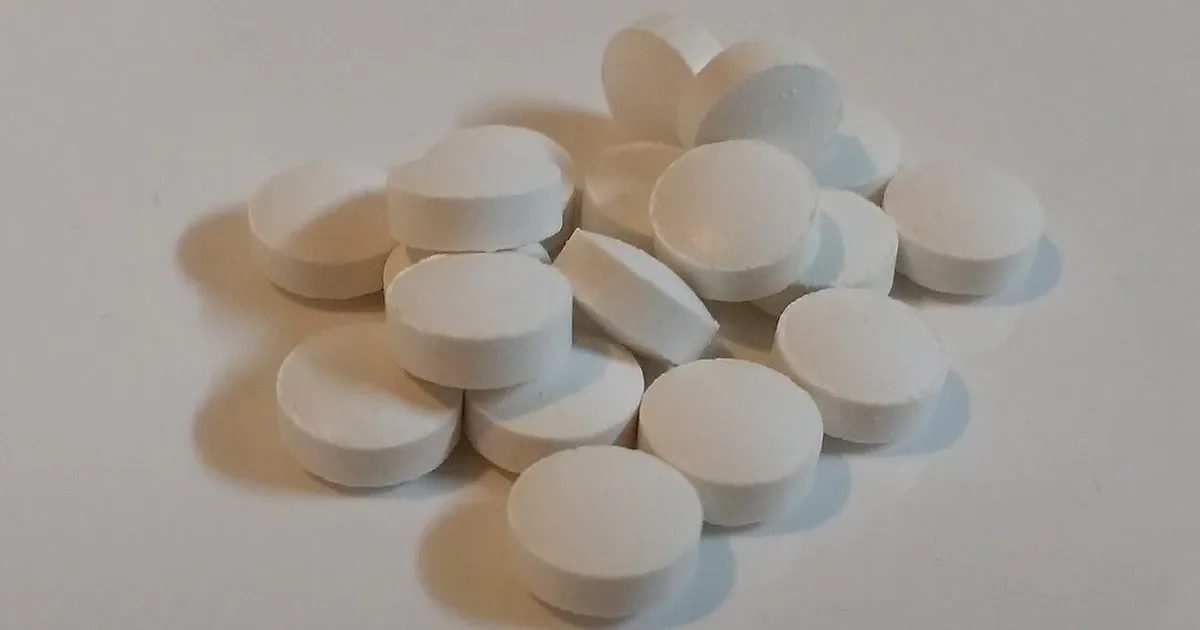
Health supplements class action lawsuits in Missouri typically arise when supplement companies make false claims about their products' effectiveness, safety, or ingredients. These cases often involve vitamins, protein powders, joint support formulas, and weight loss supplements that fail to deliver promised results or contain undisclosed ingredients.
Missouri residents are frequently affected by nationwide supplement litigation due to the state's large consumer base and active legal community. Common issues include supplements contaminated with prescription drugs, products containing banned substances, or companies making unsubstantiated health claims without FDA approval.
Class action lawsuits provide Missouri consumers with a powerful tool to seek compensation when individual damages might be too small to pursue separately. These cases often result in significant settlements that compensate affected consumers while forcing companies to change their deceptive marketing practices and improve product quality standards.
Missouri Law on Health Supplements Cases
Missouri's Merchandising Practices Act (MMPA) provides strong protection for consumers harmed by deceptive supplement marketing. Under Missouri Revised Statutes Section 407.020, the MMPA prohibits unfair or deceptive practices in trade or commerce, including false advertising about supplement benefits or ingredient safety. This law allows consumers to recover actual damages, attorney fees, and punitive damages in successful cases.
Missouri consumers must file MMPA claims within five years of discovering the deceptive practice, providing a generous statute of limitations compared to many states. The law specifically covers misrepresentations about product characteristics, benefits, or approval status, making it particularly effective against supplement companies making unsubstantiated health claims.
Missouri courts have consistently held that supplement companies cannot escape liability by disclaiming their marketing claims or relying on FDA non-regulation of dietary supplements. The state's consumer protection framework requires clear, truthful advertising regardless of federal regulatory gaps, giving Missouri residents strong legal recourse against deceptive supplement practices.
What we can verify about Missouri Health Supplements settlements
We removed a list we could not stand behind. This page used to name specific supplements settlements with years and dollar amounts. Checking five of them found only one correct, so rather than repeat the rest we took them down.
Here is the part that actually answers the question. Class actions are almost always federal or multi-state. A settlement that covers Missouri residents nearly always covers residents of every other state as well, and living in Missouri rarely decides whether you can claim. What decides it is whether you bought the product, held the account, used the service or received the notice, during the class period the court approved.
Where Missouri can matter is at the edges: a handful of settlements are limited to one state because the claim rests on that state’s own consumer statute, and a few pay residents of some states more than others. Those restrictions are always stated on the official claim form, and we list them per settlement rather than per state.
For settlements that are genuinely open right now, each one checked against the court-appointed administrator, see our list of open settlements or our guide to settlements with no proof of purchase. If you want to know which have actually cleared final approval and are paying, we track that in which settlements are paying out now.
Are Missouri Residents Eligible?
Missouri residents typically qualify for health supplements class actions if they purchased affected products within the state during specified time periods, usually ranging from one to five years before lawsuit filing. Eligibility often requires proof of purchase through receipts, credit card statements, or store loyalty program records.
Under Missouri's Merchandising Practices Act, consumers must demonstrate they relied on the company's deceptive marketing when making their purchase decision. This standard is generally easier to meet than federal requirements, as Missouri law presumes consumer reliance on prominent advertising claims about supplement effectiveness or safety.
The five-year statute of limitations under Missouri law provides generous recovery windows compared to other states. Missouri residents who suffered health complications from supplements may qualify for additional medical expense compensation beyond standard refund amounts, particularly in cases involving contaminated or mislabeled products.
How Missouri Residents File Claims
Missouri residents can join health supplements class actions by filing claim forms during designated settlement periods, typically lasting 90-180 days after court approval. Most claims require basic information including purchase details, product types, and estimated spending amounts on affected supplements.
Class Action Buddy streamlines this process for Missouri residents by auto-filling complex claim forms in just 60 seconds. The platform maintains updated databases of active supplement settlements affecting Missouri consumers and automatically calculates potential compensation based on purchase patterns and settlement terms.
Documentation requirements vary by case, but Missouri residents should gather receipts, credit card statements, and any medical records related to supplement use. Many settlements accept alternative proof like store loyalty cards or sworn affidavits when original receipts are unavailable, making recovery accessible even for consumers with limited purchase documentation.
Frequently Asked Questions
What types of health supplements are commonly involved in Missouri class actions?
Weight loss pills, protein powders, joint support supplements, memory enhancers, and vitamin formulations frequently face litigation in Missouri for false advertising, contamination, or ineffective ingredients.
How long do Missouri residents have to file supplement class action claims?
Claim periods typically last 90-180 days after settlement approval, but Missouri's Merchandising Practices Act allows up to 5 years from discovery of deceptive practices to initiate legal action.
Do I need receipts to participate in Missouri supplement class actions?
While receipts help maximize compensation, many Missouri settlements accept alternative proof like credit card statements, store loyalty programs, or sworn affidavits about purchase history.
What compensation can Missouri residents expect from supplement settlements?
Typical awards range from $10-100 per product depending on purchase amounts and settlement size, with additional medical expense coverage available in contamination or injury cases.
Are online supplement purchases covered in Missouri class actions?
Yes, Missouri residents can recover for supplements purchased online, in-store, or through subscription services if the products were shipped to Missouri addresses during class periods.
Missouri's strong consumer protection laws and generous statute of limitations make the state favorable for health supplements class action recovery. The Merchandising Practices Act provides powerful tools for Missouri residents harmed by deceptive supplement marketing or dangerous products.
Don't miss out on compensation you deserve from supplement companies that violated Missouri consumer protection laws. Class Action Buddy makes filing claims simple and fast, automatically identifying eligible settlements and completing paperwork in 60 seconds. Protect your rights as a Missouri consumer today.