Health Supplements Class Action Lawsuits in Rhode Island
Last updated April 30, 2026 · By Class Action Buddy
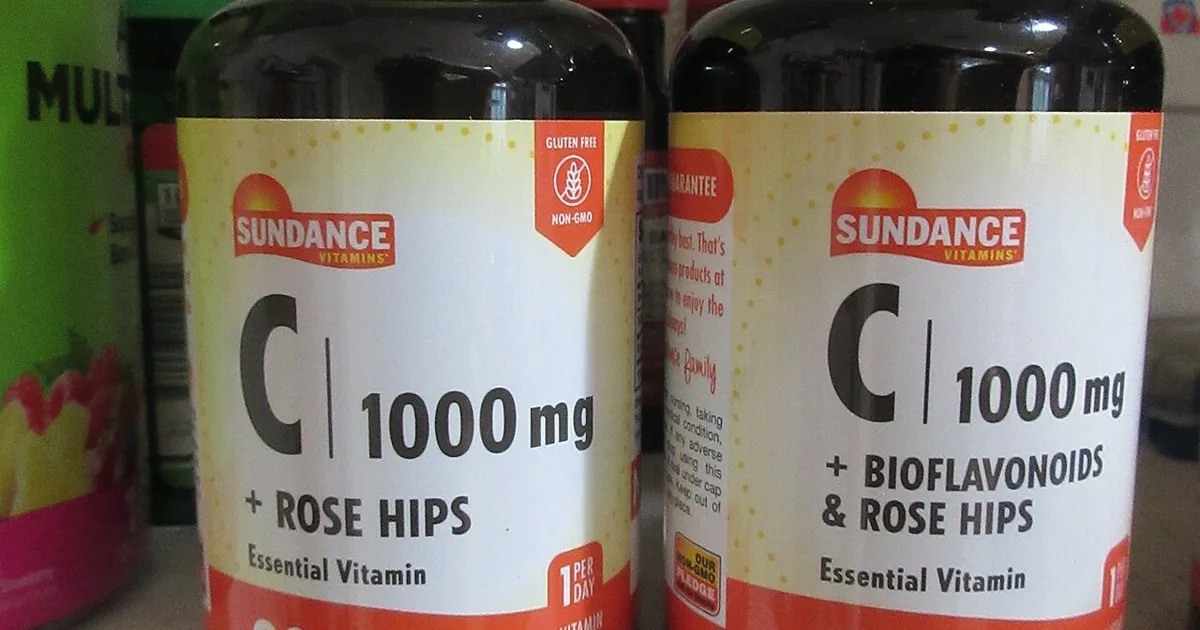
Health supplement class action lawsuits in Rhode Island have become increasingly common as consumers discover discrepancies between product marketing claims and actual benefits. These cases typically involve supplements marketed for weight loss, joint health, vitamins, and protein products that fail to deliver promised results or contain undisclosed ingredients.
Rhode Island residents have been affected by numerous national class action settlements involving major supplement manufacturers and retailers. Common issues include false advertising about clinical studies, misleading "natural" or "organic" claims, and products that don't contain the advertised amounts of active ingredients.
The supplement industry's rapid growth and limited FDA oversight have created fertile ground for consumer protection violations. Rhode Island consumers who purchased supplements based on misleading marketing claims may be entitled to compensation through class action settlements. These cases often result in refunds, product vouchers, or cash payments to affected customers who can prove their purchases within the specified time periods.
Rhode Island Law on Health Supplements Cases
Rhode Island's Deceptive Trade Practices Act (R.I. Gen. Laws § 6-13.1-1 et seq.) provides strong protections for consumers who purchase health supplements based on false or misleading claims. This statute prohibits unfair or deceptive acts in trade or commerce, including misrepresentations about supplement ingredients, effectiveness, or health benefits.
Under Rhode Island law, consumers have three years from discovery of the deceptive practice to file claims. The statute allows for actual damages, injunctive relief, and attorney's fees in successful cases. Rhode Island's consumer protection law is particularly robust in addressing misleading advertising claims about health products.
The Rhode Island Department of Health also has authority to investigate supplement-related consumer complaints and coordinate with federal agencies. While Rhode Island doesn't have specific biometric privacy laws like Illinois BIPA, the state's general privacy protections may apply to supplement companies that collect personal health information from customers. The state's emphasis on consumer protection makes it favorable jurisdiction for supplement-related class actions, with courts often interpreting the Deceptive Trade Practices Act broadly to protect consumers from misleading health product marketing.
Notable Rhode Island Health Supplements Settlements
Centrum Silver Settlement (2019) — $3.3 million settlement Pfizer settled claims that Centrum Silver was falsely marketed as supporting immune function in adults over 50.
Nature Made Supplement Settlement (2020) — $1.4 million settlement Pharmavite settled allegations that certain vitamins didn't contain the labeled amounts of key ingredients.
CVS Weight Loss Supplement Settlement (2018) — $2.95 million settlement CVS resolved claims about false weight loss promises for certain store-brand supplements sold in Rhode Island locations.
Hydroxycut Class Action (2017) — $8 million settlement Iovate settled claims that Hydroxycut weight loss supplements were marketed with unsubstantiated weight loss claims.
Joint Juice Settlement (2016) — $1.68 million settlement Ocean Spray resolved allegations that Joint Juice glucosamine drinks were falsely marketed as clinically proven joint health solutions.
Osteo Bi-Flex Settlement (2021) — $5.2 million settlement Reckitt Benckiser settled claims that joint supplement benefits were exaggerated in advertising materials.
Are Rhode Island Residents Eligible?
Rhode Island residents who purchased qualifying health supplements during specified class periods may be eligible for compensation. Eligibility typically requires proof of purchase through receipts, credit card statements, or store loyalty card records showing transactions at participating retailers within Rhode Island.
Most supplement class actions cover purchases made 1-4 years before the lawsuit filing date, aligning with Rhode Island's three-year statute of limitations under the Deceptive Trade Practices Act. Some settlements include purchases made online by Rhode Island residents, even if shipped from out-of-state retailers.
Residents must have purchased supplements for personal use rather than resale. Class members typically cannot have opted out of previous related settlements or have pending individual lawsuits against the same defendant for the same claims. Documentation requirements vary by settlement, with some accepting sworn affidavits for small claims under $50 when receipts are unavailable.
How Rhode Island Residents File Claims
Rhode Island residents can file supplement class action claims through settlement websites, by mail, or online portals established by court-appointed claims administrators. Most settlements require submission of claim forms along with proof of purchase documentation within specified deadlines, typically 60-120 days after preliminary approval.
Class Action Buddy streamlines this process for Rhode Island consumers by auto-filling claim forms in just 60 seconds. The platform identifies eligible settlements, prepares required documentation, and submits claims on behalf of users, eliminating the tedious paperwork traditionally associated with class action participation.
Rhode Island law doesn't require attorney representation for class action claims, and most settlements don't require consumers to pay filing fees. However, missing deadlines typically results in permanent forfeiture of compensation rights. Residents should monitor settlement notices received by mail or email and respond promptly to preserve their claims. The Rhode Island Attorney General's office also maintains consumer protection resources and may provide information about ongoing supplement-related investigations affecting state residents.
Frequently Asked Questions
How do I prove I bought supplements in Rhode Island without receipts?
Many settlements accept credit card statements, bank records, store loyalty card data, or sworn affidavits for smaller claims. Rhode Island's consumer protection laws support flexible proof standards.
Can I claim compensation if I bought supplements online while living in Rhode Island?
Yes, most class actions include online purchases by Rhode Island residents regardless of where the retailer is located, as long as products were shipped to Rhode Island addresses.
How long do Rhode Island residents have to file supplement class action claims?
Claim deadlines vary by settlement but typically range from 60-120 days after court approval. Rhode Island's three-year statute of limitations applies to the underlying consumer protection claims.
Do I need an attorney to participate in supplement class actions as a Rhode Island resident?
No, Rhode Island consumers can file claims directly through settlement administrators without attorney representation. Class Action Buddy can help automate the filing process.
What compensation can Rhode Island residents expect from supplement class actions?
Compensation varies widely but typically includes cash payments of $10-100 per product, product vouchers, or percentage refunds based on documented purchases and settlement fund size.
Rhode Island residents affected by misleading supplement marketing have strong legal protections under state consumer protection laws and access to numerous class action settlements. With supplement companies frequently settling false advertising claims, Ocean State consumers should actively monitor their eligibility for compensation.
Class Action Buddy makes participating in these settlements effortless for Rhode Island residents, automatically identifying eligible claims and completing paperwork in 60 seconds. Don't let complex filing requirements prevent you from recovering compensation for supplement purchases based on false promises.