No Proof Required Class Action Lawsuits in Alaska
Last updated April 30, 2026 · By Class Action Buddy
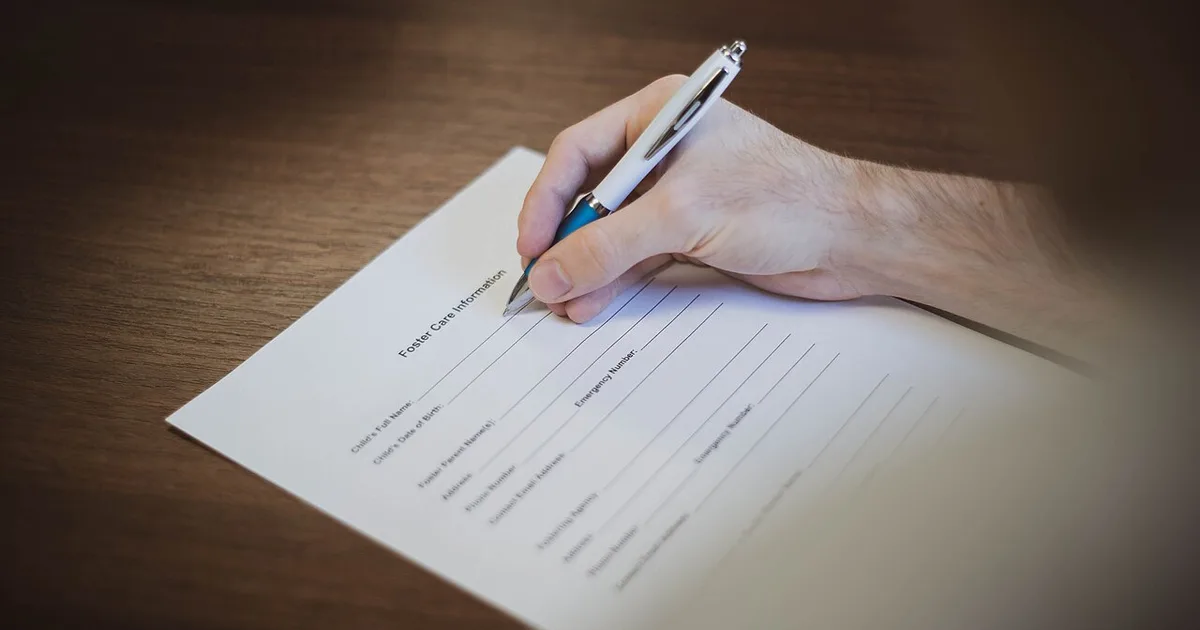
No proof required class action settlements offer Alaska residents a unique opportunity to receive compensation without the burden of providing extensive documentation or receipts. These settlements typically arise from privacy violations, consumer protection breaches, or corporate misconduct where proving individual damages would be difficult or impossible for consumers.
Alaska residents are frequently eligible for these straightforward claims because many violations affect entire customer bases or user groups simultaneously. Companies often agree to no-proof settlements to avoid lengthy litigation costs and the uncertainty of proving they didn't harm consumers.
The appeal of attestation-based settlements lies in their simplicity – claimants need only confirm they were affected during specific time periods. Whether it's unauthorized data collection, misleading advertising, or privacy violations, Alaska consumers can often recover compensation by simply attesting to their experience. These easy claims help level the playing field between large corporations and individual consumers who might otherwise lack the resources to pursue individual lawsuits.
Alaska Law on No Proof Required Cases
Alaska's Unfair Trade Practices Act (AS 45.50.471) provides robust protection for consumers against deceptive business practices, making it easier for residents to participate in class action settlements. The statute covers false advertising, misleading representations, and unconscionable business practices, creating grounds for many no-proof required settlements.
The three-year statute of limitations under Alaska law (AS 09.10.070) means residents must typically file claims within three years of discovering the violation. However, class action settlements often extend this deadline for settlement claims, allowing broader participation from affected consumers.
While Alaska doesn't have comprehensive biometric privacy laws like Illinois BIPA or data protection statutes like California's CCPA, residents benefit from federal privacy violations and can participate in nationwide settlements. Alaska's consumer protection framework focuses on unfair business practices, which frequently overlap with the types of corporate misconduct that lead to no-proof settlements. The state's emphasis on protecting consumers from deceptive practices means Alaska residents are often included in large-scale settlements involving privacy breaches, false advertising, or product liability issues.
Which kinds of settlement actually waive proof
“No proof” is not a favour — it follows from who holds the records. Where the defendant’s own data already identifies you, a receipt adds nothing, so the claim form asks for a signed statement instead.
- Privacy, pixel and video-privacy cases — almost always no proof. The company’s logs show you were there. The FitOn video-privacy settlement pays $10 on a no-proof claim; the St. Joseph Hospital MyChart pixel settlement pays about $50.
- TCPA calls and texts — no proof. Eligibility turns on the caller’s own records of your number.
- Data breaches — usually a no-proof option alongside a documented one. A flat cash payment needs nothing; a larger documented-loss claim needs evidence. You can normally take the flat option.
- Consumer goods — no proof up to a cap. Typically a few units on a sworn statement, receipts required beyond that.
- Securities — never. Investor claims need trade records, and no no-proof route exists.
What a no-proof claim is worth. Usually tens of dollars: the fund is split among everyone who files. Google’s Assistant settlement pays an estimated $2–$10; Albany Park pays $115, at the high end.
What we can verify about Alaska No Proof Required settlements
We removed a list we could not stand behind. This page used to name specific proof required settlements with years and dollar amounts. Checking five of them found only one correct, so rather than repeat the rest we took them down.
Here is the part that actually answers the question. Class actions are almost always federal or multi-state. A settlement that covers Alaska residents nearly always covers residents of every other state as well, and living in Alaska rarely decides whether you can claim. What decides it is whether you bought the product, held the account, used the service or received the notice, during the class period the court approved.
Where Alaska can matter is at the edges: a handful of settlements are limited to one state because the claim rests on that state’s own consumer statute, and a few pay residents of some states more than others. Those restrictions are always stated on the official claim form, and we list them per settlement rather than per state.
For settlements that are genuinely open right now, each one checked against the court-appointed administrator, see our list of open settlements or our guide to settlements with no proof of purchase. If you want to know which have actually cleared final approval and are paying, we track that in which settlements are paying out now.
Are Alaska Residents Eligible?
Alaska residents typically qualify for no-proof settlements if they used the defendant's products or services during specified class periods. Eligibility often depends on simple factors like having an account, making a purchase, or residing in Alaska during relevant timeframes.
The state's three-year statute of limitations under AS 09.10.070 generally applies, but settlement agreements frequently waive these deadlines for claim submissions. Alaska residents benefit from the state's broad consumer protection laws, which often align with the types of violations addressed in national settlements.
State-specific restrictions are minimal for most no-proof settlements, though some privacy-focused cases may have enhanced benefits for residents of states with stronger privacy laws. Alaska's focus on protecting consumers from unfair trade practices means residents are typically included in comprehensive settlement classes addressing corporate misconduct or privacy violations.
How Alaska Residents File Claims
Filing no-proof required claims as an Alaska resident is typically straightforward and can be completed entirely online. Most settlements provide dedicated claim websites where you'll enter basic information like your name, address, and attestation of eligibility during the specified timeframe.
Alaska residents should monitor settlement deadlines carefully, as these claims often have limited filing windows ranging from 60 days to several months. Keep documentation of your claim submission, including confirmation numbers and email receipts, even though additional proof isn't required.
Class Action Buddy streamlines this process by auto-filling claim forms in just 60 seconds, ensuring Alaska residents don't miss valuable settlement opportunities. The platform tracks deadlines and helps organize multiple claims efficiently. Since these settlements rely on attestation rather than documentation, accuracy in your responses is crucial – false claims can result in penalties under Alaska law and federal regulations.
Frequently Asked Questions
Do Alaska residents need receipts or documentation for no-proof settlements?
No, these settlements specifically require only attestation that you used the product or service during the class period. Documentation is not required, though you should answer truthfully.
How long do Alaska residents have to file no-proof claims?
Claim deadlines vary by settlement, typically ranging from 60 days to several months. Alaska's statute of limitations doesn't apply to settlement claims, but you must meet the settlement-specific deadline.
Can Alaska residents participate in nationwide class action settlements?
Yes, Alaska residents are typically included in nationwide settlements unless specifically excluded. Alaska's consumer protection laws often align with the violations addressed in these cases.
What happens if I provide false information on a no-proof claim in Alaska?
False claims can result in penalties under Alaska's Unfair Trade Practices Act and federal laws. Always provide truthful attestations even when documentation isn't required.
How much compensation can Alaska residents expect from no-proof settlements?
Payouts vary widely depending on the settlement size and number of claimants. Recent settlements have ranged from $25 to several hundred dollars per eligible Alaska resident.
Alaska residents have significant opportunities to recover compensation through no-proof required class action settlements. These straightforward claims provide an accessible way to address corporate misconduct without the burden of extensive documentation. With Alaska's consumer protection framework supporting these efforts, residents shouldn't miss these valuable opportunities.
Class Action Buddy makes the process even simpler by auto-filling forms in 60 seconds and tracking important deadlines. Don't let easy money slip away – start claiming your settlements today and ensure you receive the compensation you deserve as an Alaska consumer.
