No Proof Required Class Action Lawsuits in Oregon
Last updated April 30, 2026 · By Class Action Buddy
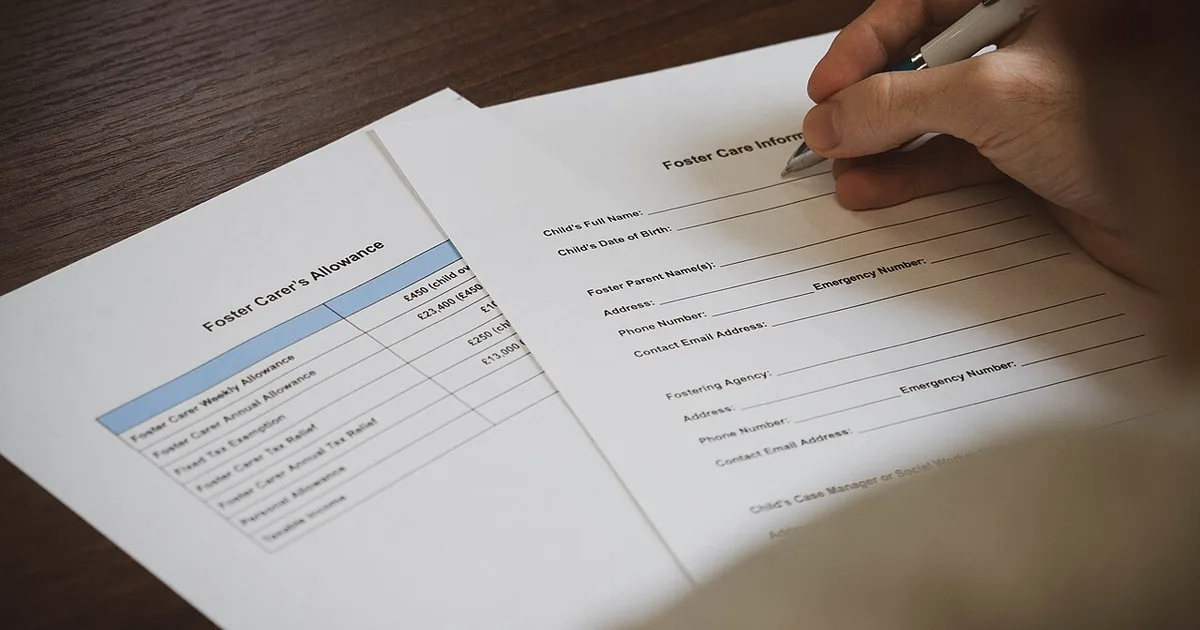
No proof required class action lawsuits offer Oregon residents a unique opportunity to claim compensation without providing receipts, documentation, or extensive evidence of harm. These settlements typically arise from cases involving privacy violations, data breaches, consumer fraud, or misleading advertising where individual damages are difficult to quantify or prove.
Companies often agree to no-proof settlements to avoid lengthy litigation and negative publicity. Class members can usually receive payments ranging from $25 to several hundred dollars simply by submitting basic information and attesting under penalty of perjury that they were affected by the defendant's conduct.
Oregon residents have successfully participated in numerous no-proof settlements involving major corporations across various industries. These cases frequently involve violations of privacy laws, deceptive marketing practices, or technical violations that harmed consumers collectively but are challenging to prove individually. The attestation-based claims process makes these settlements particularly accessible to everyday consumers who may not have kept detailed records but were genuinely impacted by the defendant's actions.
Oregon Law on No Proof Required Cases
Oregon's Unlawful Trade Practices Act (UTPA) under ORS Chapter 646A provides strong consumer protections that often form the basis for no-proof class action settlements. The UTPA prohibits unconscionable tactics and deceptive trade practices, allowing consumers to recover actual damages, punitive damages up to $10,000, and attorney fees. This broad statute frequently supports class actions where individual proof requirements are relaxed.
Oregon operates under a two-year statute of limitations for most consumer protection claims under ORS 12.110, though discovery rules may extend this period. The state's strong privacy protections and consumer-friendly legal environment make it an attractive venue for class action litigation. Oregon courts have generally been receptive to settlements that prioritize accessibility over stringent proof requirements.
While Oregon lacks a specific biometric privacy statute like Illinois' BIPA, the state has robust data breach notification requirements under ORS 646A.604. Oregon also maintains strong wage and hour protections under ORS Chapter 652, which can lead to no-proof settlements for technical violations affecting large groups of employees. The Oregon Department of Justice actively enforces consumer protection laws, creating an environment where companies prefer to settle rather than face regulatory scrutiny.
Which kinds of settlement actually waive proof
“No proof” is not a favour — it follows from who holds the records. Where the defendant’s own data already identifies you, a receipt adds nothing, so the claim form asks for a signed statement instead.
- Privacy, pixel and video-privacy cases — almost always no proof. The company’s logs show you were there. The FitOn video-privacy settlement pays $10 on a no-proof claim; the St. Joseph Hospital MyChart pixel settlement pays about $50.
- TCPA calls and texts — no proof. Eligibility turns on the caller’s own records of your number.
- Data breaches — usually a no-proof option alongside a documented one. A flat cash payment needs nothing; a larger documented-loss claim needs evidence. You can normally take the flat option.
- Consumer goods — no proof up to a cap. Typically a few units on a sworn statement, receipts required beyond that.
- Securities — never. Investor claims need trade records, and no no-proof route exists.
What a no-proof claim is worth. Usually tens of dollars: the fund is split among everyone who files. Google’s Assistant settlement pays an estimated $2–$10; Albany Park pays $115, at the high end.
What we can verify about Oregon No Proof Required settlements
We removed a list we could not stand behind. This page used to name specific proof required settlements with years and dollar amounts. Checking five of them found only one correct, so rather than repeat the rest we took them down.
Here is the part that actually answers the question. Class actions are almost always federal or multi-state. A settlement that covers Oregon residents nearly always covers residents of every other state as well, and living in Oregon rarely decides whether you can claim. What decides it is whether you bought the product, held the account, used the service or received the notice, during the class period the court approved.
Where Oregon can matter is at the edges: a handful of settlements are limited to one state because the claim rests on that state’s own consumer statute, and a few pay residents of some states more than others. Those restrictions are always stated on the official claim form, and we list them per settlement rather than per state.
For settlements that are genuinely open right now, each one checked against the court-appointed administrator, see our list of open settlements or our guide to settlements with no proof of purchase. If you want to know which have actually cleared final approval and are paying, we track that in which settlements are paying out now.
Are Oregon Residents Eligible?
Oregon residents typically qualify for no-proof settlements if they resided in the state during the relevant class period and were exposed to the defendant's allegedly unlawful conduct. Most settlements require claimants to attest under penalty of perjury that they used the defendant's product or service, received marketing communications, or were otherwise impacted by the conduct at issue.
Age restrictions may apply, with many settlements requiring claimants to be 18 or older during the class period. Oregon's two-year statute of limitations under ORS 12.110 affects eligibility timing, though class certification can toll limitations periods for all class members. Some settlements impose caps on claims per household or require Oregon residency for a minimum duration.
State-specific eligibility may depend on where purchases occurred, which Oregon laws were allegedly violated, or whether claimants can demonstrate sufficient connection to Oregon commerce. Residents should carefully review settlement notices for Oregon-specific eligibility requirements and deadlines.
How Oregon Residents File Claims
Filing no-proof class action claims in Oregon typically involves completing simple online forms or mailing claim submissions before court-imposed deadlines. Most settlements accept basic attestation regarding residency, usage, or exposure to the defendant's conduct without requiring supporting documentation or receipts.
Oregon residents should monitor settlement websites, legal notice publications, or class action databases for new opportunities. Claims usually require basic personal information, Oregon address verification, and sworn statements about the claimant's experience with the defendant's product or service during specified time periods.
Class Action Buddy streamlines this process by automatically filling claim forms in under 60 seconds, ensuring Oregon residents don't miss valuable settlement opportunities. The platform monitors active settlements, alerts eligible users, and handles form completion with appropriate Oregon-specific information. This automated approach maximizes recovery while minimizing the time investment required from busy Oregon consumers who might otherwise overlook these opportunities.
Frequently Asked Questions
How much can Oregon residents typically receive from no-proof settlements?
Payment amounts vary widely, typically ranging from $25 to $500 per claim depending on the settlement size and number of participants. Larger settlements like data breaches may offer higher individual payments.
What happens if I submit false information on a no-proof claim in Oregon?
Submitting false attestations constitutes perjury under Oregon law and federal court rules, potentially resulting in criminal charges, financial penalties, and permanent exclusion from future class action settlements.
How long do Oregon residents have to file no-proof claims?
Claim deadlines vary by settlement but typically range from 60-180 days after final court approval. Oregon's statute of limitations doesn't apply once a settlement is approved, making timely filing crucial.
Can Oregon residents participate in multiple no-proof settlements simultaneously?
Yes, Oregon residents can file claims in multiple unrelated settlements as long as they meet each settlement's specific eligibility requirements and submit truthful attestations for each claim.
Do no-proof settlements affect Oregon residents' ability to file individual lawsuits?
Yes, participating in a class action settlement typically releases your right to sue the defendant individually for the same conduct, though future unrelated claims remain available under Oregon law.
No-proof class action settlements provide Oregon residents with valuable opportunities to recover compensation for corporate wrongdoing without the burden of extensive documentation. These accessible claims processes democratize justice by allowing ordinary consumers to participate in meaningful recoveries from major corporations.
Oregon's strong consumer protection laws and favorable legal environment continue to generate new settlement opportunities across various industries. Class Action Buddy ensures Oregon residents maximize their recovery potential by automating the claims process and providing timely notifications of new settlements, making participation effortless and efficient.
