Privacy Class Action Lawsuits in Hawaii
Last updated April 30, 2026 · By Class Action Buddy
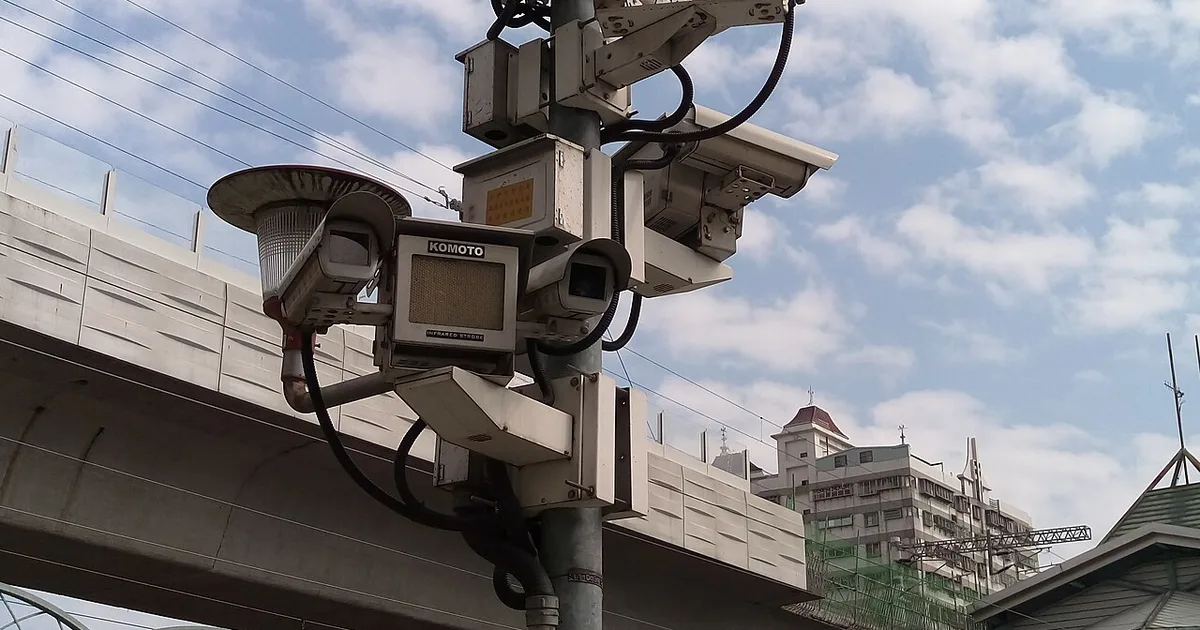
Privacy class action lawsuits in Hawaii protect residents from companies that illegally collect, store, or share personal information without proper consent. These cases typically involve violations of biometric privacy laws like BIPA, consumer privacy statutes such as CCPA, wiretapping regulations, and the Video Privacy Protection Act (VPPA). Hawaii residents have been affected by data breaches, unauthorized surveillance, and improper handling of sensitive information including fingerprints, facial recognition data, and viewing histories.
Companies often face lawsuits when they collect biometric data without disclosure, record private communications without consent, or share personal information with third parties in violation of privacy laws. Common defendants include social media platforms, retailers using biometric security systems, video streaming services, and employers implementing facial recognition technology. These violations can result in significant statutory damages per person affected.
Hawaii residents harmed by privacy violations may be entitled to compensation through class action settlements, even if they cannot prove specific monetary damages from the breach or unauthorized collection.
Hawaii Law on Privacy Cases
Hawaii's Unfair or Deceptive Acts or Practices statute (HRS § 480-2) provides broad consumer protection that can apply to privacy violations, allowing residents to seek damages when companies engage in deceptive data collection practices. The statute includes a four-year statute of limitations for most consumer protection claims, giving Hawaii residents substantial time to pursue privacy-related violations.
While Hawaii lacks a comprehensive biometric privacy law like Illinois' BIPA, residents can still benefit from federal privacy protections and out-of-state privacy statutes when companies with nationwide operations violate biometric data collection rules. Hawaii courts have recognized privacy rights under both state consumer protection law and federal statutes like the VPPA and wiretapping laws.
Hawaii's approach to privacy litigation often relies on the state's consumer protection framework, which prohibits unfair and deceptive business practices. This allows Hawaii residents to join class actions against companies that misrepresent their data collection practices or fail to obtain proper consent before collecting sensitive personal information, even when the specific conduct occurs outside Hawaii's borders.
Notable Hawaii Privacy Settlements
Facebook Biometric Facial Recognition (2021) — $650 million settlement Facebook collected facial recognition data without proper consent under Illinois BIPA law.
TikTok Biometric Data Collection (2021) — $92 million settlement TikTok allegedly collected biometric identifiers and personal data without adequate disclosure.
Zoom Video Privacy Violations (2021) — $85 million settlement Zoom shared personal data with third parties and misrepresented security features during video calls.
Clearview AI Facial Recognition (2022) — $9.75 million settlement Clearview scraped billions of photos from social media to build facial recognition database.
Netflix VPPA Violations (2012) — $9 million settlement Netflix disclosed users' video viewing histories in violation of Video Privacy Protection Act.
Google Location Tracking (2022) — $391.5 million settlement Google tracked users' locations even when location services were disabled.
Amazon Alexa Children's Recordings (2019) — $61.5 million settlement Amazon kept children's voice recordings longer than necessary without parental consent.
Are Hawaii Residents Eligible?
Hawaii residents typically qualify for privacy class action settlements if they used the defendant's services, had their biometric data collected, or were subject to unauthorized surveillance during the relevant time period. Eligibility often depends on whether residents created accounts, visited websites, used mobile apps, or interacted with biometric collection systems like fingerprint scanners or facial recognition technology.
Most privacy class actions have generous eligibility requirements since violations often affect large numbers of users regardless of specific harm. Hawaii residents may qualify even if they cannot prove monetary damages, as many privacy statutes provide statutory damages for violations. The state's four-year consumer protection statute of limitations under HRS § 480-2 gives residents substantial time to join applicable cases.
Specific restrictions may apply based on the underlying privacy law violated, such as BIPA's requirements for biometric data collection in Illinois or CCPA's protections for California residents. However, many settlements include nationwide classes that encompass Hawaii residents affected by the same privacy violations.
How Hawaii Residents File Claims
Hawaii residents can file privacy class action claims by joining existing lawsuits or initiating new cases through experienced class action attorneys. Many privacy violations affect users nationwide, making it likely that Hawaii residents can participate in ongoing litigation against major technology companies, retailers, and service providers that improperly handle personal data.
Class Action Buddy streamlines the claim filing process by auto-filling settlement forms in just 60 seconds, helping Hawaii residents quickly submit claims for privacy-related settlements. The platform monitors active privacy class actions and notifies eligible Hawaii residents about new settlement opportunities involving biometric data, wiretapping, video privacy, and consumer data protection violations.
When filing privacy claims, Hawaii residents should gather documentation showing their interaction with the defendant's services, such as account records, app usage history, or evidence of biometric data collection. Many privacy settlements require minimal documentation since violations often affect all users of a particular service. Legal representation is typically provided on a contingency basis, meaning Hawaii residents pay no upfront costs to pursue privacy violation claims.
Frequently Asked Questions
Can Hawaii residents join BIPA class actions against companies based in Illinois?
Yes, Hawaii residents can often join BIPA class actions if they used services or visited locations where their biometric data was collected in violation of Illinois law, even if they don't live in Illinois.
How long do Hawaii residents have to file privacy violation claims?
Hawaii's consumer protection statute provides a four-year statute of limitations, though federal privacy laws may have different time limits depending on the specific violation involved.
Do I need to prove financial harm to recover damages in Hawaii privacy cases?
No, many privacy laws like BIPA and VPPA provide statutory damages without requiring proof of actual monetary harm, allowing recovery based solely on the privacy violation itself.
What types of companies face privacy class actions that affect Hawaii residents?
Common defendants include social media platforms, streaming services, retailers with biometric systems, employers using facial recognition, and any company that collects personal data without proper consent.
Can Hawaii residents recover damages for data breaches and unauthorized surveillance?
Yes, Hawaii residents may recover damages through class actions involving data breaches, wiretapping violations, unauthorized biometric collection, and other privacy violations under state and federal law.
Privacy class action lawsuits provide Hawaii residents with important protections against companies that illegally collect, store, or share personal information. From biometric data violations to unauthorized surveillance and data breaches, these cases help ensure companies respect consumer privacy rights and provide compensation when violations occur.
Class Action Buddy makes it easy for Hawaii residents to participate in privacy settlements by automatically identifying eligible cases and completing claim forms in 60 seconds. Don't let privacy violations go unaddressed—use Class Action Buddy to protect your rights and recover compensation for improper data collection and privacy breaches.