Privacy Class Action Lawsuits in Massachusetts
Last updated April 30, 2026 · By Class Action Buddy
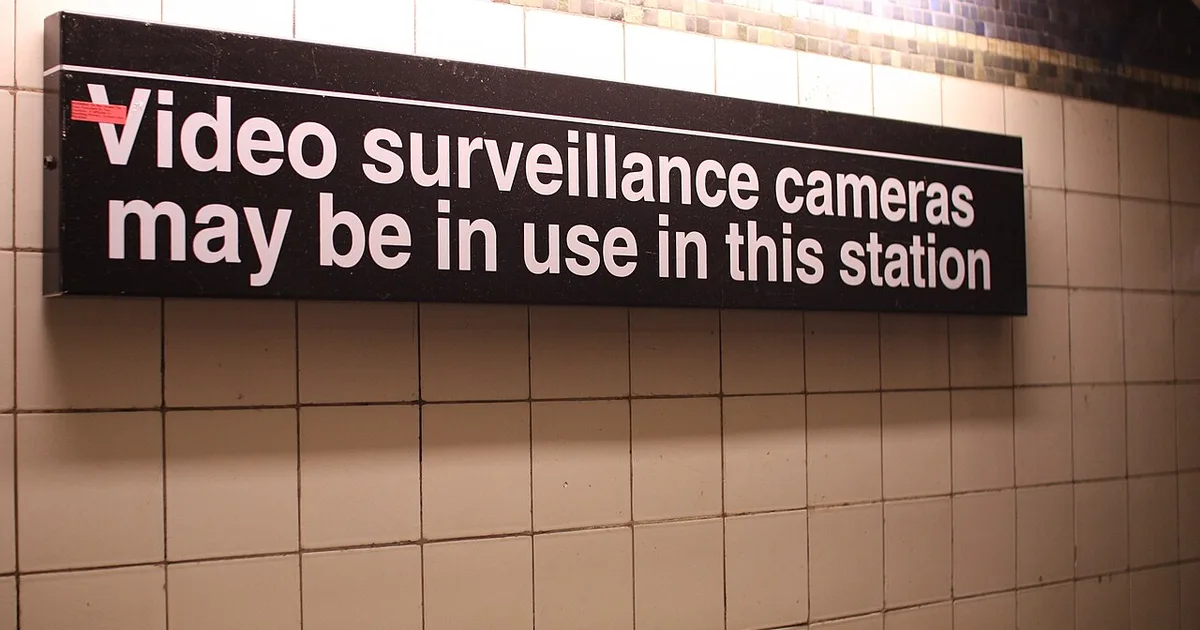
Privacy class action lawsuits in Massachusetts have surged as companies increasingly collect personal data without proper consent or safeguards. These cases typically involve violations of federal privacy laws, biometric data collection, illegal wiretapping, and unauthorized sharing of personal information. Massachusetts residents are frequently affected by data breaches, facial recognition systems, and companies that record calls or collect fingerprints without disclosure.
The most common privacy violations include companies using biometric identifiers like fingerprints or facial scans without consent, telecoms recording calls illegally, and businesses sharing video rental or streaming history in violation of federal law. Tech companies, retailers, healthcare providers, and telecommunications firms are frequent defendants.
Massachusetts residents may be entitled to statutory damages ranging from hundreds to thousands of dollars per violation, even without proving actual harm. These cases often result in significant settlements because privacy laws provide strong protections and mandatory damages for violations.
Massachusetts Law on Privacy Cases
Massachusetts maintains robust consumer privacy protections under Massachusetts General Laws Chapter 93A, the state's Unfair or Deceptive Acts or Practices statute. Chapter 93A allows consumers to recover actual damages or $25, whichever is greater, plus attorney's fees for privacy violations that constitute unfair business practices. The statute has a four-year limitations period and covers deceptive data collection practices.
The Massachusetts Data Protection Regulation (201 CMR 17.00) requires businesses to implement comprehensive data security programs when handling personal information of Massachusetts residents. Violations can support Chapter 93A claims when companies fail to properly secure collected biometric data, call recordings, or other personal information.
Massachusetts also recognizes common law privacy torts including intrusion upon seclusion, which provides additional remedies when companies secretly record conversations or collect biometric data without consent. The state's wiretapping statute, G.L. c. 272, § 99, requires all-party consent for recording conversations and provides criminal penalties plus civil damages of $100 per day or $1,000, whichever is greater.
What we can verify about Massachusetts Privacy settlements
We removed a list we could not stand behind. This page used to name specific privacy settlements with years and dollar amounts. Checking five of them found only one correct, so rather than repeat the rest we took them down.
Here is the part that actually answers the question. Class actions are almost always federal or multi-state. A settlement that covers Massachusetts residents nearly always covers residents of every other state as well, and living in Massachusetts rarely decides whether you can claim. What decides it is whether you bought the product, held the account, used the service or received the notice, during the class period the court approved.
Where Massachusetts can matter is at the edges: a handful of settlements are limited to one state because the claim rests on that state’s own consumer statute, and a few pay residents of some states more than others. Those restrictions are always stated on the official claim form, and we list them per settlement rather than per state.
For settlements that are genuinely open right now, each one checked against the court-appointed administrator, see our list of open settlements or our guide to settlements with no proof of purchase. If you want to know which have actually cleared final approval and are paying, we track that in which settlements are paying out now.
Are Massachusetts Residents Eligible?
Massachusetts residents may qualify for privacy class actions if they used services or products where their personal data was collected, shared, or compromised without proper consent. Eligibility typically requires proving you were a user, customer, or had your information collected during specific time periods outlined in each case.
Common qualifying scenarios include having biometric data collected (fingerprints, facial scans), being recorded on calls without consent, using apps or websites that shared personal information, or having video rental/streaming history disclosed. You don't need to prove actual financial harm since privacy laws often provide statutory damages.
Massachusetts Chapter 93A claims must be filed within four years of discovery of the violation. Federal privacy claims like VPPA violations have shorter limitations periods, typically one to two years. Biometric privacy claims under laws like BIPA may have longer periods depending on when violations occurred versus when they were discovered.
How Massachusetts Residents File Claims
Massachusetts residents can join privacy class actions by filing claims when settlements are announced or by joining existing lawsuits. Most privacy class actions are filed as nationwide cases in federal court, allowing Massachusetts residents to participate alongside residents from other states affected by the same privacy violations.
The claims process varies by case but typically requires providing proof of residency, account information, or evidence that your data was collected during relevant time periods. Documentation might include account records, app usage history, or records showing you visited locations where biometric data was collected.
Class Action Buddy streamlines the filing process by automatically filling out claim forms in just 60 seconds. The platform matches your information with eligible settlements, completes the required documentation, and prepares the claim for you to sign. This eliminates the time-consuming process of manually completing complex claim forms for multiple privacy settlements.
Most privacy class actions operate on contingency, meaning no upfront costs. Settlement payments range from $25 to several hundred dollars per person, with larger amounts for cases involving extensive biometric data collection or repeated violations.
Frequently Asked Questions
What damages are available for privacy violations in Massachusetts?
Massachusetts residents can recover statutory damages under federal privacy laws (typically $100-$5,000 per violation), plus damages under Massachusetts Chapter 93A for unfair business practices. Attorney's fees are often available, and you don't need to prove actual financial harm.
How long do I have to file a privacy claim in Massachusetts?
Massachusetts Chapter 93A claims have a four-year statute of limitations from discovery of the violation. Federal privacy claims like VPPA violations typically have 1-2 year limitations periods. Biometric privacy claims may have different timeframes depending on the specific law violated.
Can I join a privacy class action if I'm a Massachusetts resident but the company is based elsewhere?
Yes, most privacy class actions are filed as nationwide cases in federal court. Massachusetts residents can participate in settlements involving companies based in other states, especially for violations of federal privacy laws or data breaches affecting multiple states.
What evidence do I need to prove a privacy violation occurred?
Evidence varies by case type but may include account records, app usage history, receipts showing you visited locations with biometric scanners, or records of calls that were recorded. For data breaches, simply having an account during the breach period is often sufficient.
Do Massachusetts privacy laws apply to out-of-state companies?
Yes, Massachusetts Chapter 93A and data protection regulations apply to any company doing business with Massachusetts residents, regardless of where the company is headquartered. The state's data protection regulation specifically covers any entity that handles Massachusetts residents' personal information.
Privacy violations affect millions of Massachusetts residents annually, from unauthorized biometric collection to illegal call recording and data sharing. These cases often result in substantial settlements with statutory damages available even without proving financial harm. Massachusetts' strong consumer protection laws under Chapter 93A provide additional remedies beyond federal privacy statutes.
Don't let companies profit from violating your privacy rights. Use Class Action Buddy to quickly identify eligible settlements and file your claims in just 60 seconds, ensuring you receive the compensation you deserve for privacy violations.
