Subscription Billing Class Action Lawsuits in North Carolina
Last updated April 30, 2026 · By Class Action Buddy
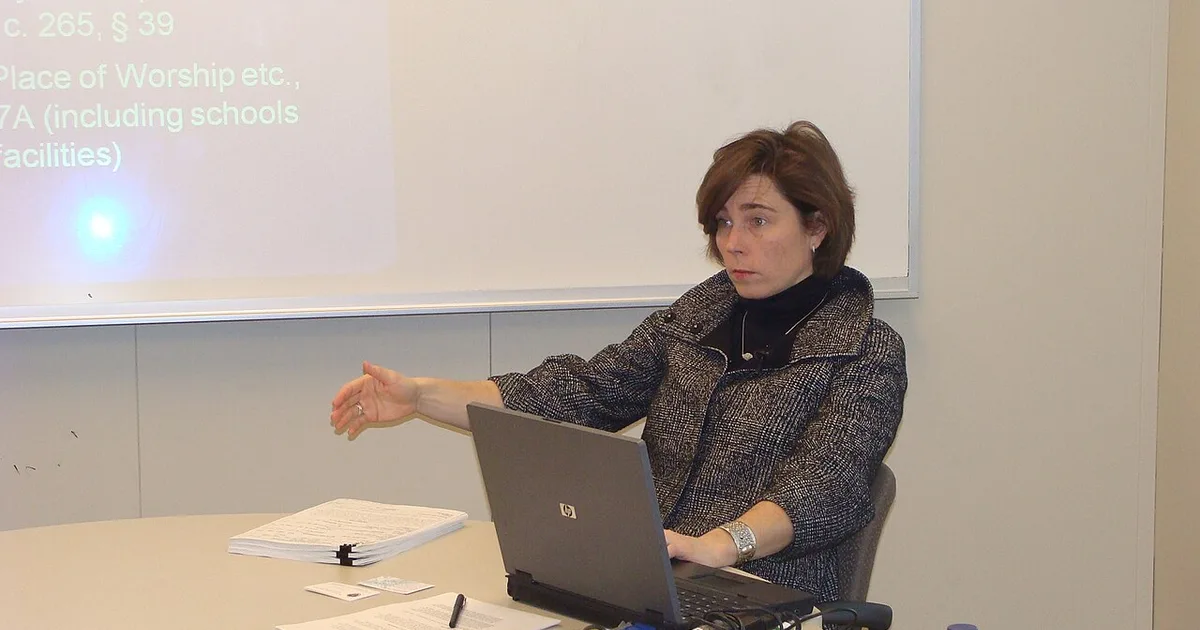
Subscription billing class action lawsuits have become increasingly common in North Carolina as companies use deceptive practices to trap consumers in unwanted recurring charges. These cases typically involve businesses that make it difficult to cancel subscriptions, hide auto-renewal terms, or use misleading "free trial" offers that automatically convert to paid memberships without clear consent.
North Carolina residents are frequently targeted by subscription billing schemes because the state's large consumer base makes it an attractive market for digital services, streaming platforms, fitness apps, and online retailers. Companies often employ "dark patterns" – user interface designs intentionally crafted to trick users into subscribing or prevent them from canceling.
The most affected consumers are those who signed up for what they believed were one-time purchases or genuine free trials, only to discover unexpected recurring charges on their credit cards or bank statements. These deceptive practices violate both federal consumer protection laws and North Carolina's specific consumer protection statutes, creating grounds for class action litigation that can result in significant settlements and refunds for affected residents.
North Carolina Law on Subscription Billing Cases
North Carolina's Unfair and Deceptive Trade Practices Act (UDTPA), codified under N.C. Gen. Stat. § 75-1.1, provides robust protection against subscription billing fraud and deceptive auto-renewal practices. The UDTPA prohibits unfair or deceptive acts or practices in commerce, including misleading representations about subscription terms, hidden auto-renewal clauses, and failure to provide clear cancellation mechanisms.
Under the UDTPA, consumers can recover actual damages or $200, whichever is greater, plus attorney's fees in successful cases. The statute allows for treble damages when the defendant's conduct was willful or in wanton disregard of consumer rights, making it particularly powerful against companies that deliberately design deceptive subscription practices.
The statute of limitations for UDTPA claims is four years from when the deceptive practice occurred or should reasonably have been discovered. North Carolina courts have consistently held that subscription billing practices involving hidden terms, difficult cancellation processes, or misleading free trial offers constitute unfair and deceptive practices under the UDTPA. The state's consumer protection law works in conjunction with federal regulations like the Restore Online Shoppers' Confidence Act (ROSCA), which requires clear disclosure of subscription terms and easy cancellation methods for online purchases.
What we can verify about North Carolina Subscription Billing settlements
We removed a list we could not stand behind. This page used to name specific subscription billing settlements with years and dollar amounts. Checking five of them found only one correct, so rather than repeat the rest we took them down.
Here is the part that actually answers the question. Class actions are almost always federal or multi-state. A settlement that covers North Carolina residents nearly always covers residents of every other state as well, and living in North Carolina rarely decides whether you can claim. What decides it is whether you bought the product, held the account, used the service or received the notice, during the class period the court approved.
Where North Carolina can matter is at the edges: a handful of settlements are limited to one state because the claim rests on that state’s own consumer statute, and a few pay residents of some states more than others. Those restrictions are always stated on the official claim form, and we list them per settlement rather than per state.
For settlements that are genuinely open right now, each one checked against the court-appointed administrator, see our list of open settlements or our guide to settlements with no proof of purchase. If you want to know which have actually cleared final approval and are paying, we track that in which settlements are paying out now.
Are North Carolina Residents Eligible?
North Carolina residents who experienced deceptive subscription billing practices may be eligible to join class action lawsuits if they were charged for services without proper consent, faced unreasonably difficult cancellation processes, or were misled about auto-renewal terms. Eligibility typically requires that residents were charged recurring fees they did not expect or authorize, attempted to cancel subscriptions but were prevented from doing so, or were enrolled in paid services after "free trials" without clear disclosure.
The statute of limitations under North Carolina's UDTPA is four years from when the deceptive practice occurred or was discovered, giving residents a reasonable window to pursue claims. However, specific eligibility requirements vary by case and may include geographic restrictions, time periods when the deceptive practices occurred, and the specific services involved.
Residents should gather documentation including credit card statements, email communications, screenshots of subscription terms, and records of cancellation attempts to support their claims and demonstrate they were victims of the alleged deceptive practices.
How North Carolina Residents File Claims
North Carolina residents seeking to join subscription billing class actions should first determine if an existing lawsuit covers their situation by researching recent settlements and ongoing litigation. Many cases are filed in federal court and can include residents from multiple states, while others may be specific to North Carolina state courts under the UDTPA.
The filing process typically begins with contacting attorneys who specialize in consumer protection class actions or submitting claims through established settlement programs. Residents should document their experiences, including subscription charges, attempts to cancel, and any communications with the company involved.
For those eligible to file claims in existing settlements, Class Action Buddy can streamline the process by auto-filling claim forms in just 60 seconds. The platform helps North Carolina residents quickly submit accurate claims without the hassle of manually completing complex paperwork, ensuring they don't miss critical deadlines.
Most subscription billing class actions operate on a contingency basis, meaning residents don't pay attorney fees unless the case is successful. Settlements often provide automatic refunds or require residents to submit simple claim forms to receive compensation for unauthorized charges and damages under North Carolina consumer protection law.
Frequently Asked Questions
What makes subscription billing practices illegal under North Carolina law?
Under North Carolina's UDTPA, subscription practices are illegal if they involve deceptive disclosures, hidden auto-renewal terms, unreasonably difficult cancellation processes, or misleading free trial offers that don't clearly explain conversion to paid subscriptions.
How long do North Carolina residents have to file subscription billing claims?
North Carolina's UDTPA provides a four-year statute of limitations from when the deceptive practice occurred or should have been discovered, giving residents ample time to join class actions or file individual claims.
What damages can North Carolina residents recover in subscription billing cases?
Under the UDTPA, residents can recover actual damages or $200 (whichever is greater), plus attorney's fees. In cases of willful misconduct, courts may award treble damages, significantly increasing potential recovery amounts.
Do I need to hire my own attorney for subscription billing class actions in North Carolina?
No, class action lawsuits allow multiple residents to join together under shared legal representation. Most cases operate on contingency, meaning you don't pay attorney fees unless the case succeeds.
Can North Carolina residents join federal class actions for subscription billing?
Yes, many subscription billing class actions are filed in federal court and include residents from multiple states. North Carolina residents can participate in these broader cases while still benefiting from state law protections.
North Carolina residents affected by deceptive subscription billing practices have strong legal protections under the state's UDTPA and federal consumer protection laws. With significant settlements regularly achieved against companies using auto-renewal dark patterns and misleading free trials, affected consumers can recover meaningful compensation.
Class Action Buddy makes it simple for North Carolina residents to participate in these cases by auto-filling claim forms in just 60 seconds. Don't let deceptive subscription practices go unchallenged – use Class Action Buddy to quickly file your claim and join thousands of other residents seeking justice and refunds for unauthorized billing schemes.
