TCPA / Robocall Class Action Lawsuits in North Carolina
Last updated April 30, 2026 · By Class Action Buddy
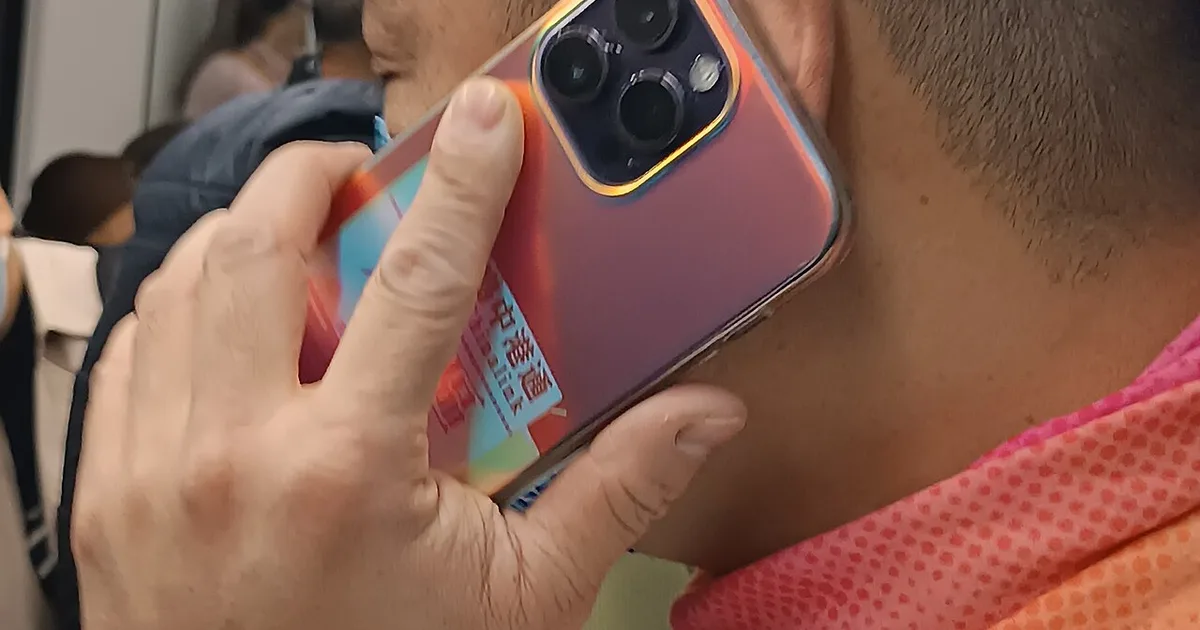
The Telephone Consumer Protection Act (TCPA) provides North Carolina residents with powerful legal protections against unwanted robocalls, spam texts, and aggressive telemarketing practices. This federal law allows consumers to recover up to $1,500 per illegal call or message, making class action lawsuits an effective remedy for widespread violations.
North Carolina residents frequently receive illegal robocalls from debt collectors, insurance companies, political organizations, and scam operations. These calls often target cell phones without proper consent, use automated dialing systems, or contact numbers on the National Do Not Call Registry. TCPA violations are particularly common in urban areas like Charlotte, Raleigh, and Greensboro.
Class action lawsuits consolidate hundreds or thousands of similar TCPA violations into a single case, allowing North Carolina consumers to seek justice collectively. These cases typically result in significant settlements that compensate victims while deterring future violations by establishing clear consequences for illegal robocalling practices.
North Carolina Law on TCPA / Robocall Cases
North Carolina's Unfair and Deceptive Trade Practices Act (UDTPA), codified in Chapter 75 of the North Carolina General Statutes, works alongside federal TCPA protections to shield residents from abusive telemarketing practices. The UDTPA prohibits unfair or deceptive acts in commerce and allows consumers to recover treble damages and attorney's fees for violations.
Under North Carolina law, consumers have three years from the date of a TCPA violation to file a lawsuit, though the discovery rule may extend this timeframe in cases where violations weren't immediately apparent. The state's UDTPA statute of limitations is four years, potentially providing an alternative avenue for recovery in telemarketing abuse cases.
North Carolina courts have recognized that unwanted robocalls and spam texts can constitute unfair trade practices under state law, particularly when they involve deceptive content or violate federal regulations. This dual protection under both federal TCPA and state UDTPA laws strengthens North Carolina residents' ability to recover damages and creates additional deterrent effects against violators who target the state's consumers.
Notable North Carolina TCPA / Robocall Settlements
Political Compliance Solutions (2023) — $2.3 million settlement Debt collection company made thousands of illegal robocalls to North Carolina cell phones without proper consent.
Caribbean Cruise Lines (2022) — $12.8 million settlement Travel company bombarded consumers with pre-recorded telemarketing calls despite Do Not Call Registry listings.
Time Warner Cable (2021) — $7.4 million settlement Cable provider sent automated texts to customers and non-customers without obtaining proper written consent.
Dish Network (2020) — $61 million settlement Satellite TV company violated TCPA through third-party telemarketers making millions of illegal calls nationwide.
Capital One (2019) — $25.5 million settlement Bank made automated calls to wrong numbers and continued calling after being notified of errors.
Wells Fargo (2018) — $26.8 million settlement Bank placed millions of automated collection calls to cell phones without required consent from borrowers.
Are North Carolina Residents Eligible?
North Carolina residents who received unwanted robocalls, automated calls, or spam text messages may qualify for TCPA class action settlements. Eligible violations include calls to cell phones without written consent, calls using artificial or prerecorded voices, calls to landlines before 8 AM or after 9 PM, and calls to numbers on the Do Not Call Registry.
To qualify, North Carolina consumers must have received calls within the applicable statute of limitations period, typically three years under federal TCPA law. Residents should document violation details including phone numbers, dates, times, and call content when possible.
State-specific factors may affect eligibility, such as whether the calls originated from within North Carolina or targeted the state's area codes. The North Carolina UDTPA may provide additional recovery options for residents who suffered deceptive telemarketing practices beyond basic TCPA violations.
How North Carolina Residents File Claims
North Carolina residents can join TCPA class action lawsuits by filing claims during designated settlement periods or by contacting qualified attorneys who handle these cases. Most TCPA settlements require simple claim forms documenting the unwanted calls or messages received within specified timeframes.
Class Action Buddy streamlines this process by auto-filling settlement claim forms in just 60 seconds, helping North Carolina residents efficiently document their TCPA violations and submit required information. The platform maintains updated databases of active TCPA settlements and deadlines, ensuring residents don't miss compensation opportunities.
When filing TCPA claims, North Carolina residents should gather phone records, screenshots of unwanted texts, and any documentation showing calls continued after requesting removal. Many settlements only require sworn statements rather than detailed proof, making participation accessible to consumers who didn't maintain extensive records of violations.
Frequently Asked Questions
How much can North Carolina residents recover from TCPA class action settlements?
TCPA settlements typically award $50-$500 per violation to North Carolina residents, though amounts vary based on the total settlement size and number of participants. Federal TCPA law allows up to $1,500 per call in individual lawsuits.
Do I need proof of unwanted calls to join a TCPA class action in North Carolina?
Most TCPA settlements accept sworn statements from North Carolina residents about receiving unwanted calls. While phone records help, they're often not required for participation in class action settlements.
Can North Carolina residents file TCPA claims for calls from out-of-state companies?
Yes, North Carolina residents can pursue TCPA claims against any company that illegally called their phones, regardless of where the company is located. Federal TCPA protections apply nationwide.
How long do North Carolina residents have to file TCPA claims?
North Carolina residents typically have three years from the date of illegal calls to file TCPA claims. Settlement participation deadlines are usually much shorter, often 60-120 days after settlement approval.
Does North Carolina's Do Not Call Registry provide additional protection beyond federal law?
North Carolina follows the federal Do Not Call Registry system. Calls to registered numbers may violate both federal TCPA and state UDTPA laws, potentially increasing available damages for residents.
North Carolina residents facing unwanted robocalls and spam texts have strong legal protections under federal TCPA and state consumer protection laws. Class action settlements provide an accessible path to compensation without the complexity of individual litigation. These cases continue to hold telemarketing companies accountable while delivering meaningful financial recovery to affected consumers. Don't let illegal robocalls go unanswered – use Class Action Buddy to quickly identify and file TCPA claims, protecting your rights while contributing to broader efforts against telecommunications abuse.
