Technology Class Action Lawsuits in Maryland
Last updated April 30, 2026 · By Class Action Buddy
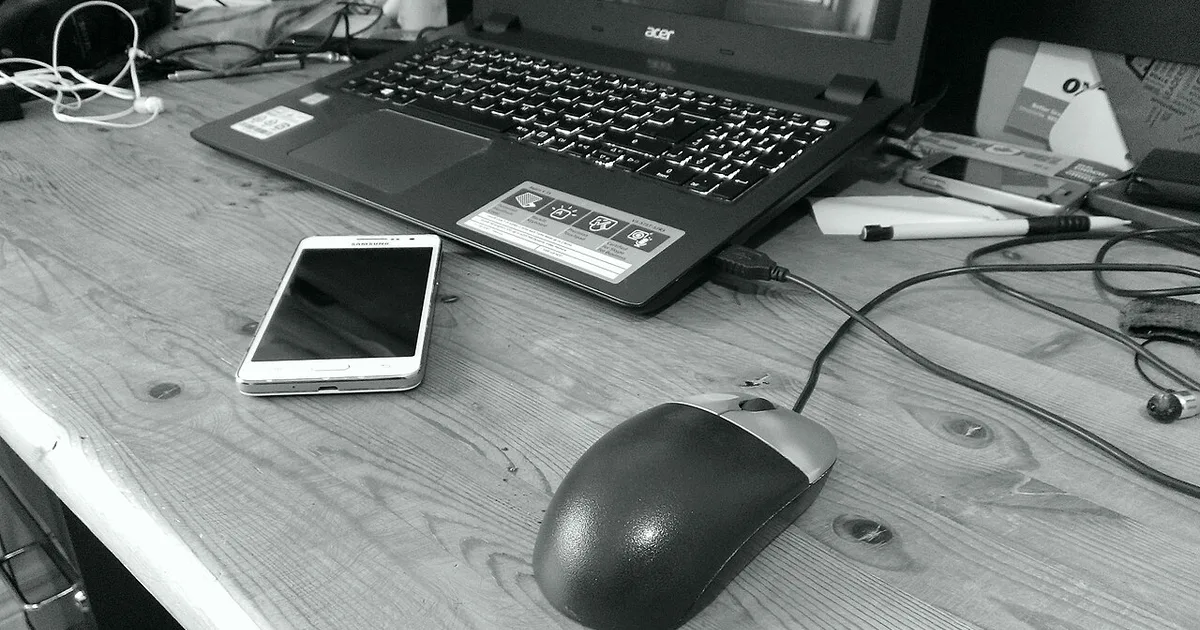
Technology class action lawsuits in Maryland arise when companies violate consumer rights through defective software, hardware failures, privacy breaches, or deceptive business practices. These cases typically involve smartphones, computers, apps, smart home devices, and other electronics that fail to perform as advertised or expose users to security risks.
Maryland residents frequently encounter issues like planned obsolescence in smartphones, data breaches affecting personal information, subscription services with hidden fees, and hardware defects that render expensive electronics unusable. Software bugs, app crashes, and unauthorized data collection practices also trigger consumer protection claims.
Class actions provide Maryland consumers with collective legal power against large technology companies that might otherwise escape accountability. These cases often result in cash settlements, product replacements, extended warranties, or improved privacy protections for affected users.
Maryland Law on Technology Cases
Maryland's Consumer Protection Act (MCPA) under Commercial Code § 13-301 provides robust protection against unfair or deceptive trade practices in technology transactions. The statute covers false advertising, misrepresentation of product capabilities, and failure to disclose material defects in electronic devices or software.
Maryland follows a three-year statute of limitations for consumer protection claims under MCPA § 13-408, beginning when consumers discover or reasonably should have discovered the deceptive practice. This timeline is particularly important for technology cases where defects or privacy violations may not become apparent immediately after purchase.
The state also enforces the Maryland Personal Information Protection Act, requiring companies to notify residents of data breaches within reasonable timeframes. Maryland courts have increasingly recognized claims related to biometric data collection and unauthorized tracking through mobile apps, even without specific biometric privacy legislation like Illinois' BIPA. The MCPA allows for actual damages, statutory damages up to $10,000 per violation, and attorney's fees for successful plaintiffs.
Notable Maryland Technology Settlements
Apple iPhone Battery Settlement (2020) — $500 million settlement Apple compensated users for secretly slowing down older iPhone models without disclosure.
Facebook Privacy Settlement (2019) — $5 billion settlement Meta paid billions for Cambridge Analytica privacy violations affecting millions of users.
Zoom Privacy Settlement (2021) — $85 million settlement Zoom settled claims over "Zoombombing" incidents and misleading end-to-end encryption claims.
Samsung Galaxy Note 7 Settlement (2017) — $10 million settlement Samsung compensated users for defective batteries causing phones to overheat and catch fire.
Google Location Tracking Settlement (2022) — $391.5 million settlement Google paid states including Maryland for deceptive location data collection practices.
TikTok Privacy Settlement (2021) — $92 million settlement TikTok settled claims over unauthorized collection of biometric data from users.
Are Maryland Residents Eligible?
Maryland residents who purchased or used defective technology products within the state typically qualify for class action settlements. Eligibility often requires proof of purchase, device ownership, or app usage during specified time periods outlined in settlement agreements.
The three-year statute of limitations under Maryland's Consumer Protection Act means residents must file claims within three years of discovering defects or deceptive practices. For ongoing subscription services or repeated privacy violations, the limitations period may reset with each incident.
Maryland courts generally require that consumers suffered actual harm, such as financial loss, device damage, or privacy invasion. However, some federal privacy class actions allow claims based solely on increased risk of identity theft or unauthorized data collection, even without proven financial damages.
How Maryland Residents File Claims
Maryland residents can join technology class actions by filing claims through settlement websites, typically requiring basic information like purchase dates, device models, and proof of residency. Class Action Buddy streamlines this process by auto-filling settlement forms in just 60 seconds using your information.
Most technology settlements require documentation such as receipts, device serial numbers, or account records. Maryland residents should preserve evidence of defects, including photos, error messages, or customer service communications. For privacy violations, proof of app usage or account creation may suffice.
Settlement deadlines are strictly enforced, often ranging from 60-180 days after court approval. Maryland consumers can typically choose between cash payments, product credits, or extended warranties. Class Action Buddy sends automatic reminders about deadlines and helps Maryland residents maximize their recovery from technology settlements.
Frequently Asked Questions
Can Maryland residents join class actions against technology companies based in other states?
Yes, Maryland residents can typically join nationwide class actions against technology companies regardless of where the company is headquartered, as long as they purchased or used the product in Maryland.
How does Maryland's Consumer Protection Act apply to app purchases and software?
Maryland's MCPA covers digital products including apps and software, protecting consumers against false advertising, hidden fees, and failure to deliver promised functionality.
What damages can Maryland residents recover in technology class actions?
Maryland residents may recover actual damages, statutory damages up to $10,000 per MCPA violation, attorney's fees, and sometimes punitive damages depending on the company's conduct.
Do Maryland residents need to prove financial harm for privacy violation claims?
While Maryland law typically requires actual damages, federal privacy class actions often allow claims based on increased risk of identity theft or loss of privacy value without proven financial harm.
How long do Maryland residents have to file technology class action claims?
Maryland's three-year statute of limitations applies to consumer protection claims, but settlement deadlines are usually much shorter, typically 60-180 days after court approval.
Maryland residents deserve protection from defective technology products and deceptive business practices. The state's strong Consumer Protection Act provides meaningful remedies, but navigating class action settlements can be complex and time-sensitive. Don't let technology companies profit from harming Maryland consumers—Class Action Buddy makes filing claims simple and ensures you meet critical deadlines while maximizing your potential recovery from technology settlements.
