Technology Class Action Lawsuits in South Carolina
Last updated April 30, 2026 · By Class Action Buddy
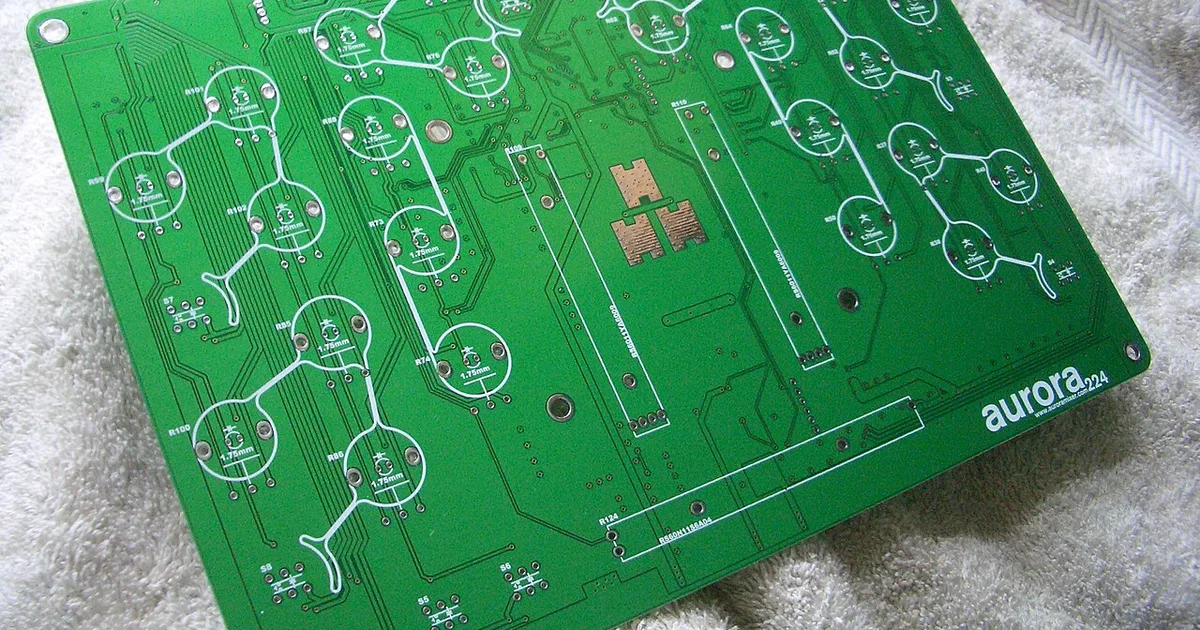
Technology class action lawsuits in South Carolina have surged as consumers face widespread issues with software glitches, hardware defects, data breaches, and deceptive app practices. These cases typically arise when tech companies release products with undisclosed defects, fail to protect user data, or engage in misleading advertising about their technology's capabilities.
South Carolina residents are frequently affected by major technology settlements involving smartphone manufacturers, software developers, social media platforms, and electronics companies. Common issues include devices that overheat or fail prematurely, apps that collect personal data without proper consent, software that doesn't perform as advertised, and security breaches that expose sensitive information.
These class actions allow individual consumers who suffered relatively small damages to band together and hold large technology corporations accountable. Without class action litigation, most South Carolina residents would lack the resources to pursue individual claims against major tech companies for defective products or privacy violations.
South Carolina Law on Technology Cases
South Carolina's Unfair Trade Practices Act (UTPA), codified at S.C. Code Ann. § 39-5-10 et seq., provides strong consumer protections against deceptive technology practices. The UTPA prohibits unfair or deceptive acts in trade or commerce, including misleading representations about software capabilities, hardware performance, or data security measures. Consumers can recover actual damages, and courts may award treble damages for willful violations.
The statute of limitations for UTPA claims is three years from discovery of the unfair practice, giving South Carolina residents reasonable time to identify technology defects or privacy violations. Unlike some states, South Carolina doesn't require consumers to prove reliance on deceptive statements, making it easier to establish claims against tech companies.
South Carolina also recognizes common law claims for breach of express and implied warranties, which frequently apply to defective hardware and software that fails to perform as promised. The state follows the Uniform Commercial Code for product sales, providing additional remedies when technology products don't meet reasonable consumer expectations or advertised specifications.
Notable South Carolina Technology Settlements
Apple iPhone Battery Throttling Settlement (2020) — $500 million settlement Apple paid consumers whose older iPhones were secretly slowed down through software updates without disclosure.
Facebook Privacy Settlement (2019) — $550 million settlement Meta paid users after facial recognition technology violated Illinois biometric privacy laws, benefiting some South Carolina users.
Zoom Privacy Settlement (2021) — $85 million settlement Settlement covered users whose meetings were disrupted by "Zoombombing" due to inadequate security measures.
Fortnite Refund Settlement (2022) — $245 million settlement Epic Games compensated players for unwanted purchases and dark pattern design practices in the popular game.
Google+ Data Breach Settlement (2020) — $7.5 million settlement Google paid users after failing to disclose a data breach that exposed personal information on the social platform.
Samsung Galaxy Note 7 Settlement (2017) — $10 million settlement Samsung compensated users for costs related to defective batteries that caused phones to overheat and catch fire.
Are South Carolina Residents Eligible?
South Carolina residents typically qualify for technology class actions if they purchased or used the affected product or service during specified time periods. Eligibility often depends on factors like when you bought the technology, whether you experienced the alleged defect, or if your personal data was compromised in a breach.
For hardware defects, residents usually need proof of purchase and evidence they owned the device during the relevant timeframe. Software and app-related settlements may require showing you downloaded or used the application, even if it was free. Data breach cases often have the broadest eligibility, covering anyone whose information was potentially exposed.
South Carolina's three-year statute of limitations under the UTPA means residents must typically file claims within three years of discovering the technology issue. However, class action settlements often have their own deadlines that may be shorter, making prompt action essential for preserving your rights.
How South Carolina Residents File Claims
Filing technology class action claims in South Carolina typically begins with determining if you're eligible for existing settlements or if new litigation is warranted. Most established class actions have online claim forms where you submit basic information about your experience with the defective technology, along with supporting documentation like receipts or account information.
For active settlements, South Carolina residents can often file claims without an attorney by visiting the settlement administrator's website. You'll need to provide details about when and where you purchased the technology, what problems you experienced, and any financial losses you suffered. Keep records of purchase receipts, warranty information, and communications with customer service.
Class Action Buddy streamlines this process by automatically filling out claim forms in just 60 seconds. Our platform identifies which technology settlements you're eligible for based on your location and purchase history, then completes the necessary paperwork on your behalf. This saves South Carolina residents significant time and ensures claims are filed correctly before deadlines expire.
Frequently Asked Questions
What types of technology defects qualify for class action lawsuits in South Carolina?
Common issues include smartphone battery problems, software that doesn't perform as advertised, apps that secretly collect personal data, electronics with premature hardware failures, and security breaches that expose user information. The key is that the problem affects many consumers similarly.
How long do South Carolina residents have to file technology class action claims?
Under South Carolina's UTPA, you generally have three years from discovering the defect to file suit. However, individual class action settlements have their own deadlines that are often much shorter, sometimes just 60-90 days after the settlement is announced.
Do I need receipts to participate in South Carolina technology class actions?
While receipts help prove your claim, they're not always required. Many settlements accept alternative proof like credit card statements, warranty registrations, or even sworn affidavits. Some cases, particularly data breaches, may not require purchase proof at all.
Can South Carolina residents join class actions filed in other states?
Yes, if you used the technology product or service, you can typically participate in nationwide class actions regardless of where the case was filed. However, you must meet the specific eligibility requirements outlined in each settlement.
What damages can South Carolina residents recover in technology class actions?
Compensation varies but may include cash payments, product replacements, extended warranties, account credits, or services like credit monitoring for data breaches. South Carolina's UTPA also allows for treble damages in cases involving willful violations.
South Carolina residents deserve protection from defective technology and deceptive practices by major tech companies. Whether you've experienced smartphone defects, software failures, or privacy violations, class action lawsuits provide an important avenue for accountability and compensation.
Don't let complex claim forms or tight deadlines prevent you from recovering what you're owed. Class Action Buddy makes it simple for South Carolina consumers to identify eligible technology settlements and file claims quickly. Our automated system ensures you never miss an opportunity to participate in relevant class actions affecting your tech purchases and digital privacy.
