Health Supplements Class Action Lawsuits in Hawaii
Last updated April 30, 2026 · By Class Action Buddy
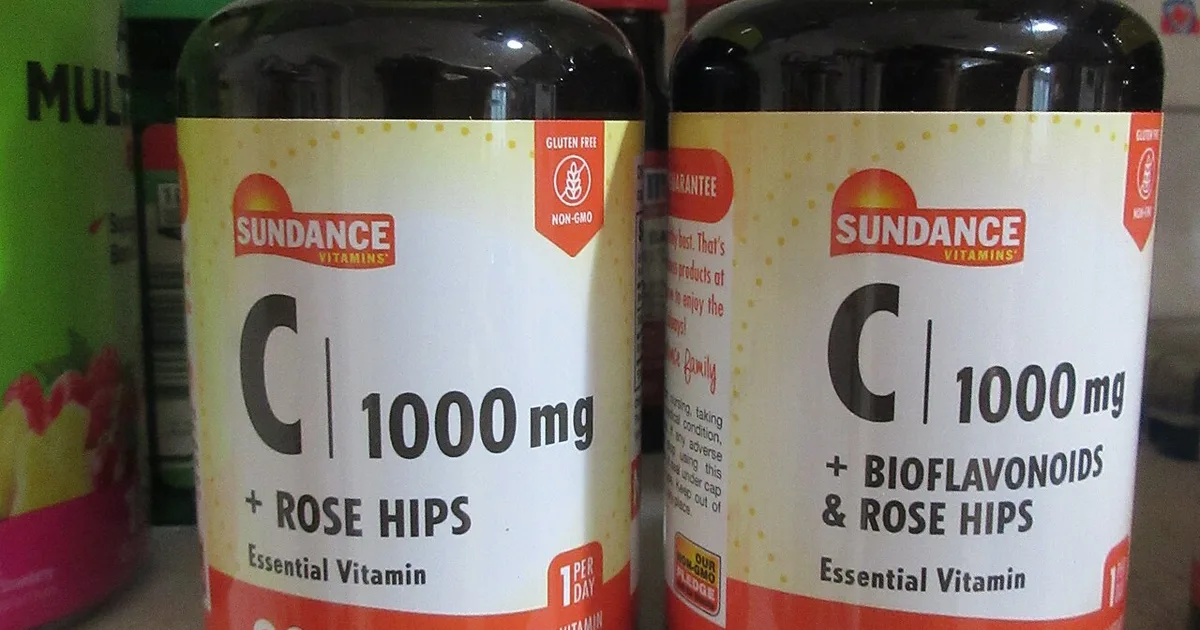
Health supplements class action lawsuits in Hawaii target companies that make false claims about vitamins, protein powders, weight loss products, and joint supplements. These cases typically arise when manufacturers misrepresent ingredients, health benefits, or fail to disclose potential side effects to consumers across the Hawaiian Islands.
Hawaii residents who purchased supplements based on misleading marketing claims may be entitled to compensation through class action settlements. Common issues include products that don't contain advertised ingredients, supplements that make unsubstantiated weight loss or muscle-building claims, and companies that fail to warn about dangerous side effects.
These lawsuits often involve major supplement brands sold at retailers throughout Hawaii, including Walmart, CVS, GNC, and local health stores. Affected products range from protein powders and pre-workout supplements to joint support formulas and weight loss pills that failed to deliver promised results or contained undisclosed ingredients.
Hawaii Law on Health Supplements Cases
Hawaii's Unfair or Deceptive Acts or Practices (UDAP) law, codified under Hawaii Revised Statutes Chapter 480, provides strong consumer protection against misleading supplement marketing. This statute allows Hawaii residents to recover damages when supplement companies engage in deceptive advertising, false labeling, or fail to disclose material facts about their products.
Under Hawaii's consumer protection framework, supplement manufacturers must ensure their marketing claims are substantiated and not misleading to reasonable consumers. The state's UDAP law covers false representations about ingredients, health benefits, clinical studies, and product efficacy that influence purchasing decisions.
Hawaii follows a two-year statute of limitations for consumer protection claims, meaning residents must typically file lawsuits within two years of discovering the deceptive practice. However, class action settlements often extend eligibility periods, allowing consumers who purchased products several years ago to still recover compensation. Hawaii's consumer protection law also permits recovery of attorney fees and costs, making it financially viable for attorneys to pursue supplement fraud cases on behalf of Hawaiian consumers.
What we can verify about Hawaii Health Supplements settlements
We removed a list we could not stand behind. This page used to name specific supplements settlements with years and dollar amounts. Checking five of them found only one correct, so rather than repeat the rest we took them down.
Here is the part that actually answers the question. Class actions are almost always federal or multi-state. A settlement that covers Hawaii residents nearly always covers residents of every other state as well, and living in Hawaii rarely decides whether you can claim. What decides it is whether you bought the product, held the account, used the service or received the notice, during the class period the court approved.
Where Hawaii can matter is at the edges: a handful of settlements are limited to one state because the claim rests on that state’s own consumer statute, and a few pay residents of some states more than others. Those restrictions are always stated on the official claim form, and we list them per settlement rather than per state.
For settlements that are genuinely open right now, each one checked against the court-appointed administrator, see our list of open settlements or our guide to settlements with no proof of purchase. If you want to know which have actually cleared final approval and are paying, we track that in which settlements are paying out now.
Are Hawaii Residents Eligible?
Hawaii residents who purchased qualifying health supplements within the specified class period typically qualify for compensation, regardless of whether they experienced adverse effects or kept receipts. Most settlements accept proof of purchase through credit card statements, store loyalty cards, or sworn affidavits for smaller claims.
Eligibility usually requires purchasing products within Hawaii or while residing in Hawaii during the class period. Some settlements exclude healthcare professionals who purchased supplements for resale or business purposes rather than personal use.
Hawaii's two-year statute of limitations applies to individual claims, but class action settlements often extend eligibility to purchases made 3-5 years before filing. Residents who previously submitted claims in related settlements may be excluded from certain cases. Military personnel stationed in Hawaii during the class period typically qualify as Hawaiian residents for settlement purposes.
How Hawaii Residents File Claims
Hawaii residents can file health supplement class action claims by submitting required documentation before court-imposed deadlines. Most settlements require proof of purchase, personal information, and details about which products were purchased during the specified time period.
Class Action Buddy streamlines the filing process for Hawaiian residents by auto-filling settlement forms in just 60 seconds. The platform helps Hawaii consumers identify eligible settlements, gather required documentation, and submit claims electronically without missing critical deadlines.
Hawaiian residents should file claims even without receipts, as many settlements accept alternative proof like credit card statements or affidavits. Settlement websites typically provide claim forms, but Class Action Buddy simplifies the process by pre-populating forms with case details and guiding users through Hawaii-specific requirements. Most supplement settlements don't require proof of injury or medical records, making claims accessible to all qualified purchasers across the Hawaiian Islands.
Frequently Asked Questions
Do Hawaii residents need receipts to file supplement class action claims?
Most settlements accept alternative proof like credit card statements, bank records, or sworn affidavits when original receipts aren't available.
How long do Hawaii residents have to file supplement class action claims?
Deadlines vary by settlement but typically range from 60-120 days after court approval, regardless of Hawaii's general statute of limitations.
Can Hawaii military personnel stationed elsewhere during purchases still qualify?
Military members stationed in Hawaii during the class period typically qualify, but those stationed elsewhere while Hawaii residents may need to check specific settlement terms.
What compensation do Hawaii residents typically receive from supplement settlements?
Payouts vary widely from $5-50 per product without proof of purchase, up to $200+ with receipts, depending on the settlement terms and number of claimants.
Are Hawaii residents who bought supplements online from mainland companies eligible?
Yes, Hawaiian residents who purchased qualifying products online during the class period typically qualify regardless of where the company is located.
Hawaii residents affected by misleading health supplement marketing shouldn't miss opportunities to recover compensation through class action settlements. These cases provide important accountability for companies that make false claims about vitamins, protein powders, weight loss products, and joint supplements sold throughout the Hawaiian Islands.
Class Action Buddy makes filing supplement claims simple for Hawaii residents, auto-filling forms in 60 seconds and ensuring no settlement deadlines are missed. Don't let supplement companies profit from deceptive marketing—file your claims today.