Health Supplements Class Action Lawsuits in North Carolina
Last updated April 30, 2026 · By Class Action Buddy
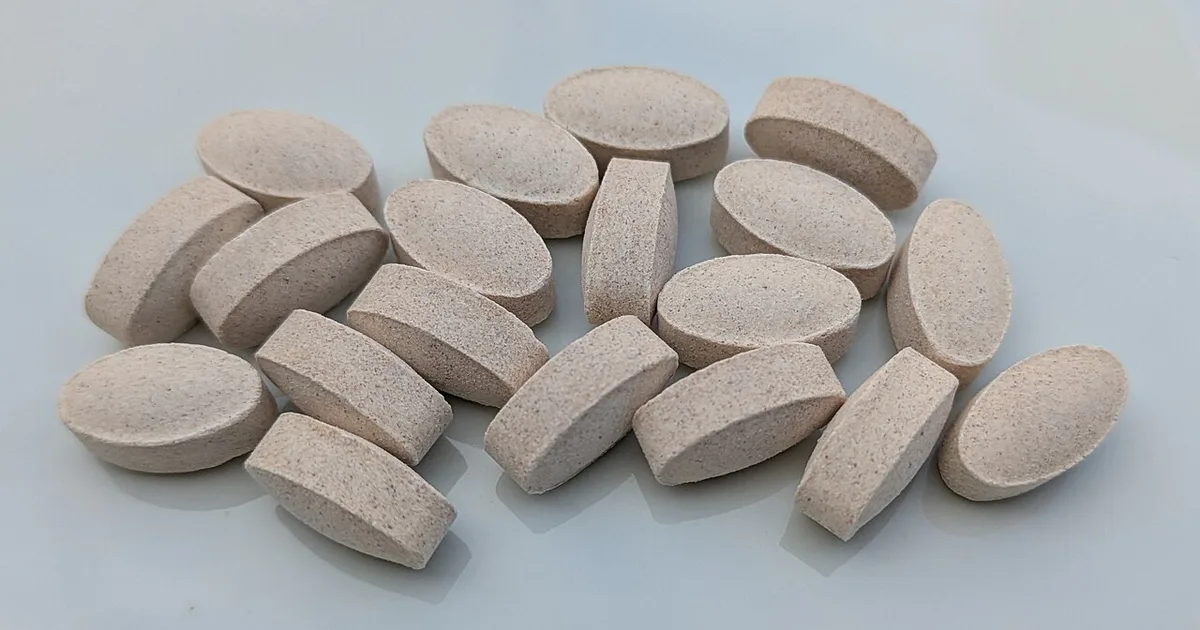
Health supplements class action lawsuits have become increasingly common across North Carolina as consumers challenge misleading marketing claims, contaminated products, and false labeling practices. These cases typically involve popular supplements including vitamins, protein powders, joint support formulas, and weight loss products that fail to deliver promised benefits or contain undisclosed ingredients.
North Carolina residents have been affected by numerous national supplement class actions targeting major retailers and manufacturers. Common allegations include deceptive advertising about product efficacy, failure to disclose side effects, and contamination with harmful substances. These lawsuits often result from FDA warnings, independent lab testing, or consumer complaints about adverse reactions.
The supplement industry's minimal regulatory oversight creates opportunities for companies to make unsubstantiated health claims. When products contain banned substances, fail purity tests, or cause unexpected side effects, affected consumers may be entitled to compensation through class action settlements covering refunds, medical expenses, and other damages.
North Carolina Law on Health Supplements Cases
North Carolina's Unfair and Deceptive Trade Practices Act (UDTPA), found in Chapter 75 of the North Carolina General Statutes, provides strong consumer protection against supplement companies engaging in deceptive marketing practices. The UDTPA allows consumers to recover actual damages, and in cases involving willful violations, courts may award treble damages plus attorney fees.
Under North Carolina law, supplement manufacturers and retailers cannot make false or misleading claims about product benefits, ingredients, or safety. The UDTPA covers various deceptive practices including false advertising about weight loss results, unsubstantiated joint pain relief claims, and failure to disclose potential side effects or ingredient contamination.
The statute of limitations for UDTPA claims is generally three years from when the deceptive practice occurred or when the consumer discovered the harm. For ongoing supplement purchases, this timeline may reset with each transaction. North Carolina courts have been particularly receptive to consumer claims involving health products, recognizing the special trust consumers place in supplement safety and efficacy representations.
What we can verify about North Carolina Health Supplements settlements
We removed a list we could not stand behind. This page used to name specific health supplements settlements with years and dollar amounts. Checking five of them found only one correct, so rather than repeat the rest we took them down.
Here is the part that actually answers the question. Class actions are almost always federal or multi-state. A settlement that covers North Carolina residents nearly always covers residents of every other state as well, and living in North Carolina rarely decides whether you can claim. What decides it is whether you bought the product, held the account, used the service or received the notice, during the class period the court approved.
Where North Carolina can matter is at the edges: a handful of settlements are limited to one state because the claim rests on that state’s own consumer statute, and a few pay residents of some states more than others. Those restrictions are always stated on the official claim form, and we list them per settlement rather than per state.
For settlements that are genuinely open right now, each one checked against the court-appointed administrator, see our list of open settlements or our guide to settlements with no proof of purchase. If you want to know which have actually cleared final approval and are paying, we track that in which settlements are paying out now.
Are North Carolina Residents Eligible?
North Carolina residents who purchased qualifying supplements during specified class periods may be eligible for compensation if they suffered financial harm from deceptive marketing or defective products. Eligibility typically requires proof of purchase through receipts, credit card statements, or store loyalty program records, though some settlements accept sworn declarations for small purchases.
The North Carolina UDTPA's three-year statute of limitations generally applies, meaning consumers must file claims within three years of discovering the deceptive practice. For ongoing supplement purchases, each transaction may restart this timeline. Residents who suffered physical harm from contaminated or mislabeled supplements may have additional claims beyond the class action timeframe.
Most settlements include both North Carolina purchasers and nationwide consumers, but state-specific damages may apply under the UDTPA. Residents typically cannot participate if they previously settled individual claims against the same company for identical issues or if they're employees of the defendant company.
How North Carolina Residents File Claims
North Carolina residents can file health supplement class action claims by submitting required documentation before court-imposed deadlines. Most settlements require proof of purchase, personal information, and details about which products were purchased during the class period. Acceptable documentation includes receipts, credit card statements, bank records, or store loyalty program purchase history.
Class Action Buddy streamlines this process by auto-filling claim forms in just 60 seconds. The platform helps North Carolina consumers identify eligible purchases, gather required documentation, and submit complete claims before deadlines expire. This automated approach eliminates the tedious manual form completion that often discourages consumers from claiming their rightful compensation.
Many supplement settlements offer different compensation tiers based on purchase amounts and available documentation. North Carolina residents with receipts typically receive higher payments than those submitting sworn declarations. Claims must be submitted during specified periods, often 60-120 days after court approval, making timely filing essential for North Carolina consumers seeking compensation.
Frequently Asked Questions
Do I need receipts to file a supplement class action claim in North Carolina?
While receipts provide the strongest proof and typically result in higher compensation, many settlements accept credit card statements, bank records, or sworn declarations for smaller amounts under North Carolina consumer protection law.
How long do North Carolina residents have to file supplement class action claims?
Claim deadlines are set by individual court orders, typically 60-120 days after settlement approval. However, the underlying North Carolina UDTPA statute of limitations is three years from discovery of the deceptive practice.
Can North Carolina residents join supplement class actions if they bought products online?
Yes, online purchases from retailers shipping to North Carolina typically qualify. Digital receipts, email confirmations, and credit card statements serve as valid proof of purchase under most settlement terms.
What compensation can North Carolina supplement class action members expect?
Compensation varies by settlement but may include full refunds, partial reimbursements, or fixed amounts per product. North Carolina's UDTPA allows for actual damages and potentially treble damages in cases of willful violations.
Are North Carolina residents covered if they purchased supplements from national retailers?
Yes, most supplement class actions include nationwide classes covering North Carolina residents who purchased from major national retailers, regardless of where the retailer is headquartered.
North Carolina residents affected by deceptive supplement marketing deserve compensation under the state's strong consumer protection laws. With numerous ongoing and future settlements, staying informed about eligible claims is essential for recovering losses from vitamins, protein powders, joint supplements, and weight loss products that failed to meet their promises.
Class Action Buddy makes claiming supplement settlements effortless for North Carolina consumers by automatically completing forms in 60 seconds. Don't let complex paperwork prevent you from recovering compensation you're entitled to under North Carolina law.
