Privacy Class Action Lawsuits in Texas
Last updated April 30, 2026 · By Class Action Buddy
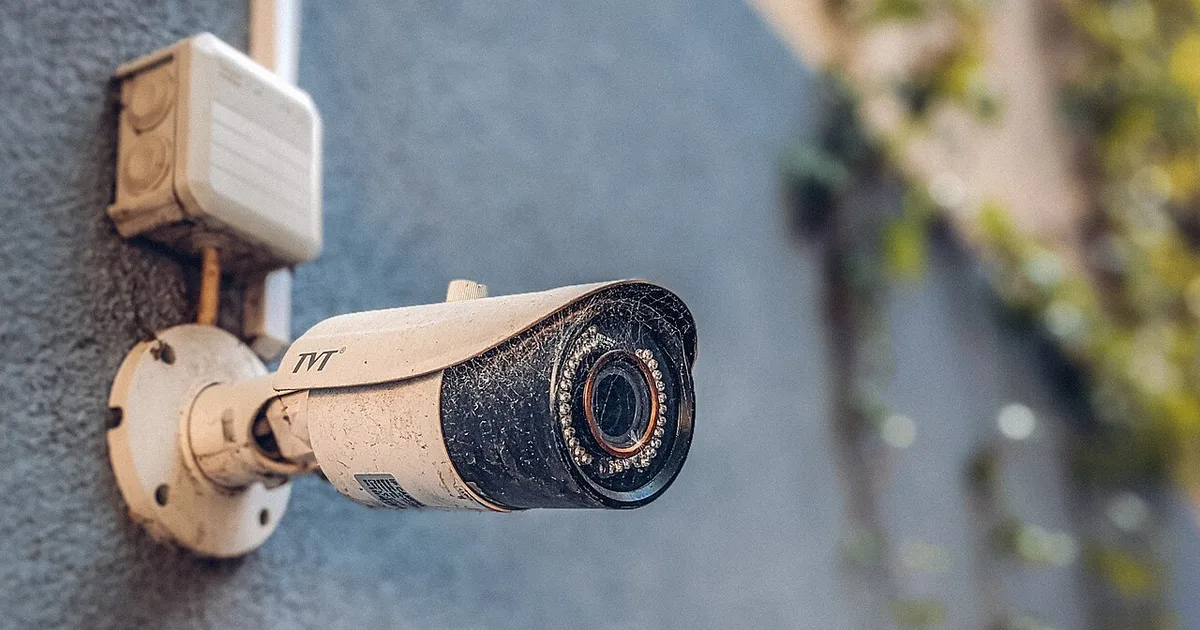
Privacy class action lawsuits in Texas protect residents from unauthorized collection, storage, and misuse of personal information by companies. These cases typically arise when businesses violate state and federal privacy laws by collecting biometric data without consent, recording phone calls illegally, or sharing video viewing records without authorization.
Texas residents are frequently affected by privacy violations involving biometric information like fingerprints and facial recognition data, especially in workplace settings and retail environments. Companies may also face lawsuits for wiretapping violations during customer service calls or for sharing streaming video data in violation of the Video Privacy Protection Act (VPPA).
Common defendants include major retailers requiring fingerprint scans for employee time clocks, social media platforms using facial recognition technology, and streaming services that improperly share viewing habits with third parties. While Texas doesn't have its own biometric privacy statute like Illinois' BIPA, residents can still pursue privacy claims under federal laws and the state's consumer protection framework when their personal information is mishandled.
Texas Law on Privacy Cases
Texas privacy law operates primarily through the Deceptive Trade Practices-Consumer Protection Act (DTPA), which prohibits false, misleading, or deceptive business practices that harm consumers. The DTPA provides a two-year statute of limitations for most privacy-related claims and allows for actual damages, attorney fees, and court costs in successful cases.
Unlike Illinois' Biometric Information Privacy Act (BIPA) or California's Consumer Privacy Act (CCPA), Texas has not enacted comprehensive biometric or general privacy legislation. However, Texas residents can pursue privacy claims under federal statutes like the Video Privacy Protection Act, Telephone Consumer Protection Act, and various wiretapping laws that provide private rights of action.
The Texas Identity Theft Enforcement and Protection Act offers additional protections against unauthorized use of personal identifying information. Class action plaintiffs in Texas must demonstrate concrete harm or statutory violations to establish standing, and the state's business-friendly legal environment can present challenges for some privacy claims. The DTPA's "consumer" definition requires that individuals seek or acquire goods or services, which may limit some privacy claims against employers or non-commercial entities.
What we can verify about Texas Privacy settlements
We removed a list we could not stand behind. This page used to name specific privacy settlements with years and dollar amounts. Checking five of them found only one correct, so rather than repeat the rest we took them down.
Here is the part that actually answers the question. Class actions are almost always federal or multi-state. A settlement that covers Texas residents nearly always covers residents of every other state as well, and living in Texas rarely decides whether you can claim. What decides it is whether you bought the product, held the account, used the service or received the notice, during the class period the court approved.
Where Texas can matter is at the edges: a handful of settlements are limited to one state because the claim rests on that state’s own consumer statute, and a few pay residents of some states more than others. Those restrictions are always stated on the official claim form, and we list them per settlement rather than per state.
For settlements that are genuinely open right now, each one checked against the court-appointed administrator, see our list of open settlements or our guide to settlements with no proof of purchase. If you want to know which have actually cleared final approval and are paying, we track that in which settlements are paying out now.
Are Texas Residents Eligible?
Texas residents may qualify for privacy class action settlements if they used affected services, had their biometric data collected, or experienced unauthorized recording of communications within the applicable time period. Unlike states with specific biometric laws, Texas residents typically must show actual harm or rely on federal privacy statute violations.
Eligibility often depends on residency during the class period and use of the defendant's services or products. For biometric privacy cases, plaintiffs usually must have had fingerprints, facial scans, or other biometric identifiers collected without proper consent. Wiretapping claims may require evidence of recorded calls or intercepted communications.
The two-year statute of limitations under Texas law can limit eligibility for older privacy violations. However, federal privacy statutes may have different limitation periods. Some settlements include nationwide classes that encompass Texas residents, while others may be limited to residents of states with specific privacy laws like Illinois or California.
How Texas Residents File Claims
Texas residents can join privacy class action lawsuits by filing claims through settlement websites or contacting class action attorneys who specialize in privacy law. Most privacy settlements require proof of residency and use of the defendant's services during specified time periods, along with documentation showing biometric data collection or other privacy violations.
Class Action Buddy simplifies the filing process by auto-filling settlement claim forms in just 60 seconds. The platform helps Texas residents quickly submit required information like names, addresses, and details about their use of services involved in privacy violations. This streamlined approach eliminates the time-consuming process of manually completing lengthy settlement forms.
When filing privacy claims, Texas residents should gather evidence such as account records, employment documentation showing biometric scanning, or proof of video streaming service usage. Some settlements require detailed information about specific privacy violations experienced, while others only need basic confirmation of service usage during the class period. Acting quickly is important since many privacy settlements have strict filing deadlines.
Frequently Asked Questions
Do Texas residents have the same biometric privacy rights as Illinois residents?
No, Texas has not enacted a comprehensive biometric privacy law like Illinois' BIPA. However, Texas residents can still pursue privacy claims under federal statutes and may be included in nationwide class action settlements involving biometric data violations.
What is the statute of limitations for privacy claims in Texas?
Texas generally applies a two-year statute of limitations for privacy-related claims under the DTPA. However, federal privacy statutes may have different limitation periods, and the discovery rule may extend deadlines in some cases.
Can Texas employees sue employers for collecting fingerprints without consent?
Texas employees may have limited options since the state lacks specific biometric privacy legislation. However, they might pursue claims under federal laws or the DTPA if the employer's practices constitute deceptive trade practices affecting consumers.
Are Texas residents eligible for CCPA-related class actions?
Generally no, since the CCPA primarily protects California residents. However, Texas residents may be included in broader privacy settlements involving companies that violated multiple state or federal privacy laws.
What damages are available in Texas privacy class actions?
Under the DTPA, successful privacy claims may recover actual damages, attorney fees, and court costs. Federal privacy statutes often provide statutory damages ranging from hundreds to thousands of dollars per violation, depending on the specific law involved.
Privacy class action lawsuits provide important protections for Texas residents against unauthorized data collection and misuse of personal information. While Texas lacks comprehensive privacy legislation like other states, residents can still pursue meaningful recovery through federal privacy laws and consumer protection statutes. These cases continue to evolve as technology advances and companies collect increasing amounts of personal data. Class Action Buddy makes it simple for Texas residents to participate in privacy settlements by auto-filling claim forms in 60 seconds, ensuring you don't miss opportunities to recover compensation for privacy violations affecting your personal information.