Overcharged Beef Settlement: North Carolina Resident Guide
Last updated April 30, 2026 · By Class Action Buddy
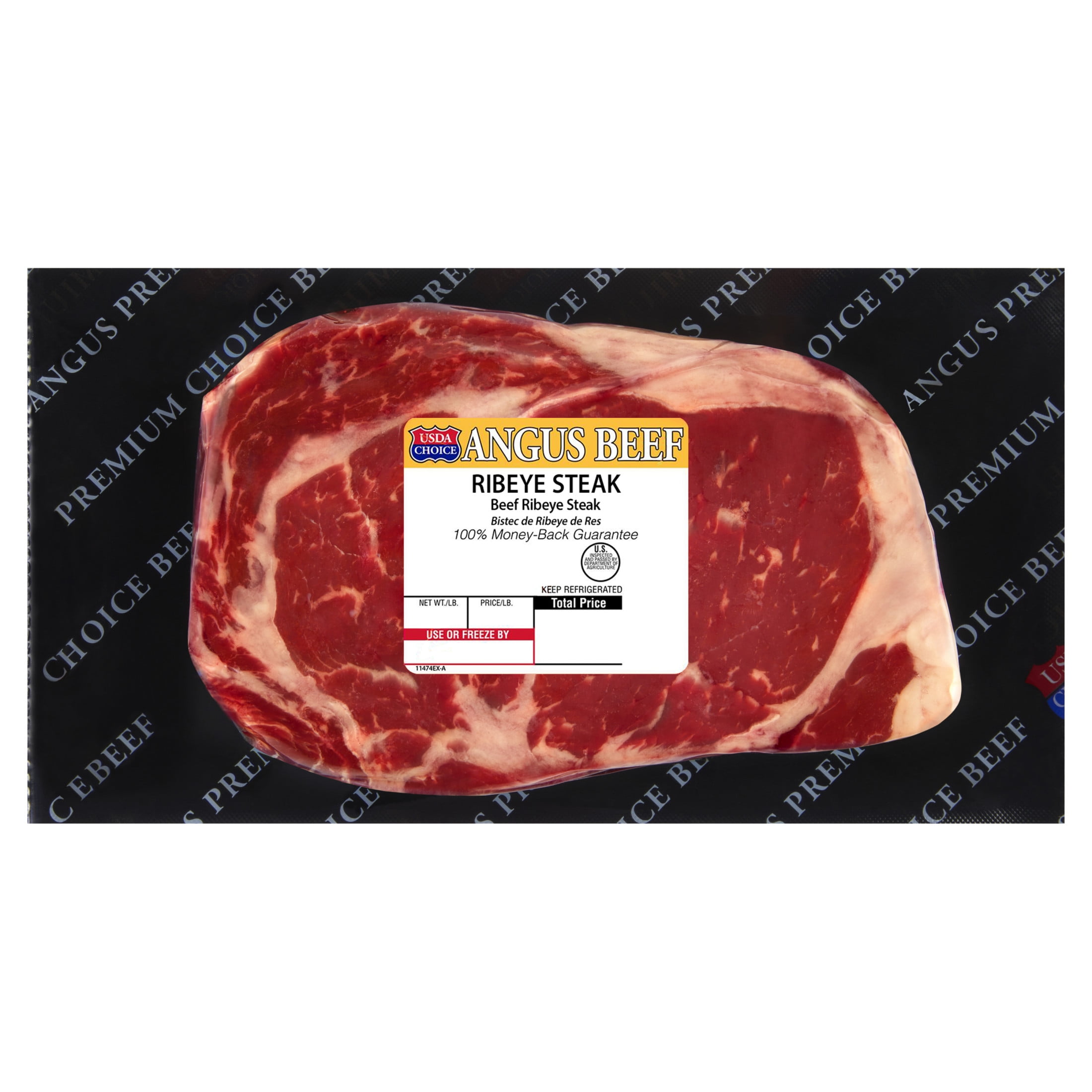
The Overcharged Beef Settlement provides compensation to consumers who purchased beef products and may have paid inflated prices due to alleged anti-competitive practices by major beef processors. This class action lawsuit claims that leading companies in the beef industry conspired to manipulate prices, resulting in consumers paying more than they should have for beef products between specific dates.
North Carolina residents are among those eligible to participate in this settlement, which covers 27 states plus Washington D.C. The settlement recognizes that consumers across these jurisdictions suffered financial harm from allegedly coordinated price-fixing schemes that artificially inflated beef costs at grocery stores, restaurants, and other retail outlets.
With a maximum payout of $200 per eligible claimant and a filing deadline of June 30, 2026, North Carolina consumers have a significant opportunity to recover money they may have overpaid for beef products. The settlement offers a streamlined claims process with modern payment options, making it accessible for residents throughout the Tar Heel State to seek compensation for their losses.
Are North Carolina Residents Eligible?
Yes, North Carolina residents are explicitly eligible for the Overcharged Beef Settlement. The settlement covers 27 states plus Washington D.C., and North Carolina is specifically included in this list of eligible jurisdictions. This means that individuals, families, and businesses located in North Carolina who purchased qualifying beef products during the relevant time period can file claims for compensation.
To qualify, North Carolina residents must have purchased beef products for personal or household consumption during the class period specified in the settlement agreement. This typically includes purchases made at grocery stores, supermarkets, and other retail establishments throughout North Carolina. Both direct purchases and indirect purchases through restaurants or food service establishments may qualify, depending on the specific terms outlined in the settlement.
The settlement does not require North Carolina residents to provide extensive documentation or receipts for their beef purchases. Most claims can be filed based on reasonable estimates of beef consumption during the relevant time period. However, claimants must have been North Carolina residents during the time they made their beef purchases and must certify that their claim information is accurate to the best of their knowledge.
North Carolina Payout and Tax Notes
North Carolina residents approved for compensation will receive payment exclusively through Venmo, reflecting the settlement's modern approach to distributing funds. Payments will be processed after the final approval of the settlement and the completion of the claims review process, which typically occurs several months after the filing deadline of June 30, 2026.
The maximum payout amount is $200 per eligible claimant, though actual payment amounts may vary based on the total number of valid claims submitted and the specific circumstances of each claimant's purchases. The settlement administrator will calculate pro-rata distributions if the total claims exceed the available settlement fund.
Regarding North Carolina state taxes, recipients should consult with tax professionals about potential reporting requirements. Generally, class action settlements may be considered taxable income depending on the nature of the underlying claims and individual circumstances, though tax treatment can vary based on specific facts and current state tax laws.
How North Carolina Residents File This Claim
Filing a claim for the Overcharged Beef Settlement from North Carolina is straightforward and can be completed entirely online. The official settlement website provides a digital claims form that North Carolina residents can access 24/7 from anywhere with internet connectivity. The form requires basic personal information, North Carolina address details, and estimates of beef purchases during the relevant time period.
Class Action Buddy offers an innovative solution that can auto-fill settlement forms in approximately 60 seconds, significantly reducing the time and effort required for North Carolina residents to complete their claims. This service helps ensure that all required fields are properly completed and that claims meet the technical requirements for submission.
North Carolina residents should gather any available information about their beef purchases, though detailed receipts are not typically required. The claims process generally accepts reasonable good-faith estimates based on household size, dietary habits, and typical grocery shopping patterns. Claims must be submitted before the June 30, 2026 deadline, and North Carolina residents are encouraged to file early to avoid last-minute technical issues or deadline complications.
North Carolina-Specific Notes
North Carolina residents should be aware that settlement payments received through Venmo may have state tax implications depending on current North Carolina Department of Revenue guidelines. Recipients should maintain records of their settlement payments and consult with qualified tax professionals regarding potential reporting requirements under North Carolina state tax law.
For North Carolina residents who prefer traditional mail correspondence, any official settlement communications should be sent to addresses within North Carolina where claimants can reliably receive mail before the June 30, 2026 deadline. Rural North Carolina residents should ensure their mailing addresses are clearly specified to avoid delivery delays.
The settlement falls under federal court jurisdiction, but North Carolina residents benefit from the state's consumer protection framework, which may provide additional context for understanding their rights under this settlement agreement.
North Carolina Consumer Protection Resources
Beyond this specific settlement, North Carolina residents are protected by the North Carolina Unfair and Deceptive Trade Practices Act, a state law that prohibits unfair and deceptive business practices. If a company has misled or overcharged you, you can report it to the North Carolina Attorney General, which can investigate complaints and, in some cases, secure refunds or penalties on behalf of consumers.
Filing a class action claim and filing a state complaint are separate, and you can do both. A settlement pays you your share of a national fund for a specific product or practice, while your state regulator polices ongoing conduct that affects North Carolina consumers more broadly.
More for North Carolina residents: browse class action settlements open to North Carolina residents, or see our full directory of currently-open settlements.
Frequently Asked Questions
What can North Carolina residents do if this settlement is closed or they missed the deadline?
If a settlement's filing deadline has passed, you can't submit a new claim for it — but North Carolina residents still have options. Browse our directory of currently-open settlements to find ones you can file today, and report ongoing unfair or deceptive business practices to the North Carolina Attorney General. New settlements open every week; Class Action Buddy tracks them and alerts you when one matches your purchase history, then auto-fills the claim form for you to review and submit.
Can North Carolina residents file claims without receipts for beef purchases?
Yes, North Carolina residents can typically file claims based on reasonable good-faith estimates of their beef purchases during the class period, without requiring detailed receipts or documentation.
Is the $200 maximum payout guaranteed for all North Carolina claimants?
No, the $200 represents the maximum possible payout. Actual payments may be less depending on the total number of valid claims submitted and will be distributed on a pro-rata basis if necessary.
Do North Carolina residents need to pay taxes on settlement payments?
Tax treatment varies by individual circumstances. North Carolina residents should consult tax professionals about potential state and federal tax implications of settlement payments received through Venmo.
Can North Carolina businesses file claims for beef purchases?
This depends on the specific settlement terms. Businesses should review the settlement agreement carefully to determine if commercial purchases qualify or if the settlement is limited to consumer purchases only.
What happens if a North Carolina resident misses the June 30, 2026 deadline?
Claims submitted after the deadline are typically not accepted. North Carolina residents should file their claims well before June 30, 2026, to ensure timely submission and avoid missing this compensation opportunity.
North Carolina residents have a valuable opportunity to recover money through the Overcharged Beef Settlement, with payments up to $200 available through a convenient Venmo-based distribution system. The straightforward claims process and generous filing deadline of June 30, 2026, provide ample time for Tar Heel State consumers to participate in this significant settlement.
Don't let this opportunity pass by. North Carolina's inclusion in this 27-state settlement reflects the widespread impact of alleged beef price-fixing on consumers throughout the state. File your claim today to ensure you receive the compensation you deserve for overpaying on beef products.