False Advertising Class Action Settlements for Cat Owners
Last updated April 30, 2026 · By Class Action Buddy
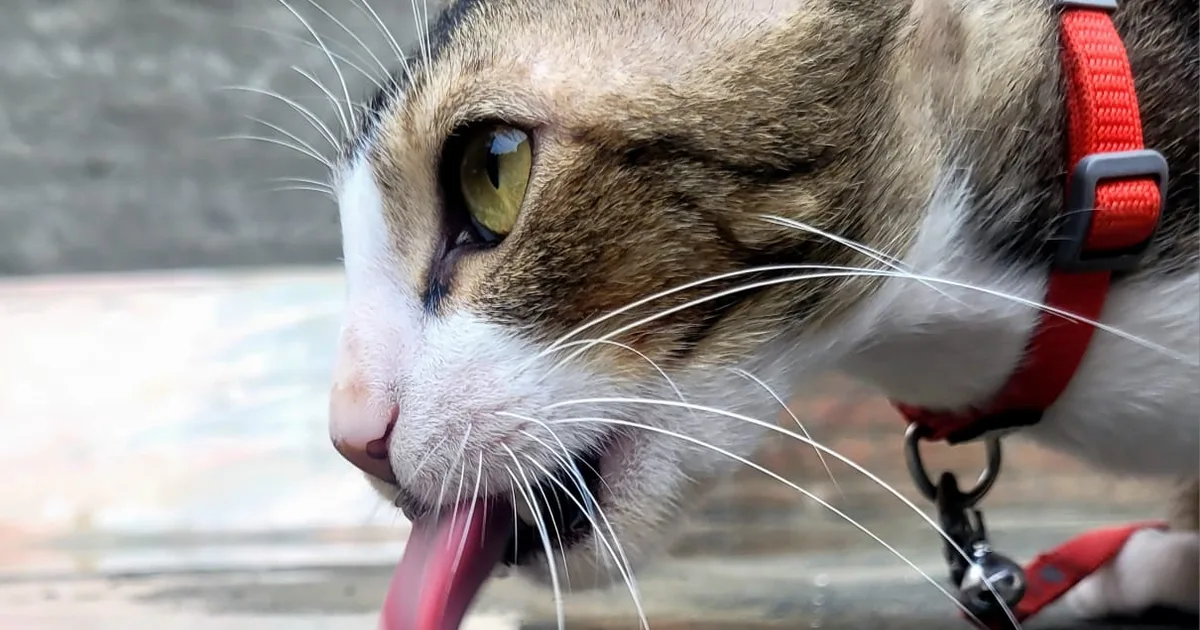
Cat owners spend billions annually on pet food, litter, toys, and health products, trusting that advertising claims are truthful. Unfortunately, many companies make false or misleading statements about their cat products, leading to expensive class action lawsuits and substantial settlements for deceived consumers.
False advertising class actions have resulted in millions of dollars in compensation for cat owners who purchased products based on deceptive marketing. From cat food labeled as "natural" containing artificial ingredients to litter marketed as "100% dust-free" that clearly produces dust, these cases directly impact your wallet and your cat's wellbeing.
Recent settlements have included major pet food manufacturers paying $6.5 million for falsely advertising grain-free diets and litter companies settling for $3.2 million over biodegradability claims. As a cat owner, you may be entitled to cash payments, product vouchers, or refunds from these settlements without even knowing it. Understanding these opportunities can help you recover money you're already owed.
Why False Advertising Cases Affect Cat Owners
Cat owners are particularly vulnerable to false advertising because they prioritize their pets' health and are willing to pay premium prices for products marketed as superior, natural, or beneficial. Companies exploit this emotional connection by making unsubstantiated health claims, using misleading "natural" labels, or exaggerating product effectiveness.
The pet industry generates over $50 billion annually, with cat products representing a significant portion. When manufacturers make false claims about nutritional benefits, ingredient quality, or product safety, they're not just violating advertising laws – they're betraying the trust of devoted cat parents who rely on accurate information to make the best choices for their pets.
False advertising settlements specifically target these deceptive practices, allowing cat owners to recover funds while holding companies accountable for misleading marketing that affects both their finances and their cats' wellbeing.
Notable False Advertising Settlements
Purina Beneful Class Action (2018) — $6.5 million settlement Cat and dog owners who purchased Beneful products received up to $900 for alleged false "natural" ingredient claims.
Fresh Step Litter Settlement (2019) — $3.2 million settlement Purchasers of Fresh Step "biodegradable" litter received $15-45 per qualifying purchase for misleading environmental claims.
Blue Buffalo False Advertising (2016) — $32 million settlement Pet owners received up to $120 for cat and dog food falsely advertised as containing no chicken or poultry by-products.
Fancy Feast Gourmet Claims (2020) — $1.8 million settlement Cat owners who bought Fancy Feast "gourmet" products received $2-8 per purchase for allegedly misleading quality claims.
World's Best Cat Litter (2017) — $2.1 million settlement Customers received refunds for litter marketed as "99% dust-free" that allegedly produced significant dust.
Hill's Prescription Diet Settlement (2021) — $8.1 million settlement Cat owners received up to $175 for prescription cat food allegedly lacking promised nutritional benefits.
Eligibility for Cat Owners
Most false advertising settlements require proof of purchase, typically through receipts, credit card statements, or loyalty card records. Cat owners who purchased specific products within designated time periods – usually 2-6 years before the lawsuit filing – are generally eligible for compensation.
Eligibility often depends on where and when you purchased the product. Some settlements are limited to specific states or retailers, while others are nationwide. The key requirement is demonstrating you bought the falsely advertised cat product during the class period and relied on the misleading claims.
Even without receipts, many settlements allow sworn statements about your purchases, though compensation may be limited. Pet store loyalty programs and automatic delivery services often provide excellent purchase documentation that maximizes your settlement recovery.
How to File
Filing false advertising claims requires submitting detailed forms with purchase information, including dates, retailers, and product details. Most settlements have strict deadlines – typically 60-120 days after court approval – making prompt action essential for cat owners seeking compensation.
Class Action Buddy simplifies this process by automatically filling out settlement forms in just 60 seconds. Instead of manually researching deadlines, gathering documentation, and completing lengthy paperwork, cat owners can quickly submit multiple claims through our streamlined platform.
The platform tracks active settlements, sends deadline reminders, and pre-populates forms with your information, ensuring you never miss opportunities for compensation. Many cat owners are simultaneously eligible for multiple settlements across different product categories – food, litter, toys, and health products – making automated filing especially valuable.
Manual filing often results in missed deadlines or incomplete submissions that reduce compensation. Class Action Buddy maximizes your recovery while minimizing time investment, allowing you to focus on your cat rather than paperwork.
Frequently Asked Questions
How much can cat owners typically receive from false advertising settlements?
Payments range from $2-15 per product for smaller cases to $50-900 for major settlements, depending on purchase frequency and settlement size. Multiple product purchases during class periods significantly increase compensation.
Do I need receipts to claim compensation for falsely advertised cat products?
While receipts maximize payments, many settlements accept sworn statements about purchases. Pet store loyalty cards, subscription services, and credit card statements also serve as valid proof of purchase.
How long do cat owners have to file false advertising claims?
Claim deadlines typically range from 60-120 days after court approval. Missing deadlines means forfeiting compensation, making prompt filing essential for recovery.
Can I file claims for cat products I bought years ago?
Yes, if purchases occurred during the class period specified in each settlement. Class periods often span 2-6 years before lawsuit filing, potentially covering older purchases.
Will filing false advertising claims affect my ability to purchase these cat products in the future?
No, filing claims doesn't restrict future purchases or affect your relationship with retailers or manufacturers. Settlements are designed to compensate past harm without ongoing consequences.
False advertising settlements offer cat owners valuable opportunities to recover money spent on deceptively marketed products while holding companies accountable for misleading claims. With millions available in active settlements, prompt filing is essential for maximizing compensation.
Class Action Buddy eliminates the complexity of manually tracking deadlines and completing forms, automatically filing claims in 60 seconds. Don't let strict deadlines cost you compensation you've already earned through your cat product purchases. Start recovering your money today with Class Action Buddy's automated settlement filing system.

Related guides
Hand-picked from our settlement library to give you the full picture.